Top Rice News: Shortage Of Rice Millers, Rising Rivalry And Nepal’s Fallen Output
Top rice news today covers how Paddy procurement in Karnal district has been facing difficulties due to the shortage of rice millers. Second, Thailand’s jasmine rice exports are witnessing rising competition as cheaper Cambodian fragrant rice gains traction in China. Subsequently, Nepal’s rice production decline by 250,350 metric tonnes in the financial year 2025-26, raising concerns about the country’s agricultural productivity and rice self-sufficiency.
Shortage of Rice Millers Disturbs Paddy Procurement in Karnal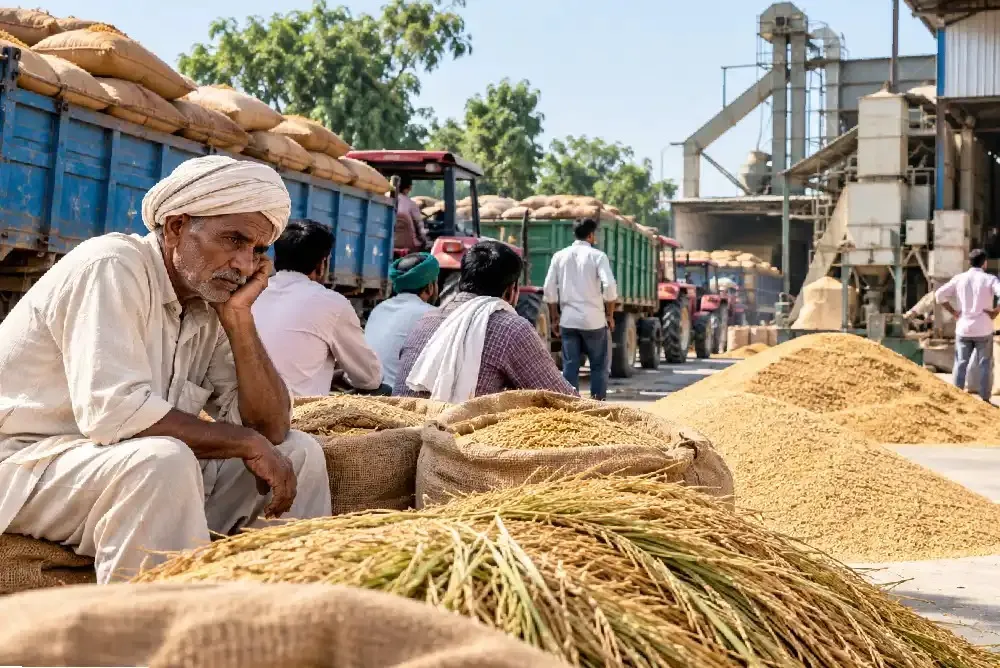
Paddy procurement in Karnal district, Haryana, is witnessing significant challenges this season as the shortage of rice millers participating in the custom-milled rice process. Several millers are ineligible to join the current procurement cycle because of pending deliveries from the previous season, police action related alleged ghost procurement, and a lengthy registration process. The shortage of rice millers is creating a hindrance in procurement operations. It delays the movement and processing of paddy arriving at government procurement centres. Notably, the situation highlights the dependence of the procurement system on millers, who play a vital role in converting procured paddy into rice for government distribution. Moreover, pending obligations from last year and concerns related to the alleged irregularities have further complicated participation. Paddy Procurement operations in Karnal could face continued disruptions unless Unless these issues are resolved. Since they are impacting farmers and the timely handling of the ongoing harvest.
Thai Jasmine Rice Suffers Growing Competition from Cambodia and the US
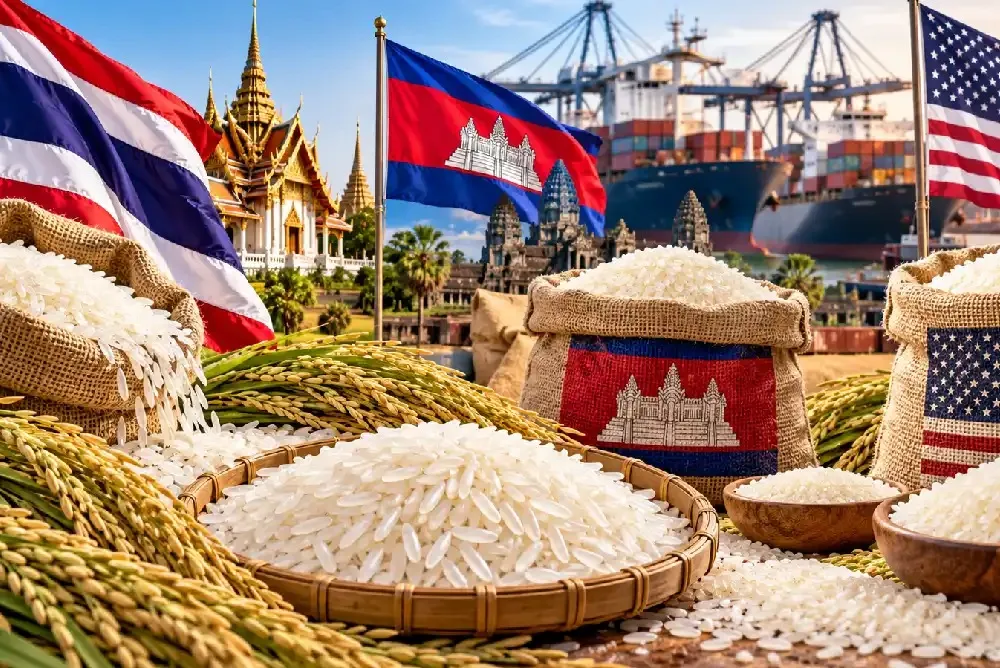
Thailand’s jasmine rice exports are witnessing growing competition as cheaper Cambodian fragrant rice gains popularity in China. Cambodian rice is priced at approximately US$820 per tonne, which is below Thai jasmine rice at US$1,150 per tonne. It gives Cambodian rice exporters a substantial price advantage. Thailand exported only 16,000 tonnes of jasmine rice to China between January and August 2026, signalling the pressure on its position in the competitive Chinese market. At the same time. the United States is developing a new aromatic rice variety called Sallah. Its commercial availability expected in 2027. This American variety could introduce another competitor into the global fragrant rice market. These developments highlight the growing importance of pricing, product quality and market diversification in international rice trade. Thailand may need to boost its competitiveness through improved marketing, product differentiation and exploration of alternative export destinations to maintain its position in the premium aromatic rice segment.
Why Nepal’s Rice Production Drops by Over 250,000 Tonnes?
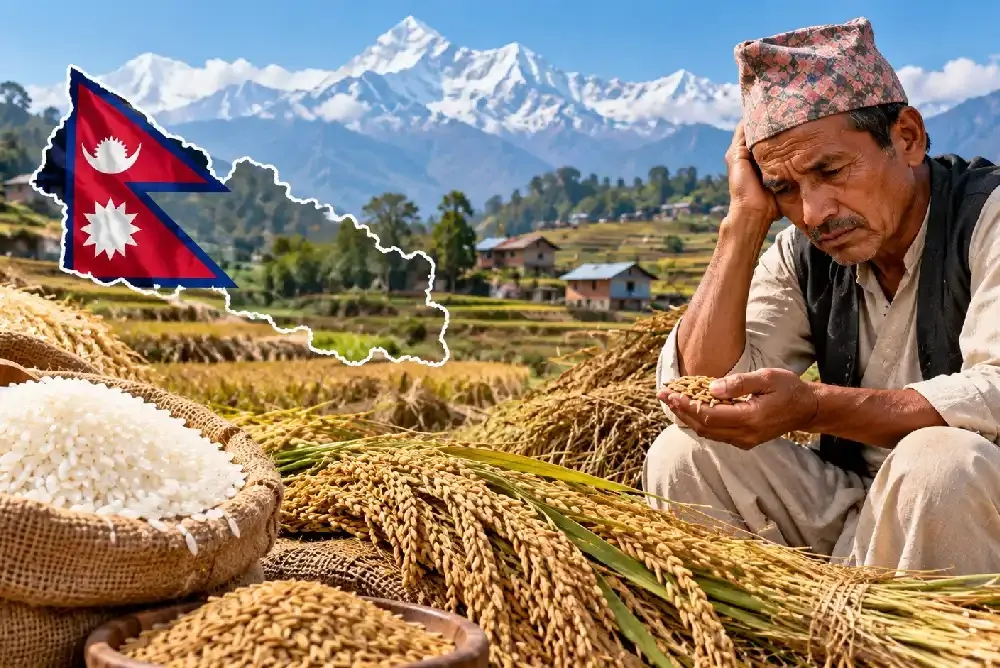
According to reports, Nepal’s rice production decrease by 250,350 metric tonnes in the financial year 2025-26. It raised concerns about the country’s agricultural productivity and rice self-sufficiency. Moreover, the reported figures illustrated that production fell to 5.71 million tonnes across 1.38 million hectares, compared with 5.96 million tonnes in the previous fiscal year. The reason behind this fall is reductions in cultivated area and productivity which highlightes persistent challenges in the country’s rice sector. In addition, researchers are working to develop high-yielding, climate-resilient rice varieties to help farmers. However, limited access to quality seeds and inadequate promotion are slowing progress. Significantly, boosting seed distribution networks, expanding farmer awareness programmes and encouraging the adoption of better agricultural practices could help reverse this trend. Hence. Improving domestic rice production remains essential for Nepal to strengthen food security, reduce reliance on imports and advance its goal of achieving rice self-sufficiency.
Share this article
Article Info
Read Time
3 min read
Published
12 Oct 2026
Author
Megha Bajaj
Category
Rice News