Top Rice News: India Rice Stocks, Prices And Climate Study
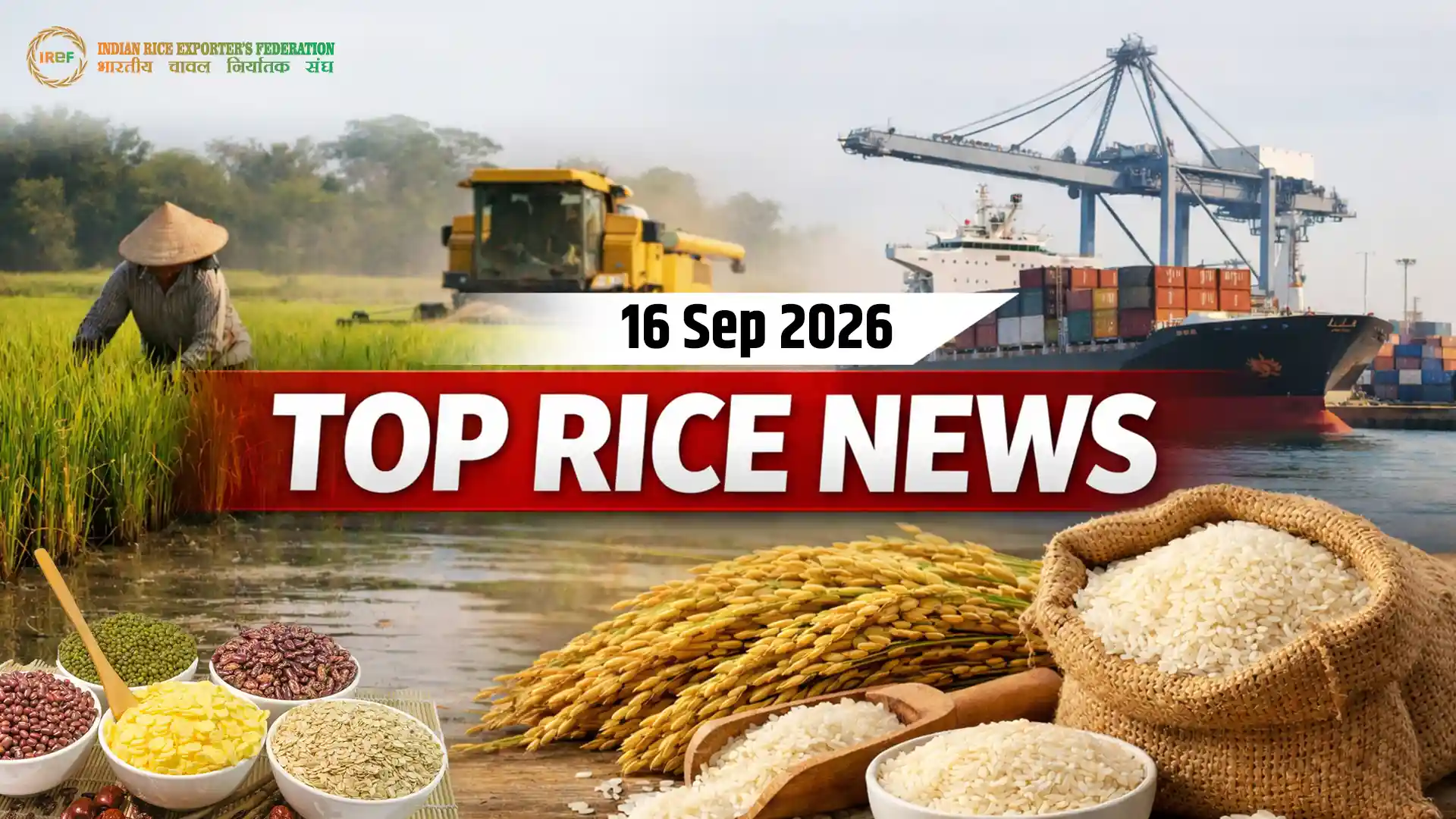
Top rice news today covers rice stories such has US has sought details from India at the WTO over government-held rice stocks used for ethanol. Another one is how rice prices are rising across Bengaluru and Karnataka amid poor rainfall, lower production and tight supplies. At the same time, Himachal Pradesh Agriculture University study finds direct-seeded rice can cut methane emissions by nearly 90%, while improving water productivity and soil health.
US Seeks Details on India’s Rice Stocks Used for Ethanol
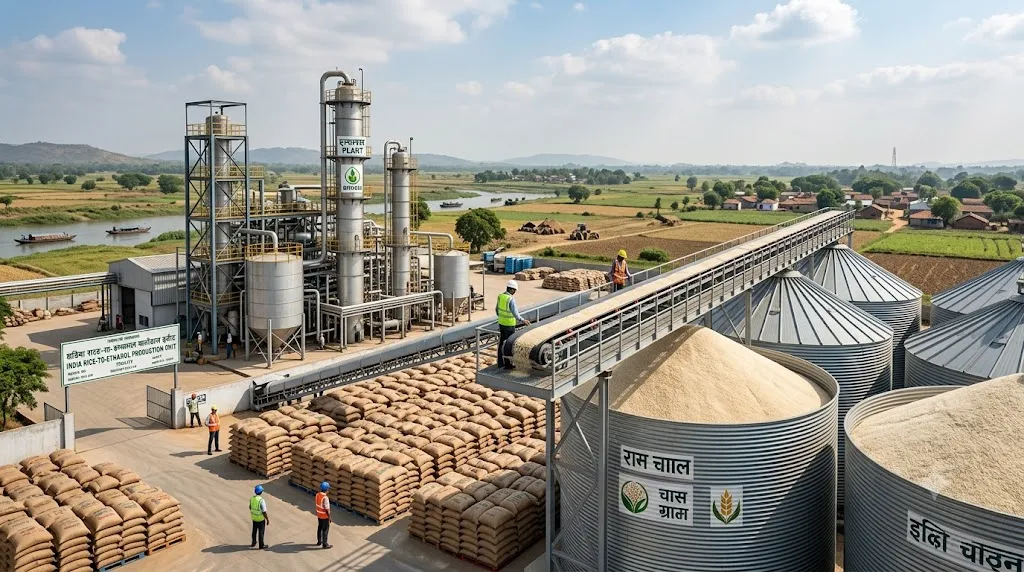
The United States has questioned India at the World Trade Organization (WTO) regarding its use of government-held rice stocks for ethanol production. Washington alleges that India’s minimum support price (MSP) policies have created surplus rice stocks that exceed domestic food security needs. According to the US, India has been selling Food Corporation of India (FCI) rice to ethanol manufacturers and private traders at prices significantly below its acquisition cost.
Moreover, the US has sought a detailed explanation from New Delhi on how these industrial allocations comply with WTO public stockholding rules, which are strictly meant for domestic food security rather than trade-distorting practices. Signficantly, the matter is set to be discussed at the upcoming WTO Committee on Agriculture meeting.
Why Are Rice Prices Are Increasing In Bengaluru And Karnataka?
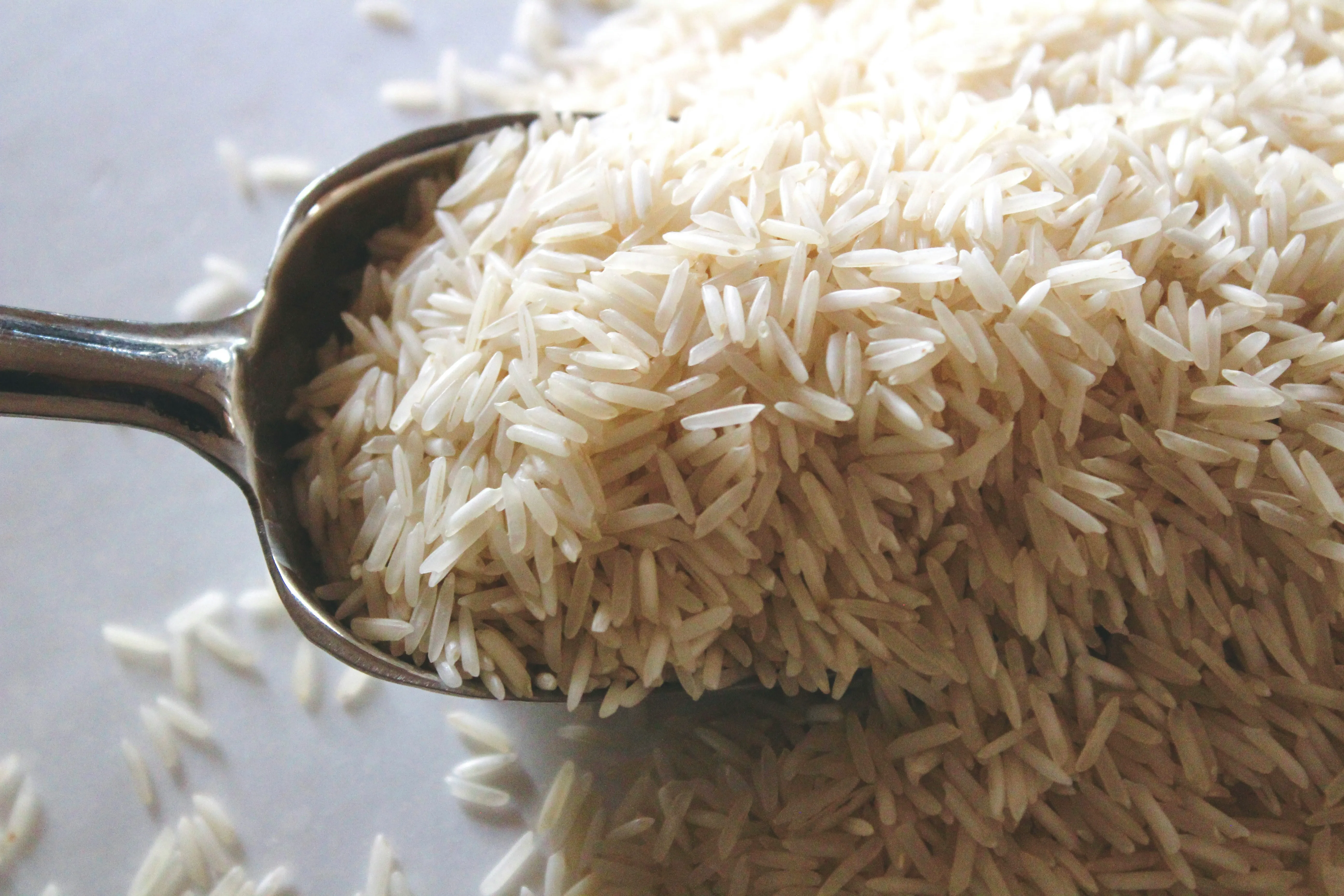
Rice prices have risen again across Bengaluru and Karnataka, marking the third increase in three months. Traders attribute this hike to poor rainfall, which has led to lower crop production, low water levels in reservoirs, and a shortage of raw paddy.
At the wholesale level, prices have jumped by about Rs 1,000 per quintal. In addition to this, ordinary rice bags are now costlier by nearly Rs 200, while premium rice bags cost up to Rs 300 more. Increased global demand and strong exports have further tightened domestic supplies. Retail consumers are already feeling the pinch, with price increases of up to Rs 40 per kg expected. Wholesale traders warn that prices could climb further in October if supply conditions do not improve, putting additional pressure on household budgets in the region.
Climate-smart rice method cuts methane emissions by nearly 90%
A multi-year study by Himachal Pradesh Agriculture University (HPAU), Palampur, has found that direct-seeded rice can sharply reduce methane emissions while improving water efficiency and soil health. Conducted across two major rice-growing regions of Himachal Pradesh, the study compared conventional transplanted rice with direct-seeded systems over multiple growing seasons.
The research found that direct-seeded rice reduced methane emissions by nearly 90 per cent compared with conventional transplanted cultivation. The SAVA-134 FullPage system recorded the highest water productivity and showed strong potential for carbon-credit generation. Not only this, but researchers also reported improvements in soil organic carbon, microbial activity and water-holding capacity, along with reduced soil compaction. The study was supported by Savannah Seeds. Researchers said direct-seeded rice could help farmers address water scarcity, labour shortages and climate-related challenges while maintaining strong yields.
Share this article
Article Info
Read Time
3 min read
Published
15 Sept 2026
Author
Megha Bajaj
Category
Rice News