Top Rice News: India’s Output, Nepal Transplants & Pak Exporters
Top rice news today covers how India’s rice output may drop, raising concerns over prices and exports, Nepal pushes rice mechanization and why Pakistani rice exporters face Indian tougher competition in Saudi Market
India’s Rice Output May Drop, Raising Concerns Over Prices and Exports
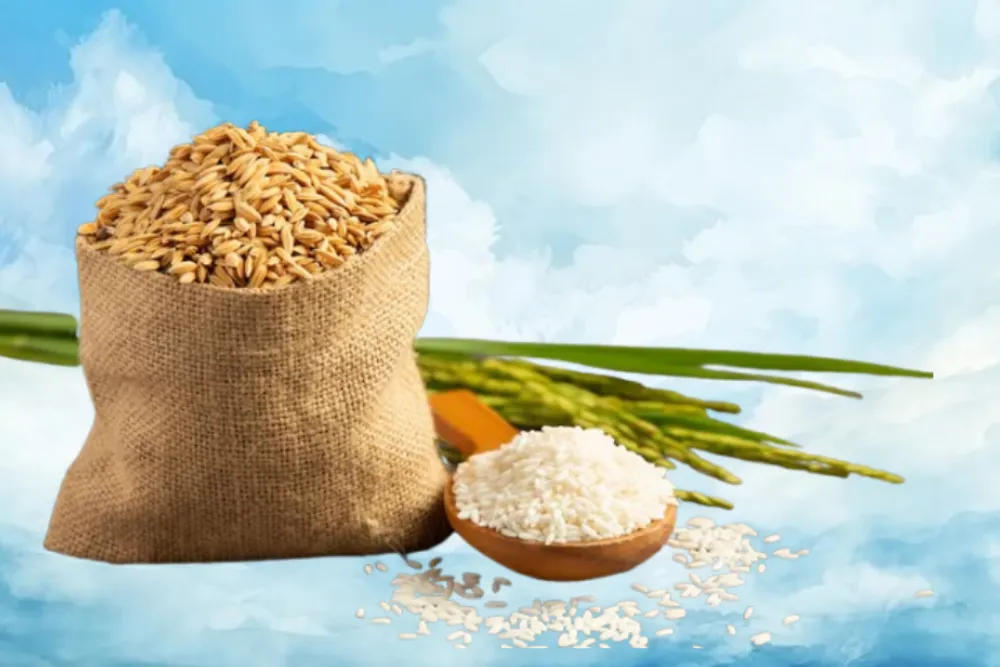
India’s rice production is witnessing a major decline due to below-normal monsoon rainfall, reduced acreage and lower reservoir levels. Moreover, production in 2026 could drop by nearly 10 million tonnes, or 6.5%, from last year’s record output which marks the sharpest decline in nearly two decades.
The weaker harvest is already putting pressure on domestic rice prices and export prices. But, India’s large government stockpile of nearly 60 million tonnes provides a buffer and could allow exports to continue despite lower production.
The impact could extend beyond rice. Higher prices for broken rice, widely used in poultry feed, could raise costs for eggs, chicken and dairy products. At the same time, weaker reservoir levels may impact winter rice planting, creating additional supply concerns in the upcoming months
Nepal Pushes Rice Mechanisation. But Why?
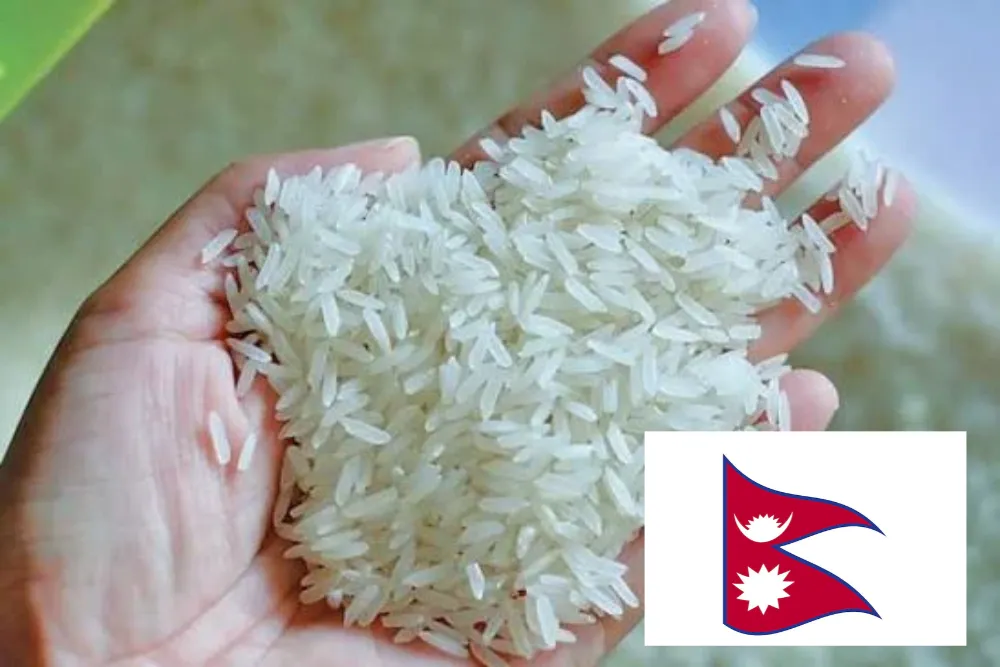
epal is seeking to shift from manual to mechanical rice transplantation to enhance productivity, reduce labour dependence and make rice farming more sustainable. Rice specialists from research, education and agricultural extension institutions highlighted the need for affordable mechanisation suited to Nepal’s farming conditions. The issue was discussed at a seminar organised by the KOPIA Nepal Centre at Khumaltar, where stakeholders worked on a roadmap for the proposed 2028–2030 KOPIA Nepal Rice Project.
The proposed approach aims to address challenges linked to labour shortages, rising cultivation costs and traditional farming practices. In addition, experts stressed that appropriate machinery, technical knowledge and stronger agricultural extension services will be essential for successful adoption. The initiative could help farmers improve planting efficiency, reduce production costs and increase rice yields. The push towards mechanisation is also expected to support Nepal’s broader efforts to boost domestic rice production and modernise its agricultural sector.
Pakistani Rice Exporters Face Indian Tougher Competition in Saudi Market
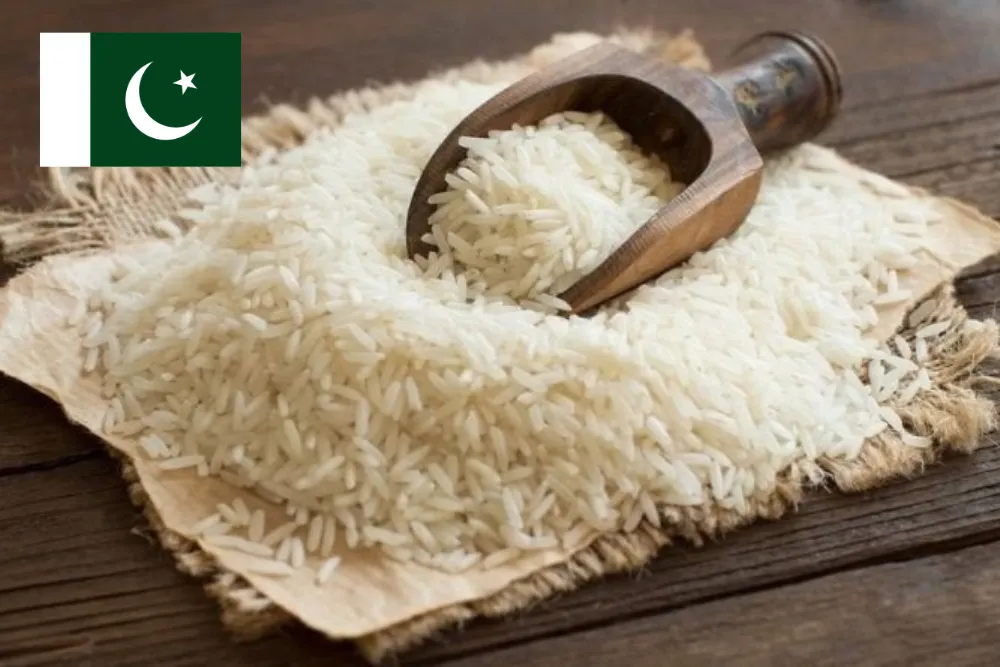
Pakistani food exporters are seeking to expand their presence in Saudi Arabia, but rice suppliers are facing tougher competition from cheaper Indian shipments. At the Saudi Food Show in Jeddah, 30 Pakistani companies participated, including 14 rice firms. While exporters reported strong interest from Saudi buyers, one Pakistani rice supplier said Indian competition prevented potential deals from materialising.
According to Waqar Rice Mills, Pakistani basmati rice was being offered at nearly $1,050 per metric tonne, including freight, compared with approximately $850 for comparable Indian rice. Reportedly, buyers cited faster delivery and attractive packaging from Indian suppliers. The pressure comes as Pakistan’s rice export earnings dropped nearly 50% to about $940 million in July–December 2025. Therefore, pakistani exporters are exploring opportunities in processed foods, beverages and other agricultural products to boost sales in Saudi Arabia and the wider Gulf market.
Share this article
Article Info
Read Time
3 min read
Published
1 Oct 2026
Author
Megha Bajaj
Category
Rice News