Top Rice News: India Exports Stagnant, NK’s Mass Rice Planting & Vietnam’s Low Emission Exports
Top rice news today highlights stagnation in India’s Rice Exports, mass rice planting drive in North Korea despite poor crop conditions and Vietnam’s low-emission rice exports to premium global markets.
India’s Rice Exports Rates Turned Stagnant As Market Faces Slow Demand
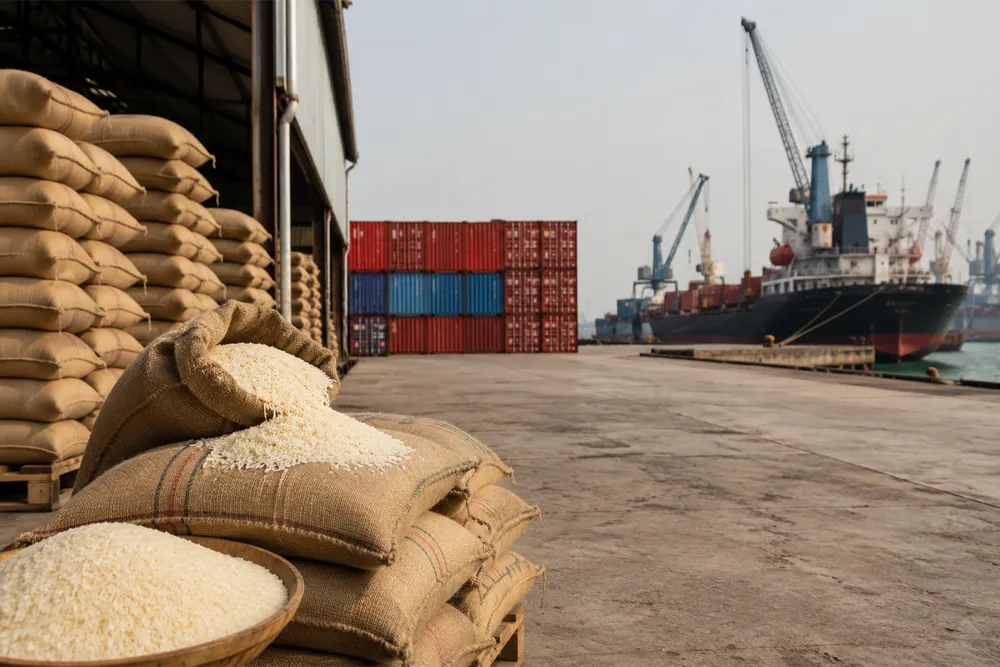
Indian rice export prices have remained stagnant this week. It is pressured by sluggish demand from buyers in Africa amid the rupee's depreciation to a record low. Moreover, India's 5% broken parboiled rice variety was quoted this week at $333-$340 per ton. No change observed from last week. Indian 5% broken white rice was priced at $335 to $340 per ton this week. A new Delhi-based trader said that Indian prices are the lowest among major rice-exporting countries, but export demand is still not picking up pace. The rupee dropped to an all-time low, pressured by stubbornly high oil prices and persistent portfolio outflows that have restricted the current and capital balances of Asia's third-largest economy. Vietnam's 5% broken rice was provided at $395-$400 per metric ton on Thursday, unchanged from a week ago. According to a trader based in Ho Chi Minh City. "Domestic supplies are getting thinner, but we are concerned about the Philippines' move to impose a ceiling price on imported rice". The Philippines remains Vietnam's major rice buyer, and any move it makes will have an effect," the trader added. At the same time, Thailand's 5% broken rice was quoted at $415 per ton on Thursday, rising from $404-$405 quoted last week. Furthermore, Traders stated that the price increase was led mainly due to millers holding back sales amid firmer domestic sentiment. Demand remains relatively quiet, with no major deals reported, although regular customers from Hong Kong and African markets continued to place small orders.
North Korea Escalates Mass Rice-Planting Drive Despite Poor Crop Conditions
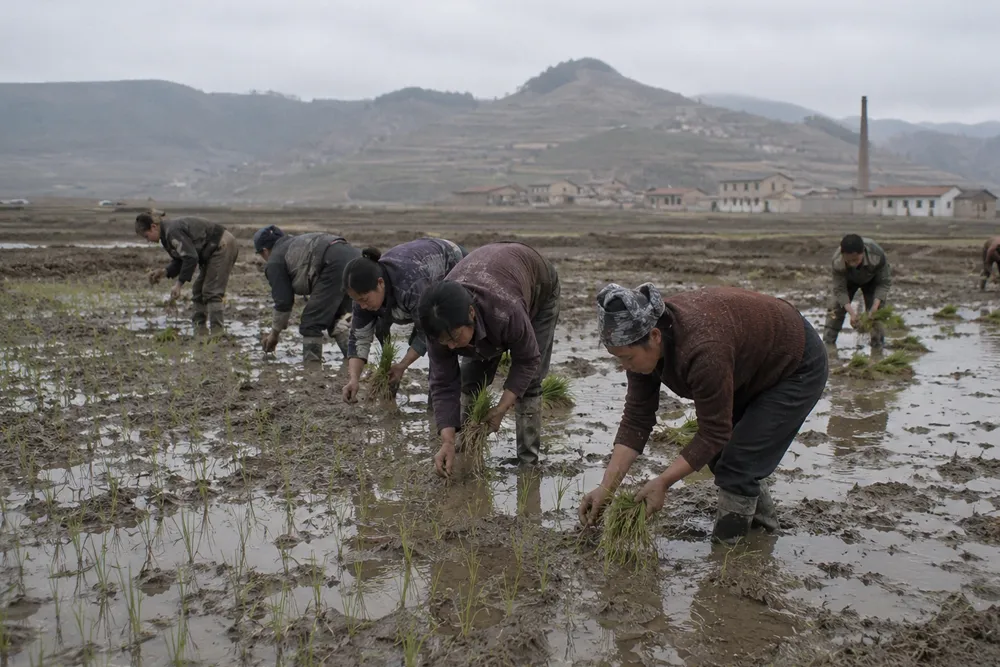
North Korea has directed a mass mobilisation for the rice transplanting season in North Pyongan province, even as some farms in the region have yet to begin planting. It is because of poor seedling conditions, which have been caused by spring drought and erratic temperatures. On Thursday, a Daily NK source in North Pyeongan province stated that mobilisation orders reached farms in Yomju county on May 7, instructing all available labour to report for agricultural work. Yet some farms have quietly pushed back their planting schedules since the seedlings have not grown adequately in their nursery beds. North Korea’s state media uses the term rice transplanting battle for this annual campaign, which typically runs from early to mid-May through early June. During this period, authorities deploy soldiers, workers, housewives, and students to farms in the country to compensate for chronic labour shortages. According to the sources, the disconnect between ground conditions and the mobilisation order is reflected. It comes down to the same thing every year: push people in first and somehow get the transplanting done within the deadline. Even on farms where planting hasn’t started due to the seedlings not being ready, people still have to show up and find something to do. Moreover, the source added that authorities preach the principle of planting at the right time for the right crop, whereas in practice, neglecting whether mobilised labour is actually needed or useful.
Vietnam Ramps Up Low-Emission Rice Exports To Premium Global Markets
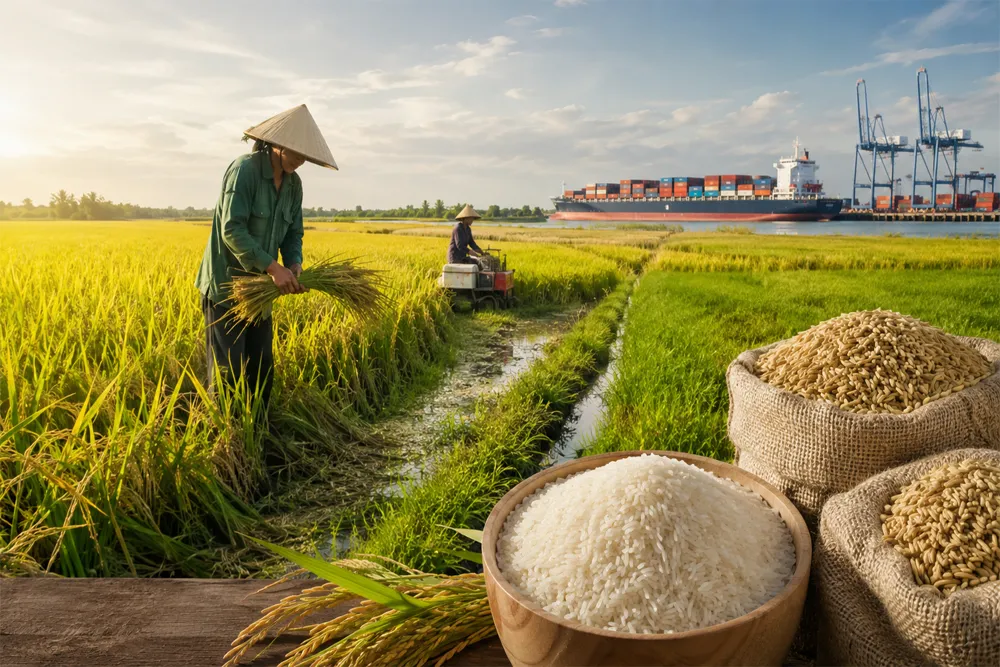
According to sources, Vietnam is significantly escalating its low-emission green rice exports to high-end international markets such as the EU, Australia, and Japan. Yielding premium prices, this shift is known as part of the country's strategic goal to elevate the global value of its agricultural sector. Nearly 70,000 tons of Mekong Delta rice have been certified under the low-emission green Vietnamese rice label. Apart from this, the Vietnamese government is actively pursuing a national 1 million Hectare sustainable cultivation project in the Mekong Delta. It aims to shift rice farming toward green growth and create an internationally recognised green and low-emission Vietnamese rice brand. There is no doubt in this fact that Vietnam is a major exporter of rice. It is one of the world’s top rice-exporting countries, alongside India and Thailand. Vietnam consistently supplies large volumes of rice to markets in Asia, Africa, and the Middle East.
Share this article
Article Info
Read Time
4 min read
Published
15 May 2026
Author
Megha Bajaj
Category
Rice News