Why Do Indian Rice Exporters Face a Fresh GMO Dispute with China?
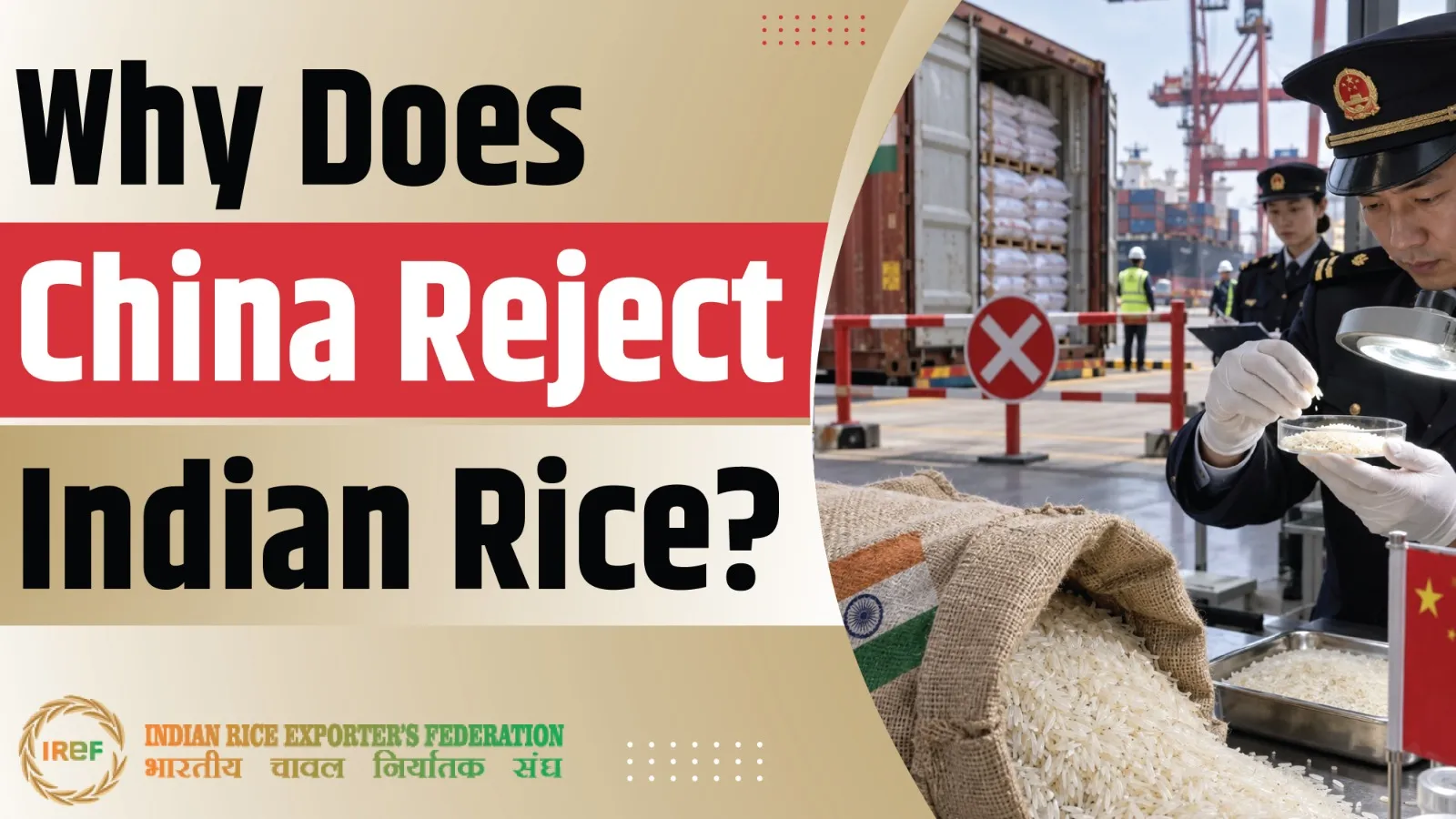
Indian rice exporters are facing fresh challenges after China revoked the registrations of three more exporters, citing the alleged presence of genetically modified organisms (GMOs) in their rice shipments. Moreover, the latest action reportedly takes the total number of affected Indian exporters to 10.
The development has raised concerns over rice exports from India, particularly shipments headed to the Chinese market. On the contrary, Indian exporters have challenged the findings, creating a dispute over whether the issue is related to food safety, testing standards or broader trade concerns.
Why are Indian rice exporters in trouble?
China has cited alleged GMO contamination in the affected rice consignments. But rice exporters quoted in recent reports claim that some rejected shipments were returned to India and tested again, with no GMO material reportedly detected.
As per exporters, some of these consignments were subsequently re-exported to other countries without similar problems being reported. These claims have not, by themselves, established that China's findings were incorrect, but they have added to questions related to the rice shipments to China. India does not commercially cultivate genetically modified rice, making the repeated allegations particularly significant for the country's agricultural export industry.
What Could It Mean for Rice Exports to China?
Rejected rice shipments can create substantial costs for exporters. Containers may need to be returned, redirected or resold, while transportation, testing and storage expenses can add to losses.
For rice exporters, prolonged uncertainty could make access to an important overseas market more difficult. If shipments are repeatedly rejected, exporters may need to find alternative destinations, potentially increasing logistical costs and reducing their bargaining power.
Therefore, the issue could have implications beyond individual companies. Besides this, farmers, processors, logistics providers, warehouses and other businesses connected to agricultural exports can all be impacted when international market access becomes uncertain.
A Bigger Challenge for Indian Agriculture
The controversy highlights a broader challenge facing Indian agricultural exports. Rice is only one part of the picture. Indian red chilli shipments have also faced increased scrutiny in overseas markets, whereas mango exports to Japan have witnessed regulatory hurdles too.
For India to increase its agricultural exports, producing large volumes is not enough. Not only this, but Exporters must meet international requirements involving testing, pesticide residues, pest control, traceability, packaging and certification. Better laboratories, treatment facilities and supply-chain tracking could help build greater confidence among international buyers. For now, the Indian rice exporters dispute with China remains a developing issue. China maintains its concerns over alleged GMO presence, whereas exporters are questioning those findings based on later tests. Undoubtedly, whatever the outcome, the episode underlines an significant reality: successful rice exports from India depend not only on production, but also on quality, consistency, compliance and international trust.
Share this article
Article Info
Read Time
3 min read
Published
18 Sept 2026
Author
Megha Bajaj
Category
News