Top Rice News: Freight Costs, Punjab’s Basmati And Bangladesh Prices
Top rice news today highlights regional rice exports fall 40% on year on year on daily basis amid rising freight costs, Punjab’s basmati production is projected to rise 10.69%, and rice prices in Bangladesh rise by up to Tk 3 per kilogram in which fine rice varieties such as Miniket and Nazirshail are getting more expensive.
How Are Rising Freight Costs Hitting Regional Rice Exports?
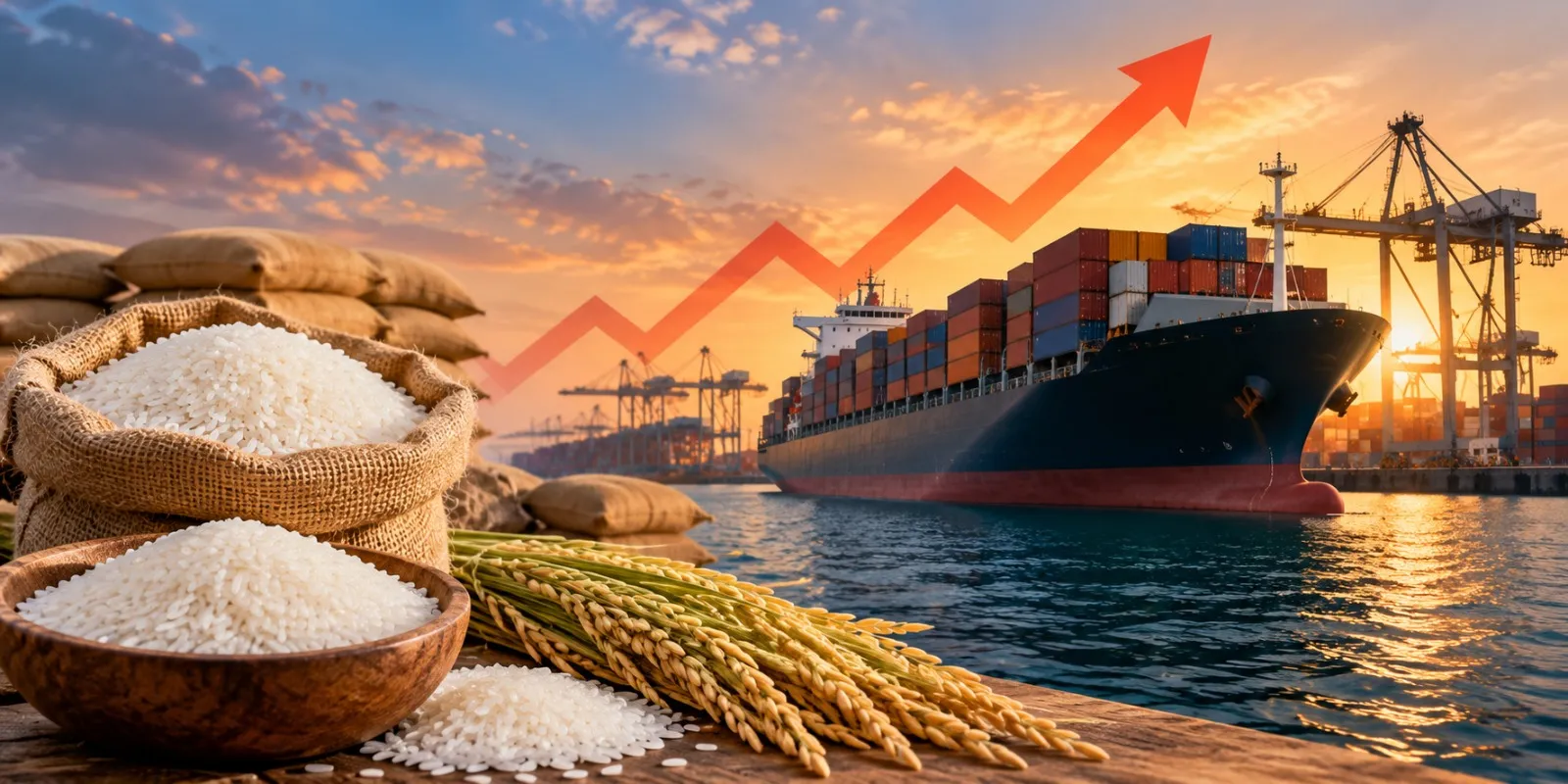
As per latest updates, regional rice exports have reduced by nearly 40% year-on-year. One of the main reasons behind this reduction is rising ocean freight charges and geopolitical tensions disturbing international trade. Moreover, shipping costs have surged by more than 50% which makes conventional container shipments financially unviable for several exporters, and smaller businesses. Not only this, but higher freight expenses are squeezing profit margins and making it difficult for rice exporters to offer competitive prices to international buyers. Besides this, bulk shipping provides an alternative, but it requires large consignments, limiting access for smaller traders. The pressure goes beyond rice, with exports of other commodities reportedly decreasing by 15–20%. These developments highlight the rising impact of logistics costs on agricultural trade. Now, Exporters face the challenge of maintaining overseas market access while managing rising transportation expenses. Freight rates, shipping availability and international demand will remain significate factors influencing regional rice exports in the up coming months.
Punjab’s Basmati Production Projected to Rise 10.69% to 29.61 LT. Here’s How?
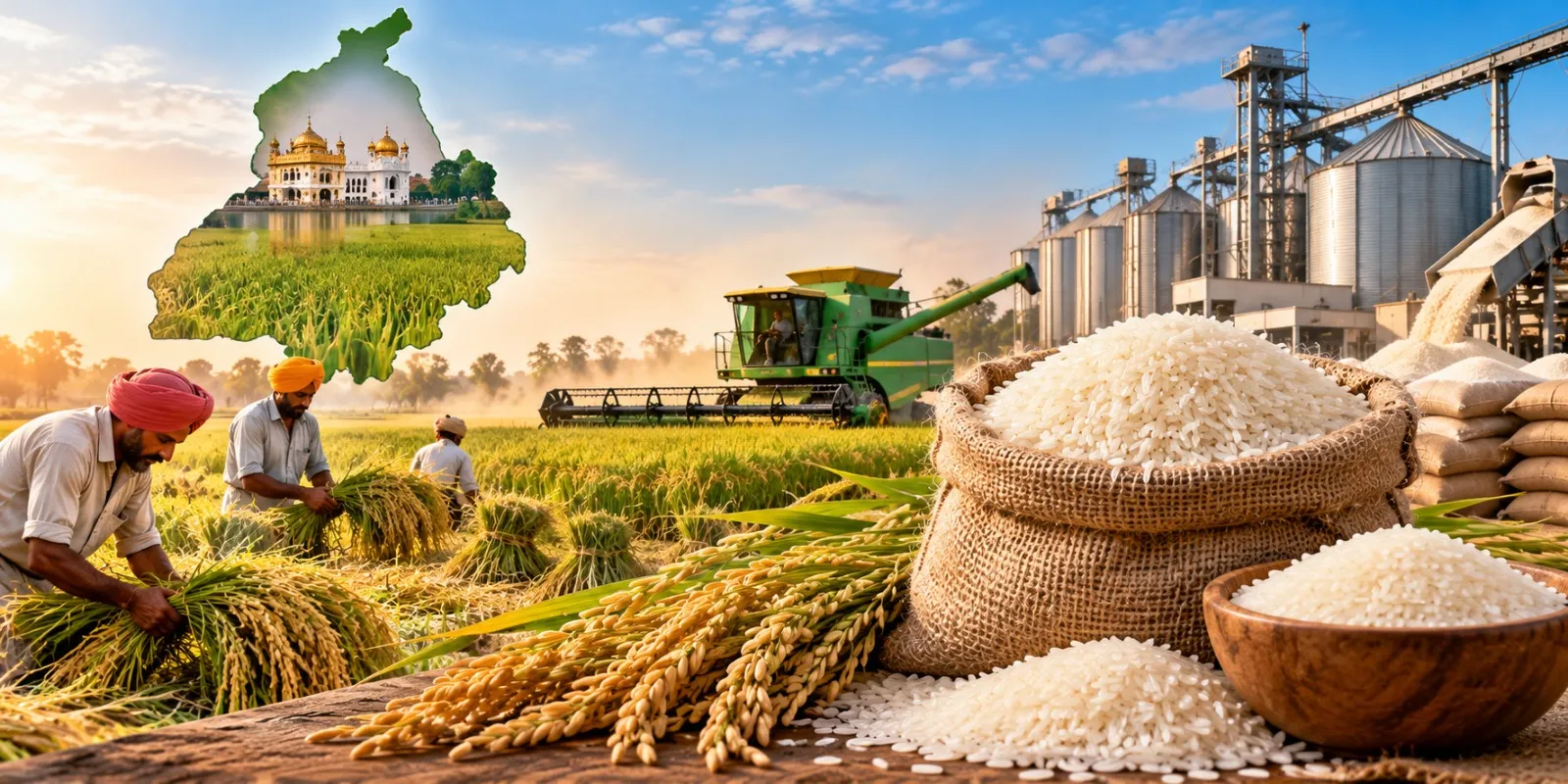
In the midst of fall in rice production, Punjab is projected to record a 10.69% increase in basmati rice production during the 2026 kharif season. It reaches 29.61 lakh metric tonnes. According to a recent report, the expected growth is supported by improved yields and expanded cultivation. Basmati acreage in the state has increased by 2.53% to 16.68 lakh acres. Moreover. the projected rise could boost supplies for rice millers, processors and exporters, It will create opportunities for farmers through improved production and strong export earnings. Notably, Punjab remains an important contributor to India’s basmati rice industry, which serves several international markets. However, the production also raises concerns about groundwater depletion. Rice cultivation places significant pressure on water resources which makes sustainable farming practices important. Actual procurement prices and overseas demand will assess how the projected production increase influences market conditions and export performance.
Why Are Rice Prices Rising In Bangladesh?
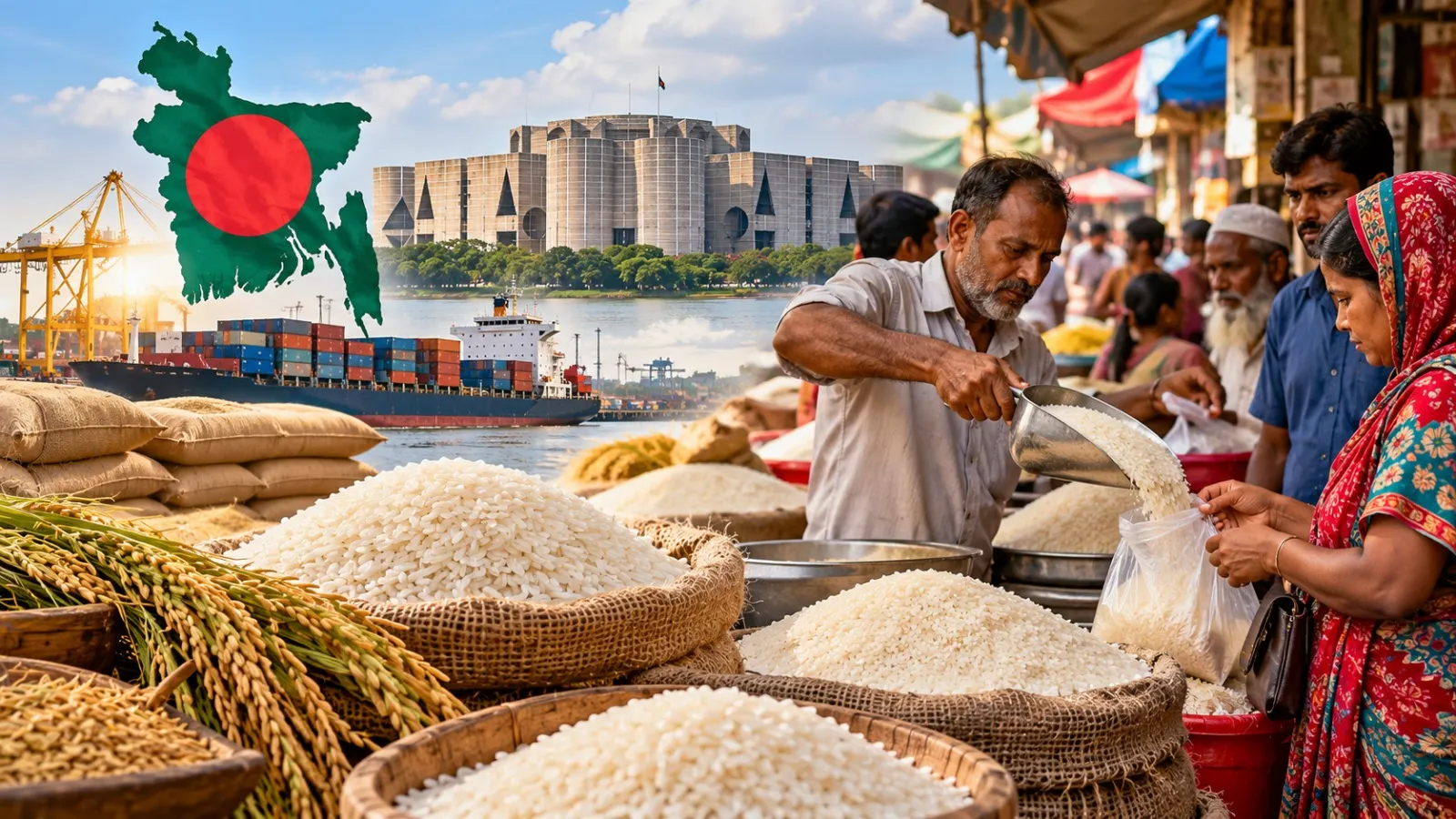
Rice prices in Dhaka have risen by Tk 1–3 per kilogram over the past week which puts additional pressure on consumers. The recently published report stated that the increase is related to rising paddy prices, higher mill-level rates and transportation expenses. Fine rice varieties, including Miniket and Nazirshail, have become more expensive, while medium-quality rice prices have also climbed. A diesel price hike has pushed up truck rental costs, increasing the expense of transporting paddy and rice in the supply chain. These additional costs are affecting traders, wholesalers and consumers. Notably, rice is a staple food in Bangladesh, rising prices can place further pressure on household budgets. Future price movements will depend on paddy availability, milling expenses, transportation costs and market demand. The situation highlights how higher fuel prices and logistics expenses can impact the affordability of essential food commodities.
Share this article
Article Info
Read Time
3 min read
Published
10 Oct 2026
Author
Megha Bajaj
Category
Rice News