Top Rice News: Export Challenges, New Markets & Prices Rise
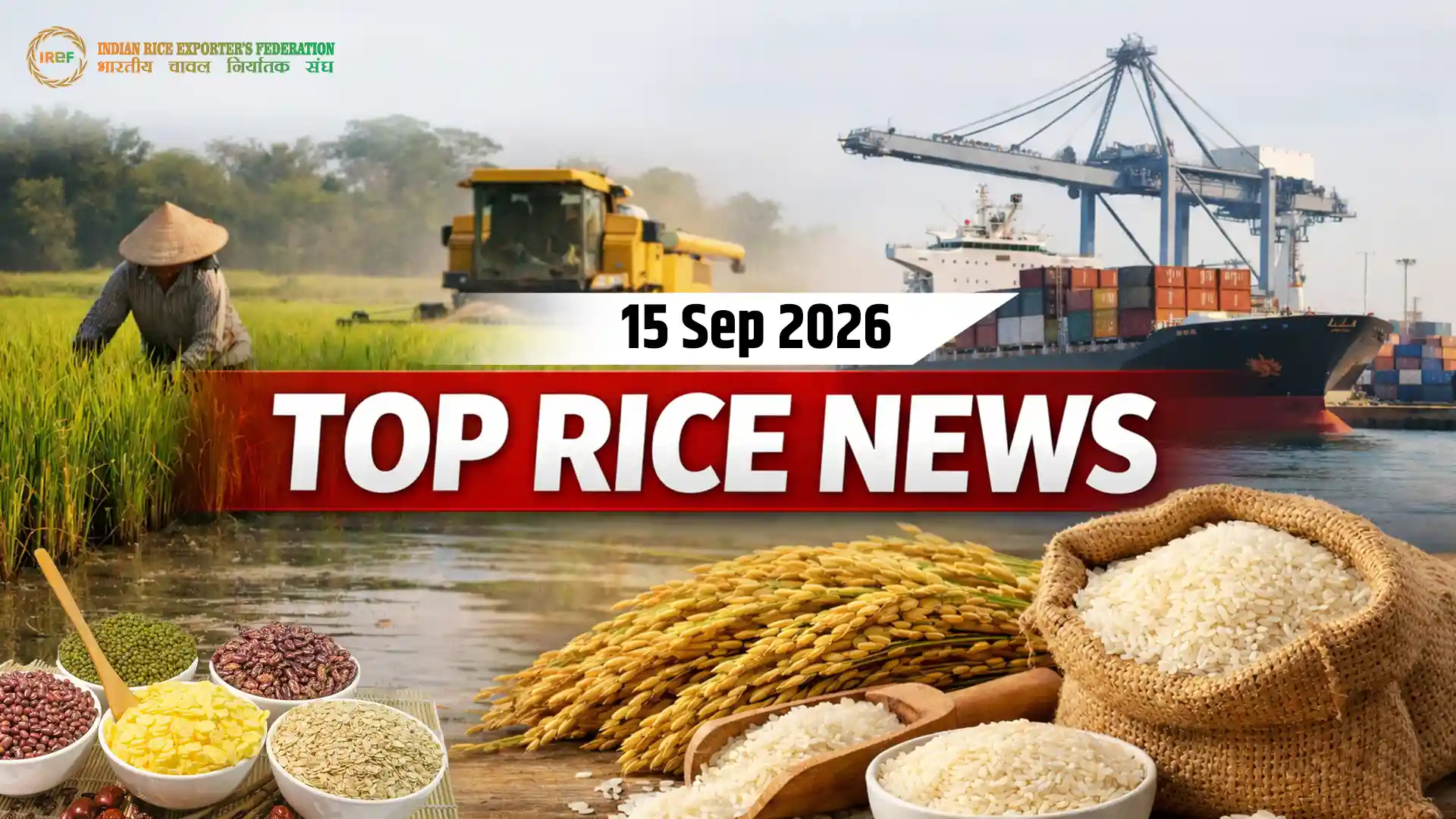
Top rice news today covers how Indian rice exporters face strict regulatory hurdles in the EU. However, trade diversions from Middle East conflicts have driven significant growth in new markets like Jordan and Turkey. At the same time, geopolitical tensions and rising freight costs are pushing Indian rice prices up by 15–25%, highlighting how regional instability directly impacts global trade.
Why are Indian rice exports to EU facing challenges?
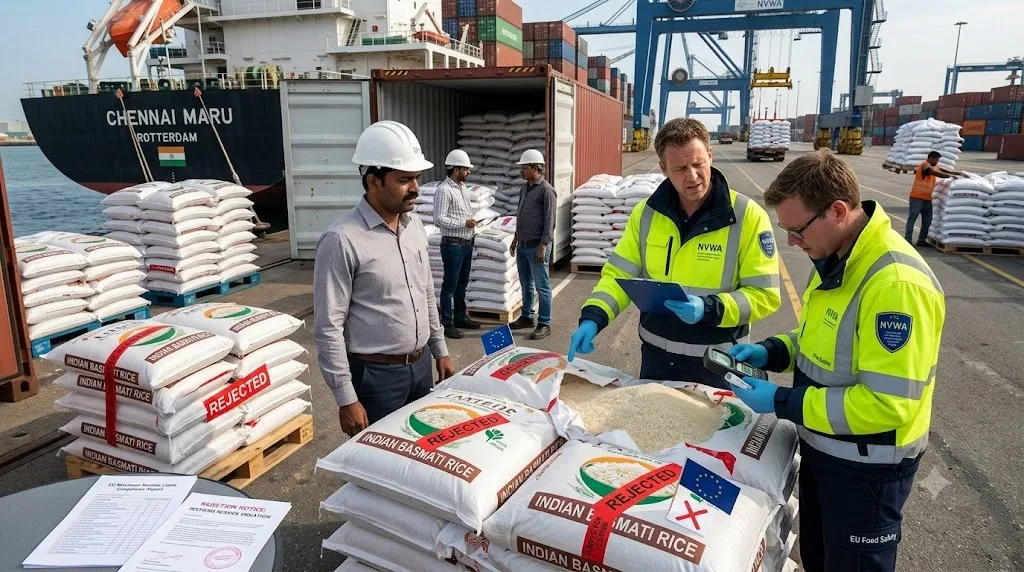
India’s rice exports to EU are facing new regulatory challenges. In 2025, around 52 rice consignments were flagged by European authorities out of nearly 4.74 lakh tonnes shipped from India.The main concern is compliance with strict EU food-safety rules, especially limits on pesticide residues. Indian exporters are also facing confusion because two agencies — APEDA and the Export Inspection Council (EIC) — are involved in export certification and oversight.
According to the report, inconsistent testing and overlapping responsibilities are making the process more difficult for exporters. This could increase compliance costs, delay shipments and create uncertainty for Indian rice businesses.The issue is important because the EU is a valuable market for Indian rice. For rice exporters, meeting international safety standards and ensuring consistent testing will be crucial to maintaining India’s position in the European market.
Here are the Indian rice exporters' new markets
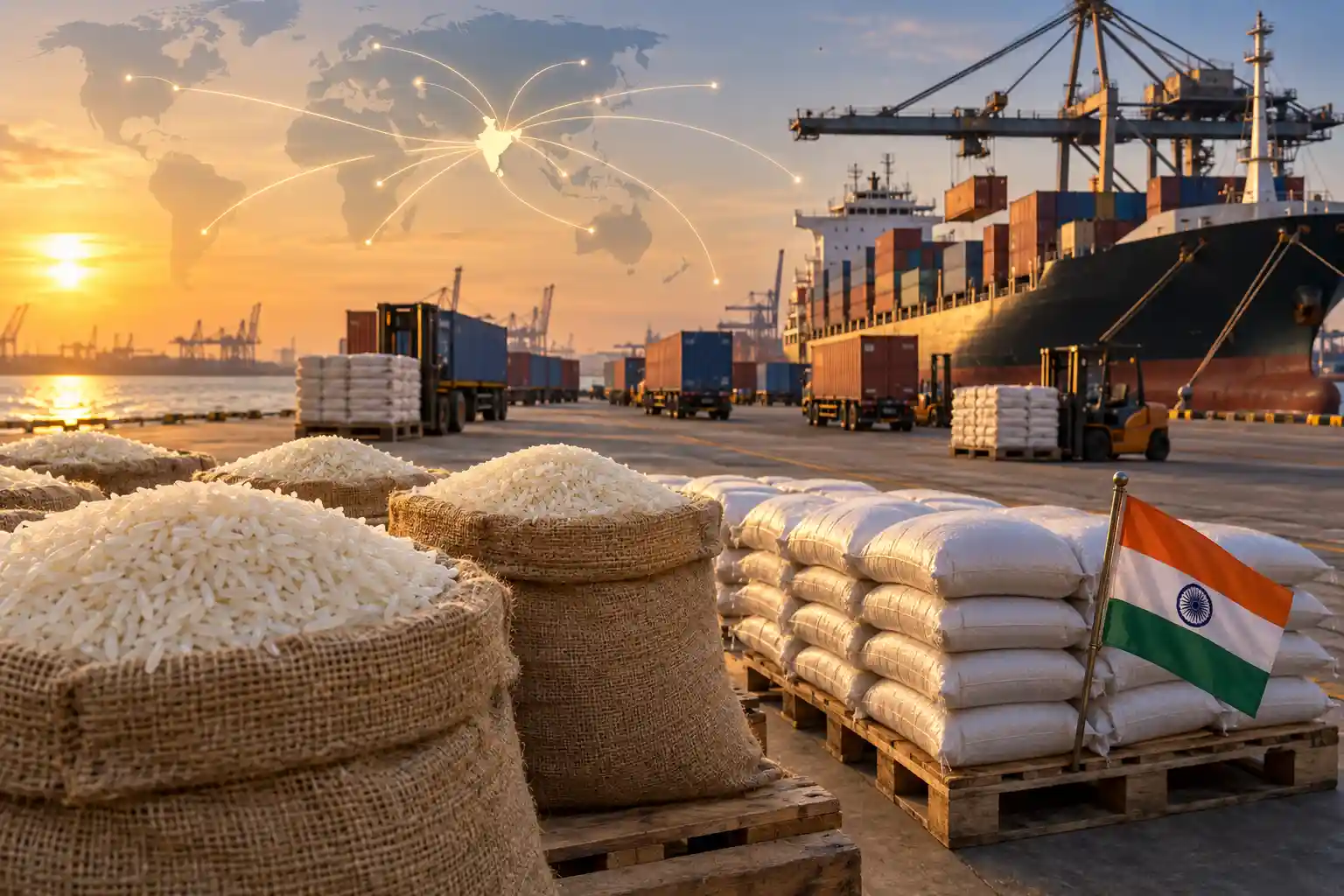
India’s rice exporters are finding unexpected new markets in Jordan and Turkey. Indian rice shipments to Jordan have increased nearly eight times, while India’s basmati rice exports to Turkey have doubled. These countries are not usually among the world’s biggest rice importers. So, what is driving this sudden growth? One major reason is the disruption in trade with Iran. As traditional trade routes face problems, rice shipments are finding new routes through other countries. Jordan and Turkey could therefore become important links in a changing regional trade network.
This development could create new opportunities for Indian rice exporters. It also shows why exporters should not focus only on the biggest rice markets. Smaller or less-known markets can become important when trade routes and demand change. For India, the key is to identify such markets early and build strong buyer relationships before competition increases.
How does ongoing US-Iran war affect rice prices in India?
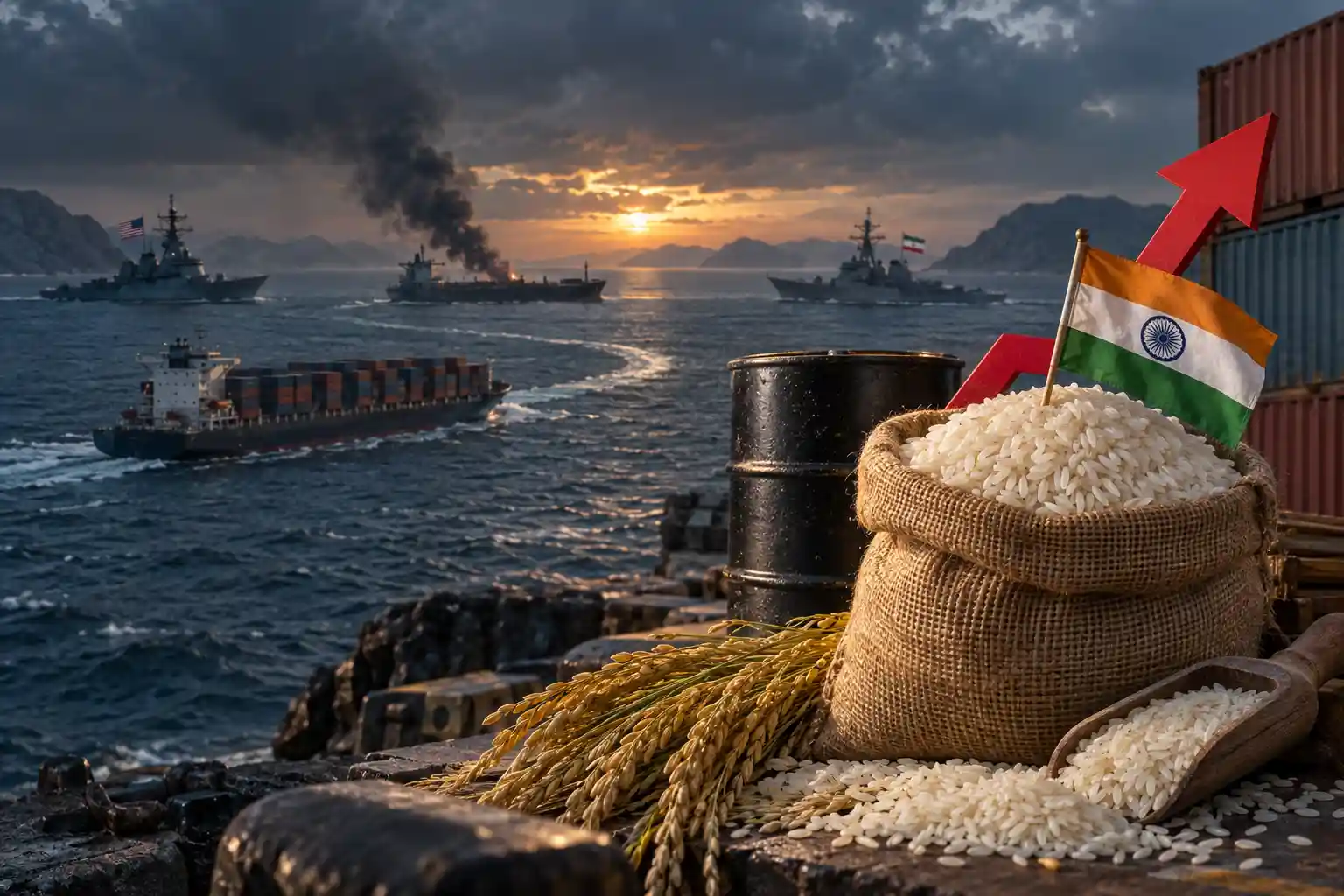
The ongoing US-Iran war is affecting rice prices in India, with rice becoming more expensive by around 15–25%, according to the report.The conflict is creating problems for global trade and transportation. Higher shipping and logistics costs are putting pressure on rice exporters and traders. As the situation affects important trade routes in the Middle East, the cost of moving goods can increase.
This impact is also being felt in India’s rice market. Higher costs can make Indian rice more expensive for buyers in international markets and can also affect prices in the domestic market.The development shows how a conflict far away from India can influence everyday commodities. Rice is not only a food item but also an important export product for India.If the conflict continues and transportation costs remain high, rice prices could stay under pressure in the coming months.
Share this article
Article Info
Read Time
3 min read
Published
15 Sept 2026
Author
Megha Bajaj
Category
Rice News