Top Rice News: El Niño Impact, Japan Prices And EU Basmati
Top rice news today covers why rice prices in India could increase further during the 2026 festive season and why Rice Prices in Japan Drop Below ¥3,000? Lastly, check out how EU Basmati status debate puts Indian rice exports at risk. These are some of the significant stories from the global rice sector today
Why Rice, Wheat and Pulses Remain Prices Firm?
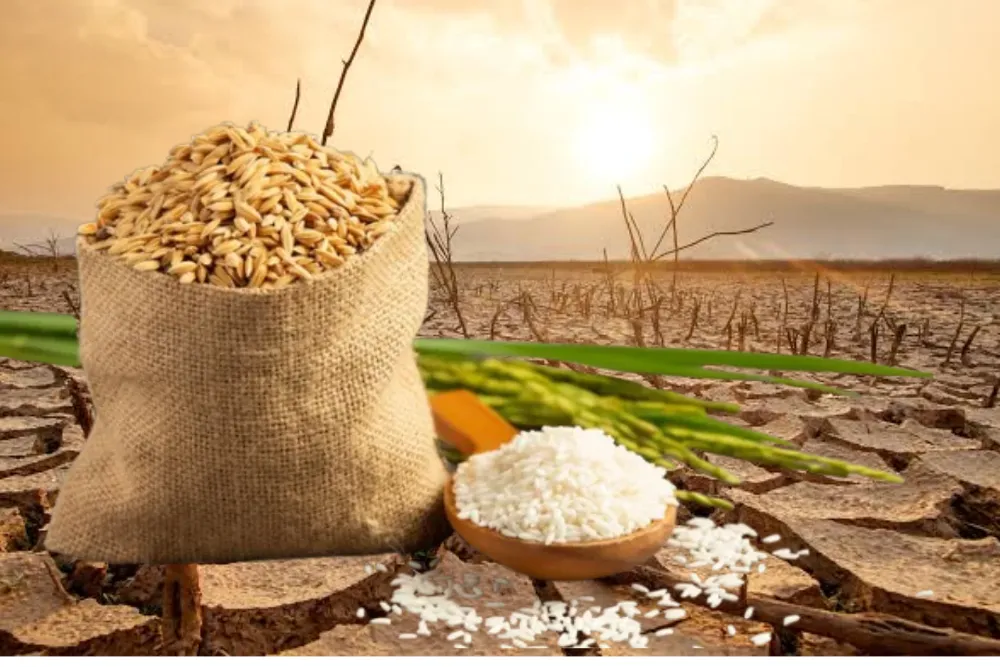
Rice prices in India could increase further during the 2026 festive season as weather conditions, global supply trends and demand remain major market drivers. According to industry experts, rice prices to increase by around 10–15% which is supported by firm export demand and concerns over production.
But, wheat prices are likely to remain relatively stable which is helped by comfortable government stocks and adequate domestic availability. The outlook could change if weather disruptions affect the upcoming crop. Pulses may see moderate price increases of around 4–5%, although imports and sufficient inventories are expected to limit a sharp rise. The impact of El Niño remains a significant uncertainty for agricultural commodities. Particularly, changes in rainfall and temperatures could affect crop yields and supply, if weather conditions turn unfavorable. With festive-season consumption expected to boost, food prices will remain closely watched by consumers, traders and policymakers.
Why Do Japan Rice Prices Drop Below ¥3,000?
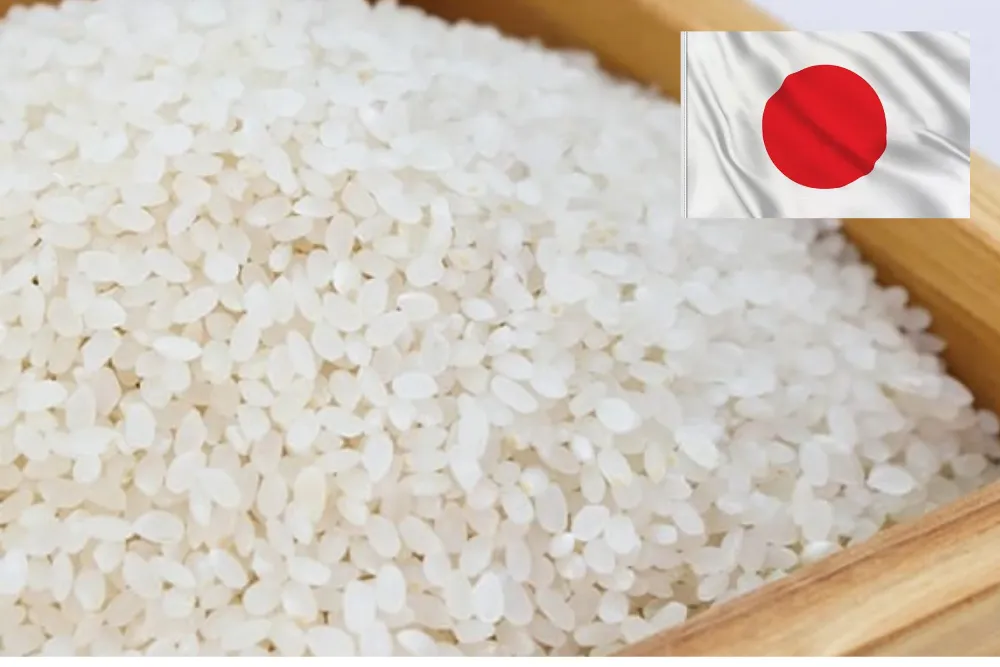
Japan’s average retail rice price dropped to ¥2,971 per 5-kilogram bag during September 7–13. It is decreasing by ¥32 from the previous week. This marked the first time the price dropped below ¥3,000 since September 2024. Brand-name rice also fell below the threshold to ¥2,988, whereas blended rice decreased to ¥2,866.
Notably, Rice prices had climbed sharply following shortages in 2024 which has reached a peak of ¥4,416 per 5-kilogram bag in January 2026. Prices have since eased as the government released reserve stocks and increased 2025 rice supplies reached consumers. Private rice stocks reached 1.6 million tonnes by the end of July, up 700,000 tonnes from last year. This was the highest July level since 2008. As the new harvest enters the market, retailers are offering discounts to clear older rice stocks. Despite the recent decline, rice remains costlier than pre-shortage levels, when a 5-kilogram bag sold for about ¥2,000.
EU Basmati Status Debate Puts Indian Rice Exports At Risk
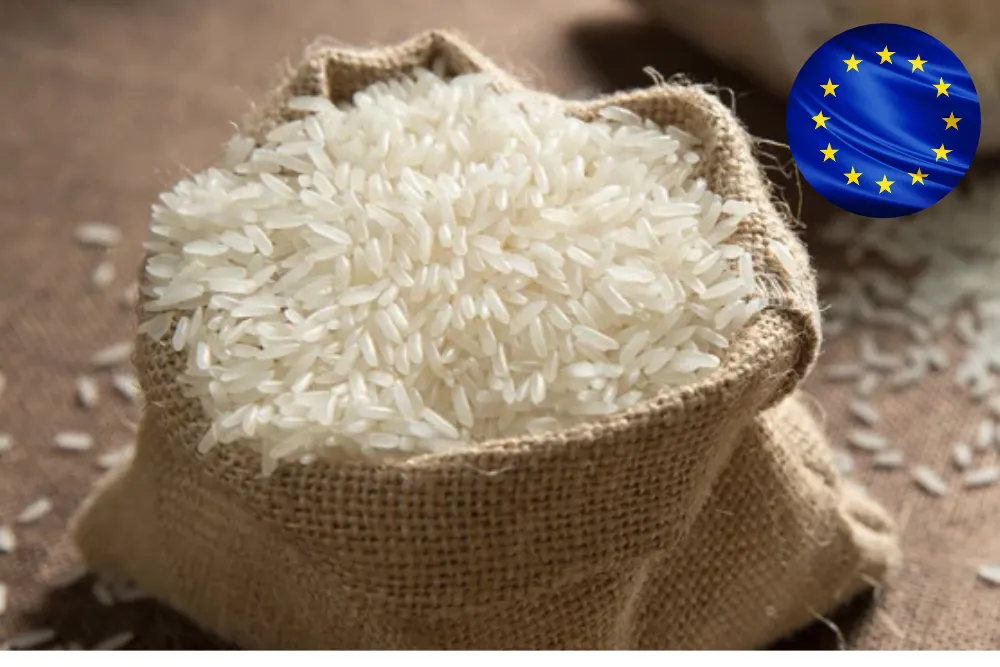
India’s bid to secure stronger geographical protection for Basmati rice in the European Union faces renewed challenges. It popped up the concerns that prolonged delays could eventually turn the term into a generic description. Notably, India applied for EU protection in 2018, whereas Pakistan filed its own application in 2024, creating disputes over geographical boundaries and ownership claims.
According to trade sources, continued use of the Basmati name for rice grown outside recognized regions could weaken its geographical identity among European consumers. India has argued for protection based on its established GI status and designated growing regions. In addition, the issue has become part of wider India-EU trade discussions, with negotiations continuing on a separate agreement covering geographical indications. The outcome could affect the premium positioning and export value of Indian Basmati rice in the European market
Share this article
Article Info
Read Time
3 min read
Published
30 Sept 2026
Category
Rice News