Rice News Today: Climate-Smart Rice Farming, Soil In Agriculture, and Cheap Rice Imports
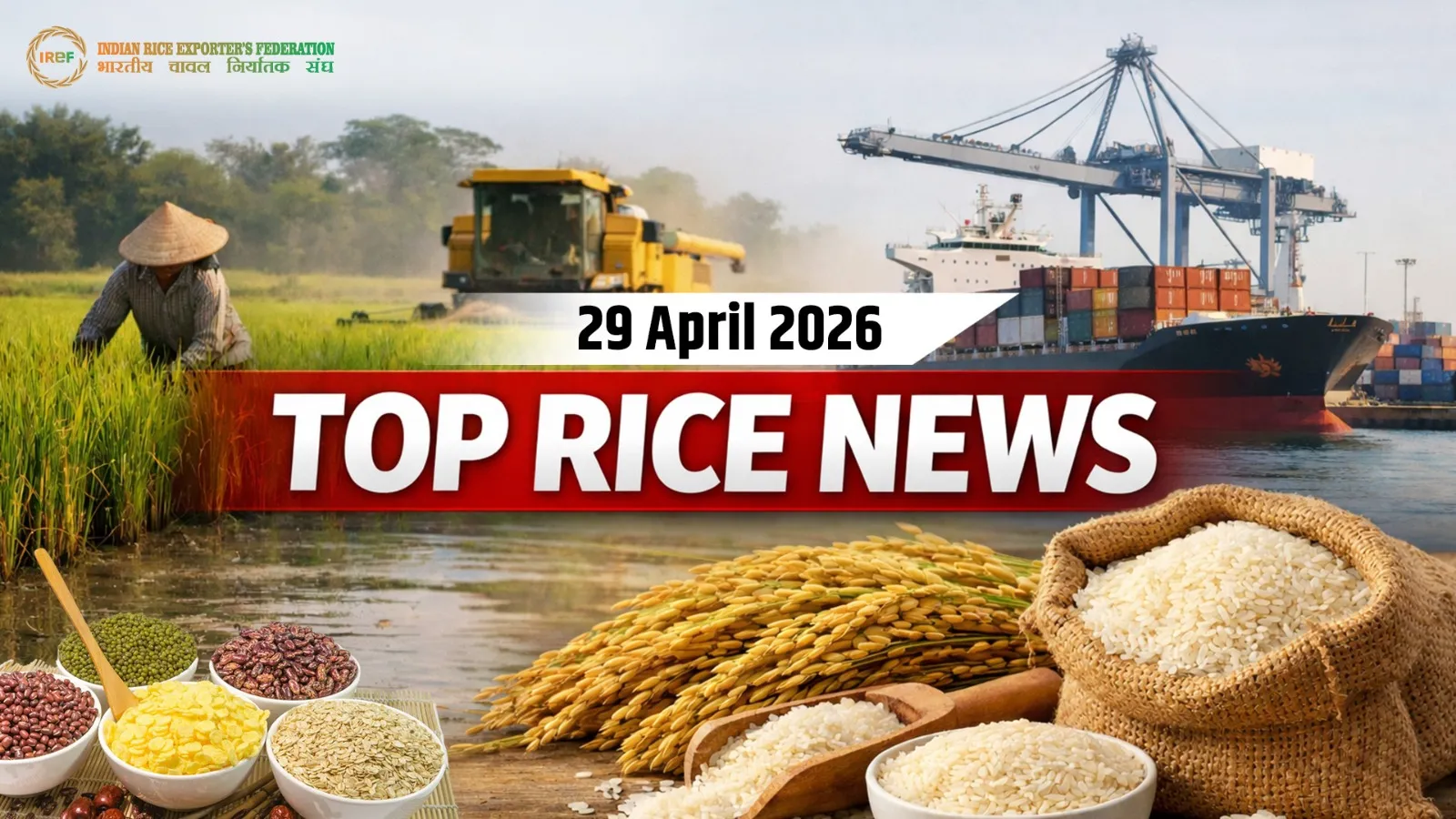
Rice news today in India outlines some important rice-related stories around the world. The first one is from Odisha, where the state government collaborates with IRRI for Climate-smart rice farming. On the other hand, a recent research report stated that soil is the main source of nitrogen loss in agriculture, not fertiliser. The third news story is from West Asia, where cheap rice imports undercut West African Farmers, triggering a market crisis.
Odisha, IRRI Collab For Climate-Smart Rice Farming
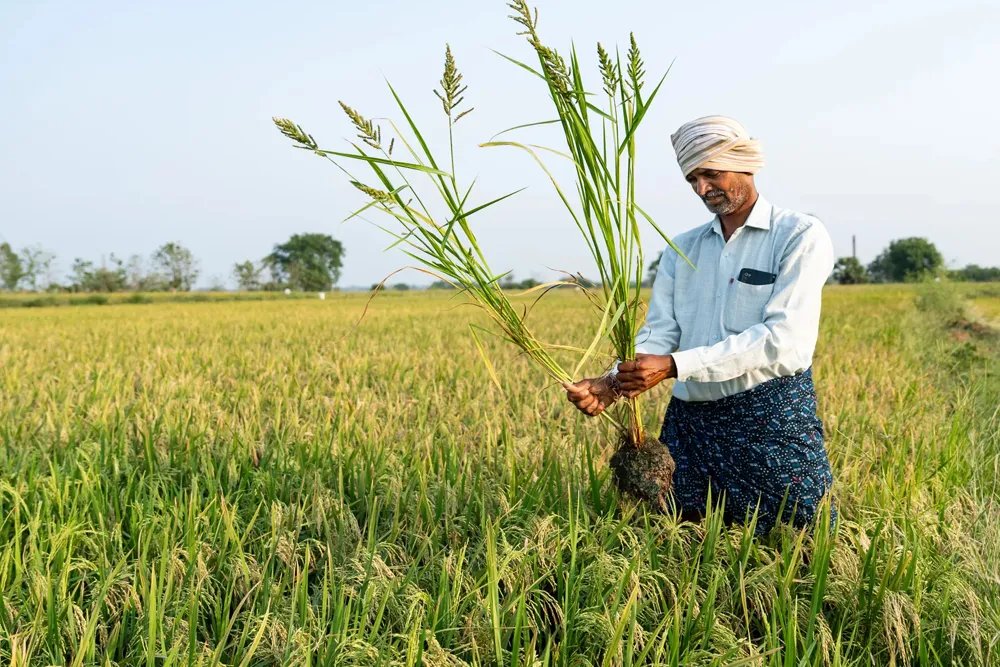
The Odisha Government has collaborated with the International Rice Research Institute to promote climate-smart rice farming and boost agricultural resilience in the state. The initiative emerges at a time when climate change is affecting crop productivity, water availability, and farmer livelihoods across India. The Partnership focuses on introducing climate-resilient rice varieties that can withstand extreme weather conditions, including droughts, floods, and irregular rainfall patterns. Interestingly, these improved varieties are expected to yield stable production even under unpredictable climatic conditions, thereby reducing rice risks for farmers. Moreover, a significant component is the promotion of sustainable farming practices. Farmers will be trained in modern cultivation techniques such as efficient water management, reduced chemical usage and improved soil health practices. Additionally, this method aims to make rice farming more environmentally friendly while also lowering input costs for farmers. This collaboration also stresses better farm management and capacity building. Farmers will gain access to advanced agricultural knowledge and technology-driven solutions through training programs, workshops and field demonstrations. This will help them make more informed decisions related to crop selection, irrigation and pest management.
Study Finds Soil, Not Fertilizer, Is Main Source of Nitrogen Loss in Agriculture
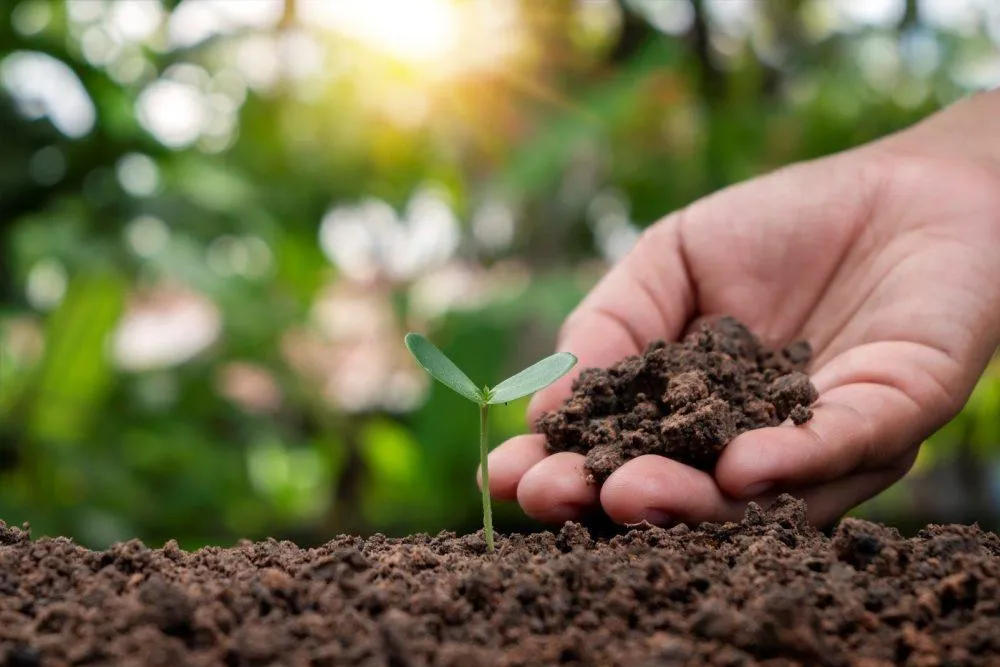
A recent scientific study report has challenged a long-held assumption in agriculture, which reveals that most nitrogen losses in farming systems, particularly in rice cultivation, originate not from applied fertilisers, but from the soil itself. This finding instantly shifts the focus of environmental and agricultural management toward better understanding natural soil processes. Notably, Nitrogen is a vital nutrient for crop growth, and farmers often depend heavily on synthetic fertilisers to improve production. However, the study shows that significant nitrogen loss still occurs due to internal soil mechanisms that occur even without excessive fertiliser. Moreover, Researchers found that microbial activity plays a key role in this process. Soil microorganisms break down organic matter, releasing nitrogen in the form of gases such as nitrous oxide, which then escapes into the atmosphere. In addition, the study underscores the importance of decomposition of organic matter within the soil. As plant residues and organic materials break down, they contribute to continuous nitrogen cycling. During this process, a portion of nitrogen is naturally lost, independent of external fertiliser inputs. This indicates that soil itself is a dynamic and active source of nitrogen emissions. Besides this, these findings challenge the widely held belief that synthetic fertilisers are the primary cause of nitrogen pollution in agriculture. While fertiliser management remains important, the research indicates that focusing solely on reducing fertiliser use may not be enough to address environmental concerns such as greenhouse gas emissions and water pollution.
Cheap Rice Imports Undercut West African Farmers, Trigger Market Crisis
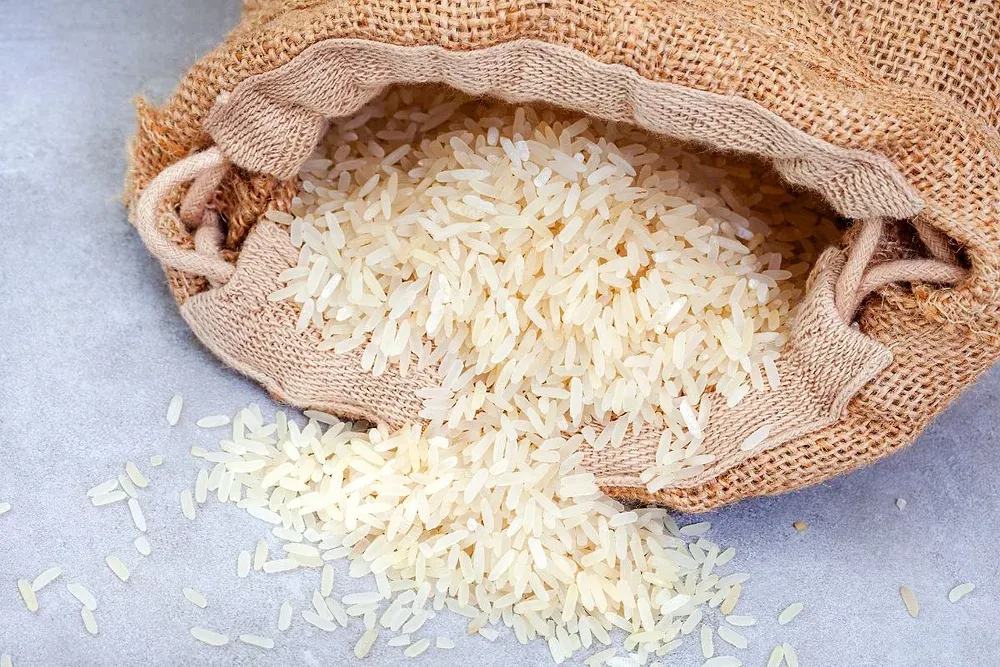
Rice farmers in West Africa are witnessing growing economic pressure as large volumes of low-cost imported rice continue to flood local markets. Notably, this particular surge in imports has made domestically produced rice less competitive, leaving many farmers struggling to sell their harvests at sustainable prices. Moreover, countries such as Mali, Senegal, and Ghana have been among the hardest hit. Significantly, rice farming is a major livelihood for millions of rural households in these nations. However, falling market prices are now threatening income stability. Farmers report that despite good harvests, demand for local rice has significantly declined since imported varieties are often cheaper and more readily available in urban markets. Responding to this crisis, governments in the region have introduced a range of support measures. These include subsidies for farmers, government procurement programs to purchase surplus rice, and efforts to stabilise local prices. The objective is to prevent financial distress among farmers and ensure that domestic production does not collapse under import pressure. However, these interventions have had only limited success so far. One of the major challenges is the high cost of local production. Several West African farmers face rising expenses for seeds, fertilisers, labour, and irrigation, which makes it difficult for them to compete with imported rice that benefits from economies of scale and lower international prices.
Share this article
Article Info
Read Time
4 min read
Published
29 Apr 2026
Author
Megha Bajaj
Category
Rice News