Top Rice News: China Ban Imports, Kandla Delays & Nepal’s Rice
Top rice news today covers how India’s rice sector faces challenges on multiple fronts. China has revoked registrations of seven Indian rice exporters over alleged GMO concerns, disrupting shipments and raising trade tensions. At the same time, severe congestion at Kandla Port has delayed cargo clearance by up to 40 days, putting rice exports and exporter revenues at risk. In Nepal, rising rice production is accompanied by the decline of indigenous varieties, threatening agricultural biodiversity.
Why China Halts Indian Rice Imports, Revokes 7 Exporter Registrations?
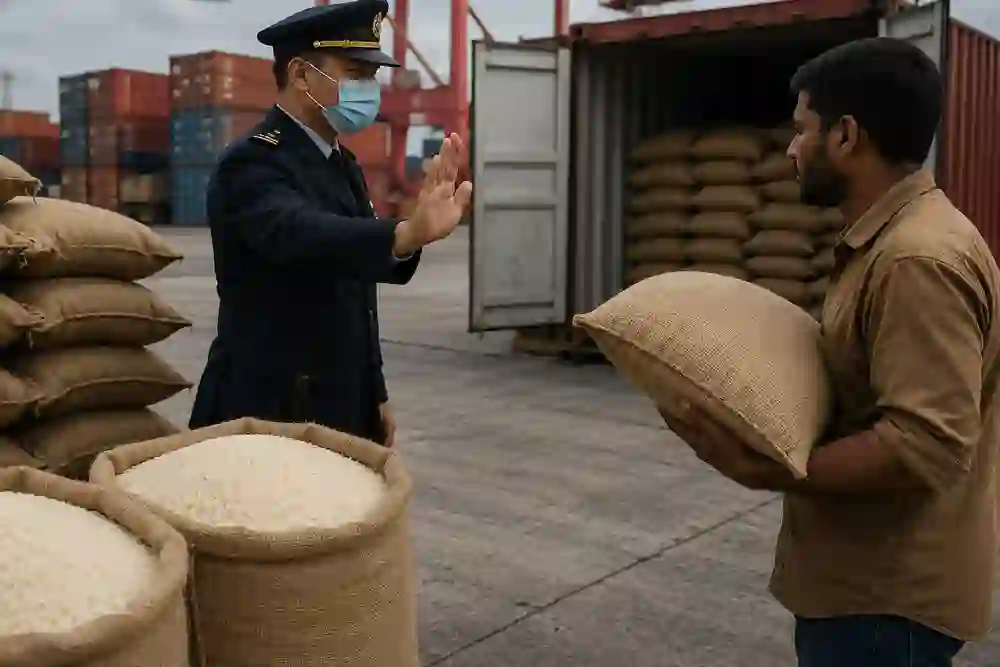
India-China rice trade is facing fresh disruption as Beijing revoked the registrations of seven Indian rice exporters, effectively halting their shipments to China. Since the Chinese authorities cited concerns over the alleged presence of genetically modified (GMO) material in the Indian rice consignments. Moreover, the development has raised questions among Indian exporters, as GM rice is not commercially cultivated in India. Not only this, but rice exporters have also pointed out that some consignments had reportedly cleared inspections before being shipped. In addition, Chinese authorities have reportedly dismissed more than 70 consignments of Indian non-basmati rice over similar GMO-related concerns in recent months. Besides this, the move could leave Indian exporters facing shipment delays, rising costs and uncertainty over access to a significant market. The country has sought intervention through APEDA to resolve the issue. The dispute could also add pressure to India-China agricultural trade relations if GMO-related restrictions continue or increase to more shipments.
Kandla Port Delays Put India’s Rice Exports at Risk. Here’s How?
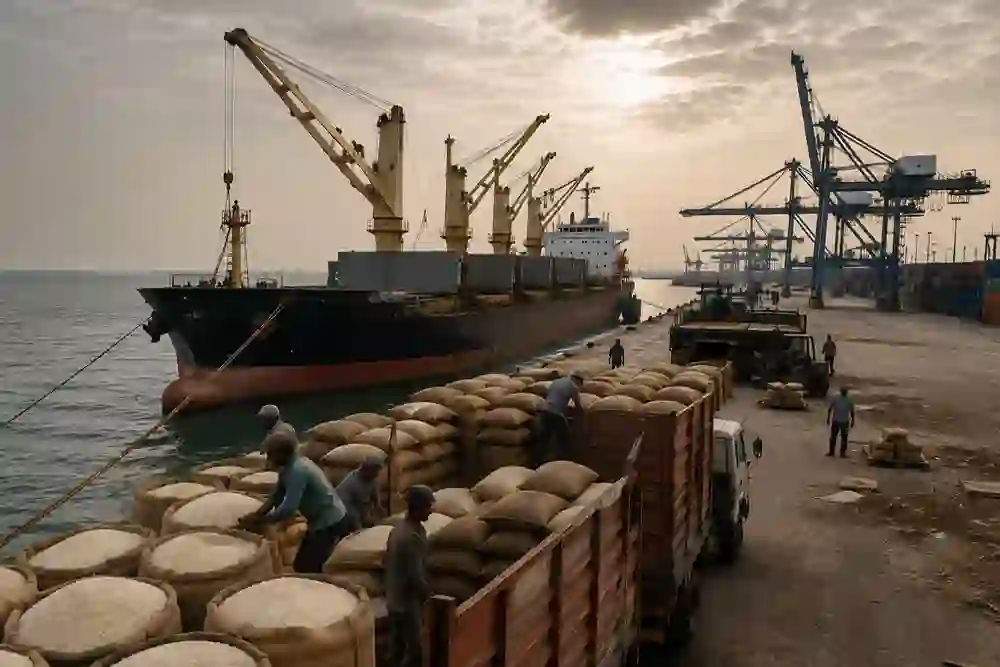
According to reports, India’s rice exports are facing a major logistical challenge as severe congestion at Kandla Port that has stretched cargo clearance times to 35–40 days. Significantly, the delays are particularly threatening Basmati rice shipments, emerging at a time when India is recording strong export volumes. Consequently, exporters fear prolonged waiting periods could result in shipment delays, financial losses, penalties, and even order cancellations from overseas buyers. Additionally, the congestion has created a significant backlog at one of India’s key gateways for agricultural exports, putting pressure on exporters already working against tight delivery schedules. Moreover, Industry stakeholders are appealing to the authorities to take swift corrective measures and clear the accumulated cargo. If the disruption continues, India’s ability to meet international rice orders on time could be affected by hurting exporter revenues and trade relationships. Broadly speaking, the situation underscores growing concerns over port infrastructure and logistics capacity as India’s agricultural exports continue to expand.
Nepal Grows More Rice, But Loses Indigenous Varieties
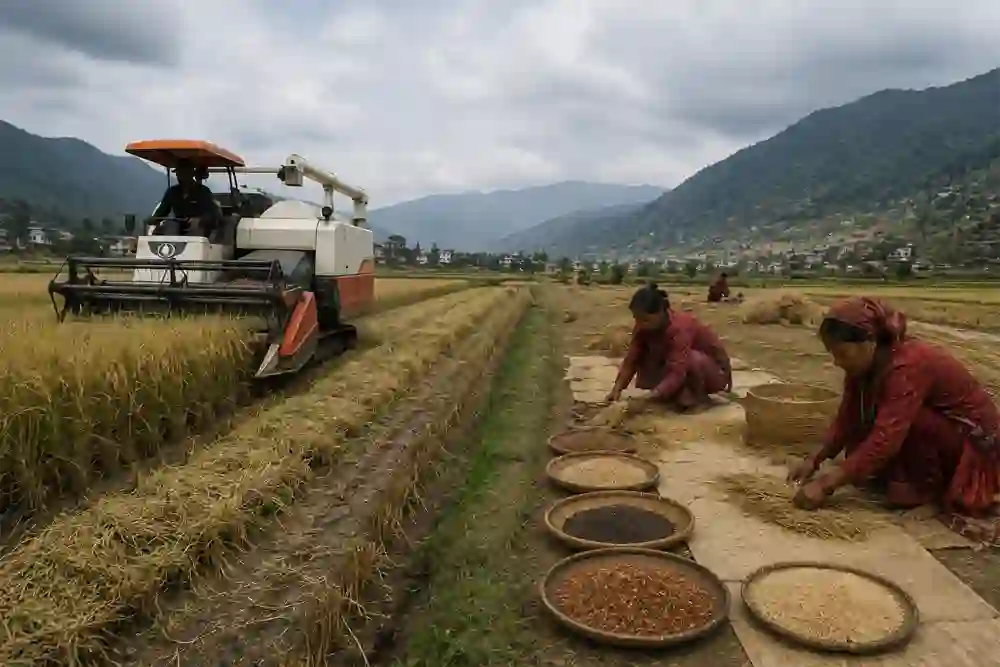
According to sources, Nepal is rising rice production, but the country is gradually losing several of its indigenous rice varieties as farmers shift towards modern, high-yielding varieties. Nepal has 69 documented indigenous rice varieties, several of which are decreasing in cultivation such as Baspate, Kankajira, Ratuwa and Sugandha. These traditional rice varieties are valued for their unique taste, cultural significance and ability to adapt to local environmental conditions. But, changing consumer preferences, limited market incentives and the growing popularity of improved varieties are putting pressure on their survival. Moreover, Experts warn that the loss of indigenous rice diversity could weaken Nepal’s agricultural resilience, particularly in the face of climate change and evolving pest and disease threats. Efforts to conserve traditional seeds, support farmers and create stronger markets for indigenous rice could help in protecting Nepal’s agricultural heritage along with maintaining food and genetic diversity.
Share this article
Article Info
Read Time
3 min read
Published
12 Aug 2026
Author
Megha Bajaj
Category
Rice News