Top Rice News: Africa’s Demand, Prices & SK’s Support
Top rice news today covers Africa’s growing rice demand and rising dependence on imports, Indonesia’s efforts to stabilize rice supplies and prices through strong government reserves, and South Korea’s latest 15,000-tonne rice contribution to support Rohingya refugees in Bangladesh. The developments underline the importance of food security, stable rice prices, adequate reserves, stronger domestic production and continued international support amid changing global rice demand and supply conditions.
Africa’s Rice Demand Surges as Reliance on Imports Grows
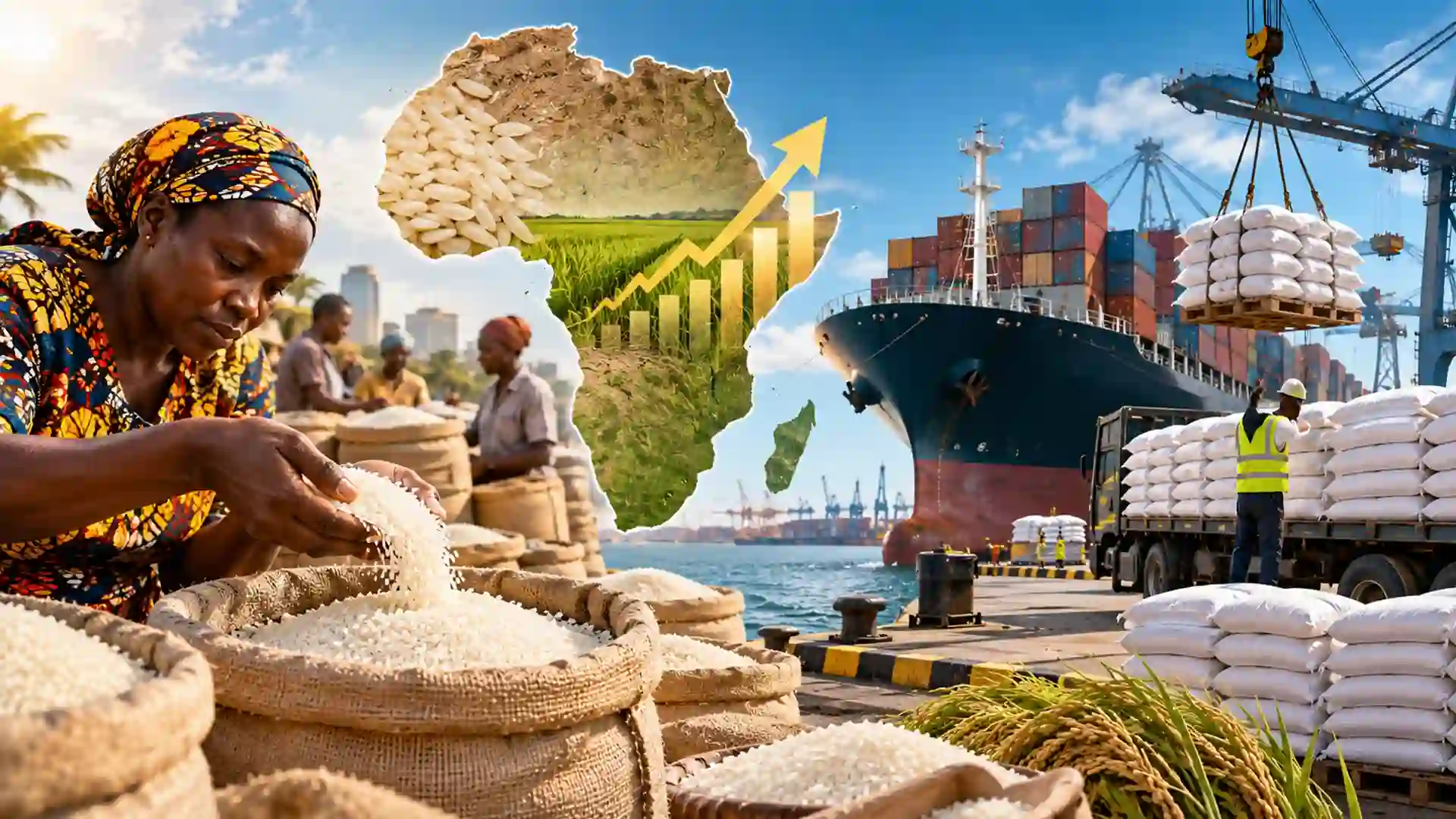
Africa’s growing population and rising appetite for rice are pushing demand higher, but domestic production is struggling to keep pace, leaving the continent increasingly dependent on imports. According to sources, rice consumption is rising faster than production, widening the gap between local supply and demand.
Moreover, this trend highlights a significant challenge for African food systems, where boosting local rice production could reduce reliance on overseas supplies and enhance food security. West Africa alone spends around $3.5 billion annually on rice imports, underscoring the scale of the opportunity to expand domestic cultivation, improve financing and strengthen agricultural infrastructure.
For consumers, continued reliance on imported rice also leaves local markets exposed to international prices, currency movements and supply disruptions. As demand continues to grow, African nations face increasing pressure to boost productivity and investment in the rice sector. Building stronger domestic supply chains could help in fulfilling the continent’s growing rice appetite while reducing its import burden.
“Rice Supplies and Prices Remain Under Control” says Indonesia’s BULOG
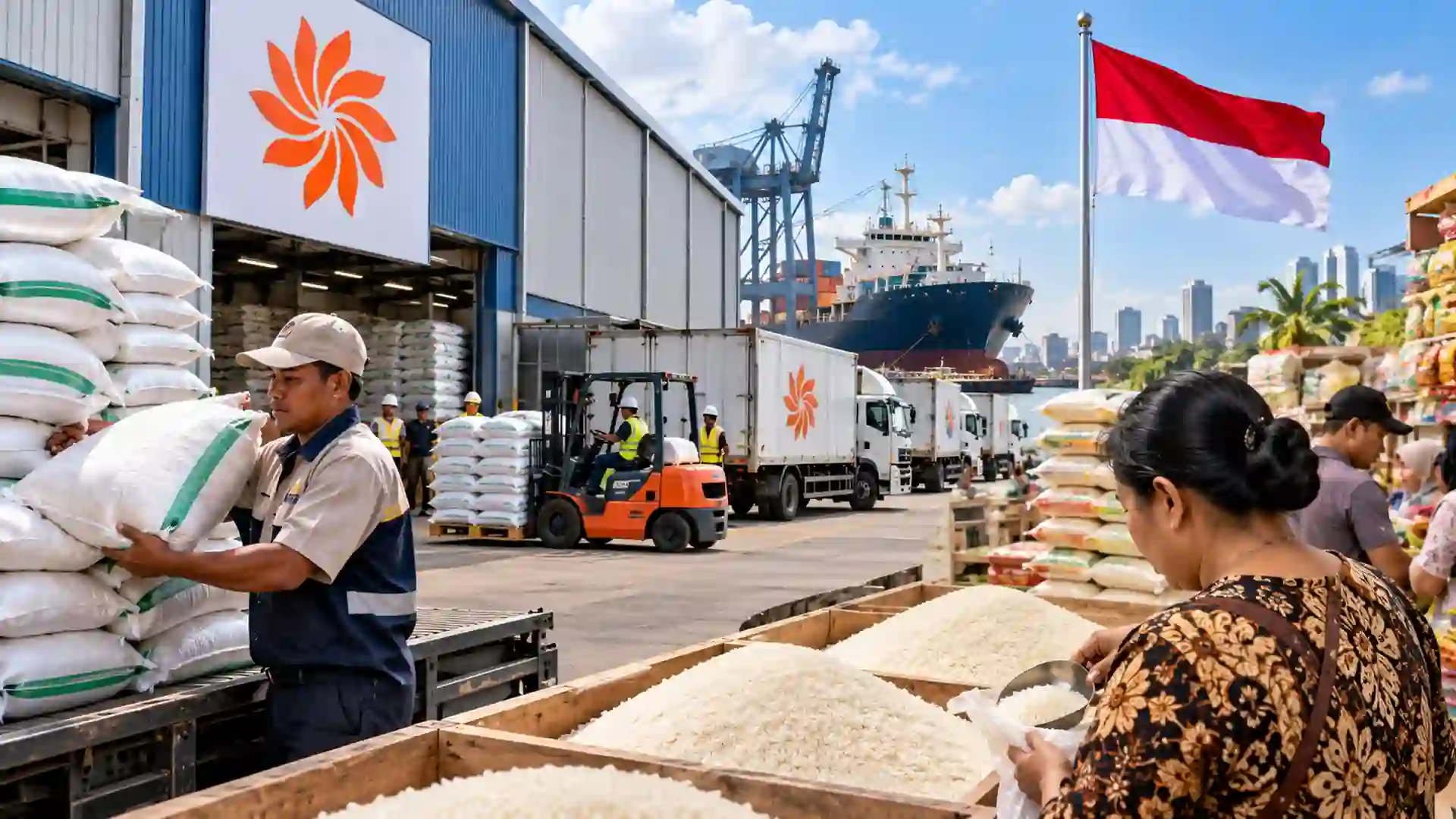
Perum BULOG has mobilized its teams in the Indonesia to conduct simultaneous market inspections which ensures adequate supplies along with keeping rice and other staple food prices under control. The Cheap Food Movement Inspection is part of BULOG’s efforts to boost food stabilization. BULOG works to identify potential price increases or supply disruptions early and take timely action.
Moreover, the move is backed by strong government rice reserves. As of September 5, 2026, BULOG managed nearly 4.9 million tons of Government Rice Reserves (CBP), distributed across its warehouse network throughout Indonesia. On the distribution side, rice under the 2026 Food Supply and Price Stabilization (SPHP) program had reached nearly 756,000 tons as of September 5. The strong stock position and significant distribution volume give BULOG sufficient room to carry out measured market interventions to maintain rice availability and affordability for consumers.
South Korea Sends 15,000 Tonnes of Rice to Support Rohingya Refugees
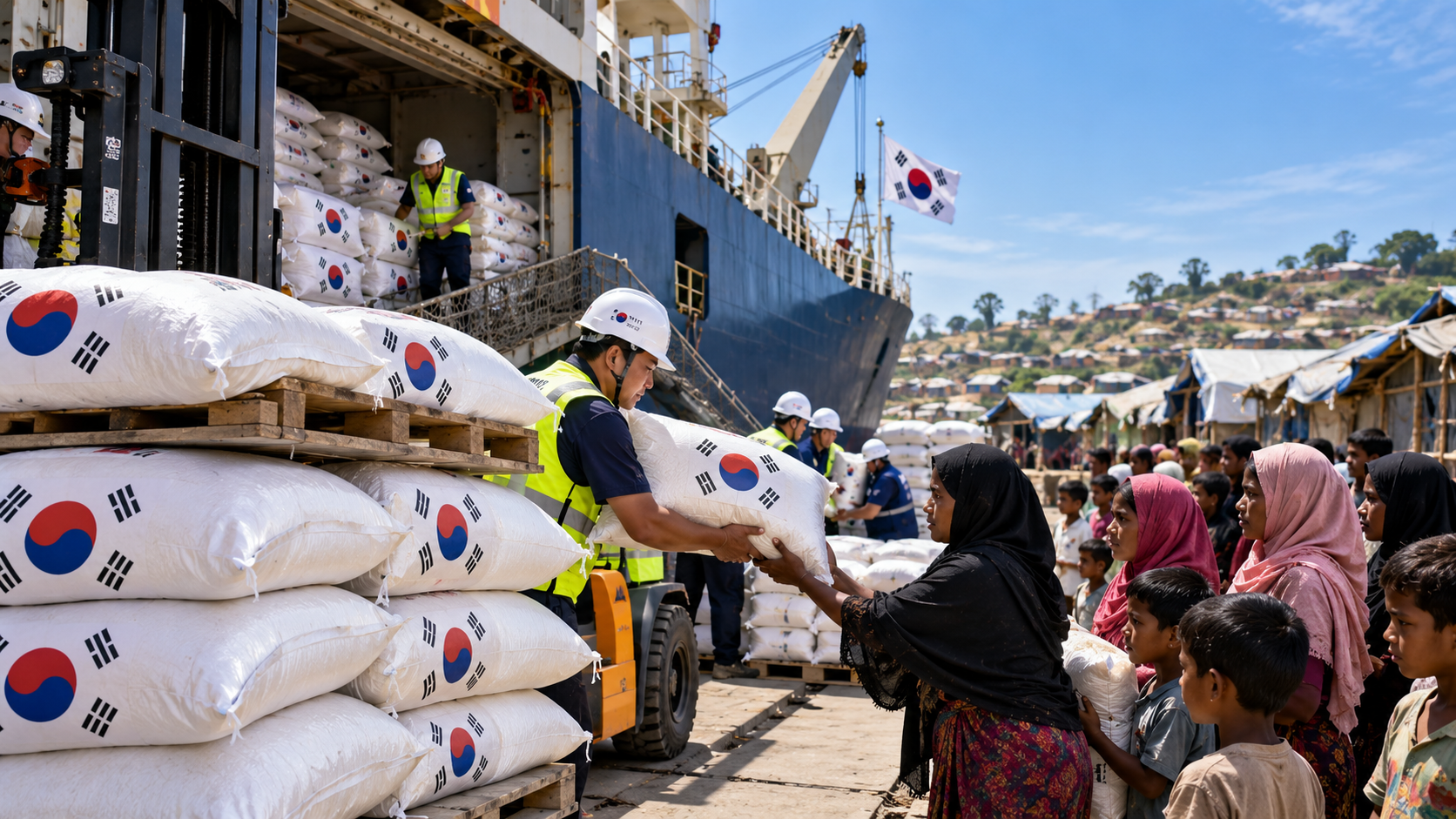
Recently, South Korea has provided Bangladesh with 15,000 metric tonnes of rice and 150 metric tonnes of fortified rice kernels to support Rohingya refugees. On Thursday, the rice was handed over at a ceremony at the World Food Programme’s (WFP) Sagarika warehouse in Chittagong. The assistance, provided through the Republic of Korea’s Ministry of Agriculture, Food and Rural Affairs (MAFRA), will support the WFP’s food assistance programme for Rohingya refugees in Cox’s Bazar. Moreover, it follows Korea’s previous contributions of 15,000 metric tonnes in 2024 and 20,265 metric tonnes in 2025 to the Rohingya response. In addition, this year’s contribution includes 150 metric tonnes of fortified rice kernels containing essential vitamins and minerals. The kernels will be blended with the donated rice to enhance its nutritional value, particularly for children and other vulnerable groups. The blended rice will then be transported to Cox’s Bazar and distributed through WFP’s general food assistance programme.
Nearly 1.2 million Rohingya refugees remain dependent on humanitarian assistance, with limited livelihood opportunities and no immediate prospect of a safe, voluntary and dignified return to Myanmar. Sustained donor support remains essential to maintaining food security and nutrition for one of the world’s largest and most protracted refugee populations.
Share this article
Article Info
Read Time
3 min read
Published
8 Sept 2026
Author
Megha Bajaj
Category
Rice News