Why Did The Centre Discontinue The Distribution Of Fortified Rice?
According to reports, following a comprehensive review of fortification and concerns about nutrient stability during long-term storage, the central government has decided to temporarily halt the distribution of fortified rice under the Pradhan Mantri Garib Kalyan Anna Yojana (PMGKAY) and other related welfare schemes. Interestingly, fortified rice is a regular rice that is mixed using FRK, a rice flour, in a 1:100 ratio, which contains nutrients like iron, folic acid, and vitamin B12.
In a statement regarding this decision, the government clarified that the temporary suspension will not result in any reduction in grain distribution and will not impact operations under the PDS, ICDS, or Mid-Day Meal Schemes, and distribution under these schemes will continue as per existing regulations.
Decision taken after the evaluation of the shelf life of Fortified Rice
Furthermore, the statement mentioned that as a transitional measure for pending receipts from the Kharif Marketing Season 2025-26 and Kharif Marketing Season 2024-25, states and union territories have been given the flexibility to supply non-fortified or fortified rice at their discretion, based on logistical and operational considerations. The statement regarding the government's decision stated that this decision was made following a government-mandated study conducted by IIT Kharagpur, which evaluated the shelf life of Fortified Rice Kernels (FRK) and fortified rice under realistic storage conditions in various agro-climatic zones.
Low micronutrient levels over time
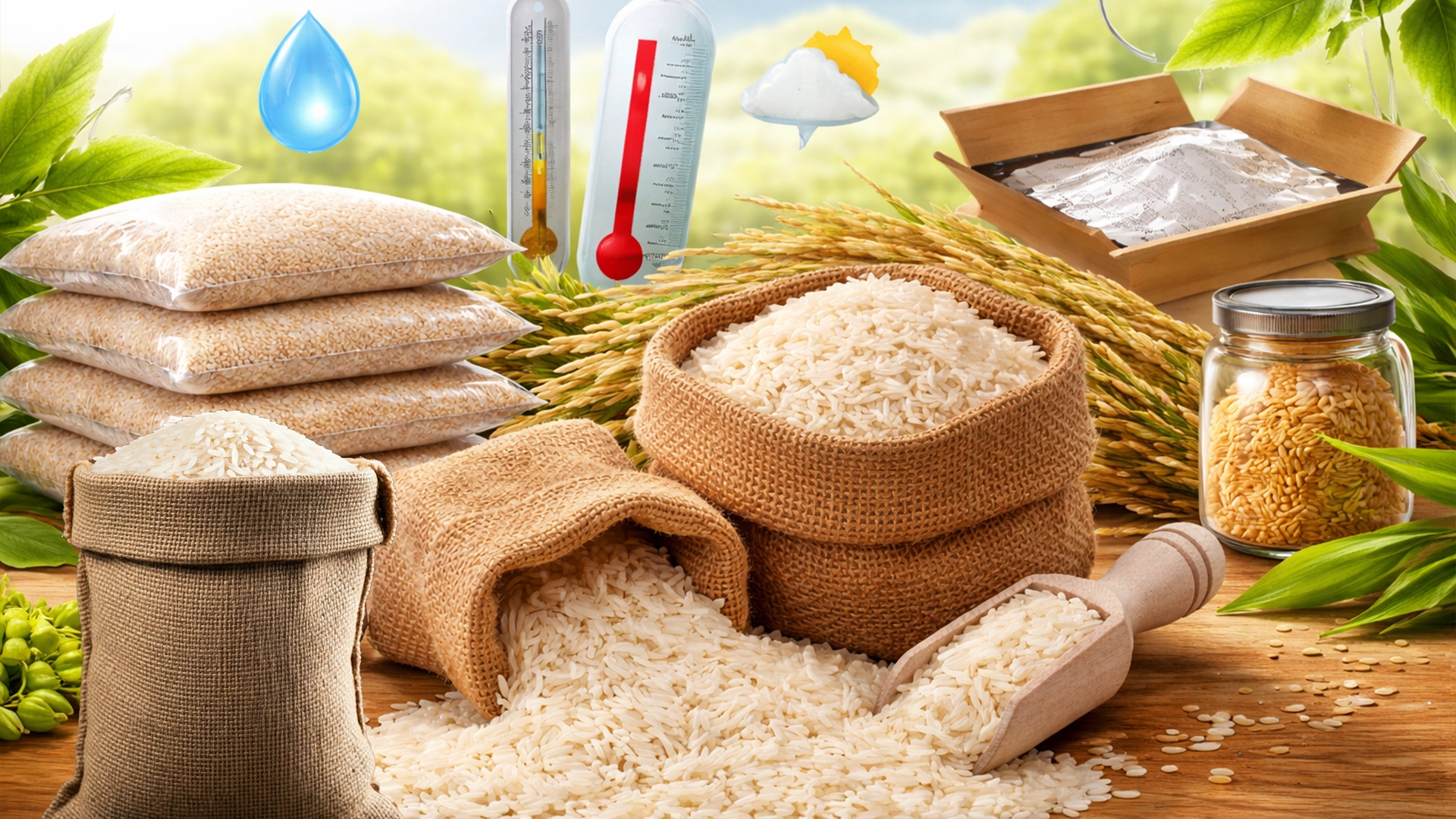
The study report found that moisture content, storage conditions, temperature, relative humidity, and packaging material significantly impact the stability of fortified rice. In addition, micronutrient levels were found to decrease over time, especially during prolonged storage and regular handling. Now, following these findings, fortified rice stocks are at risk of micronutrient degradation, reducing their shelf life and diminishing desired nutritional benefits. The latest decision becomes necessary since rice in the central pool is often stored for two to three years, given the procurement volume and annual offtake patterns.
Robust & effective nutrient delivery system is needed
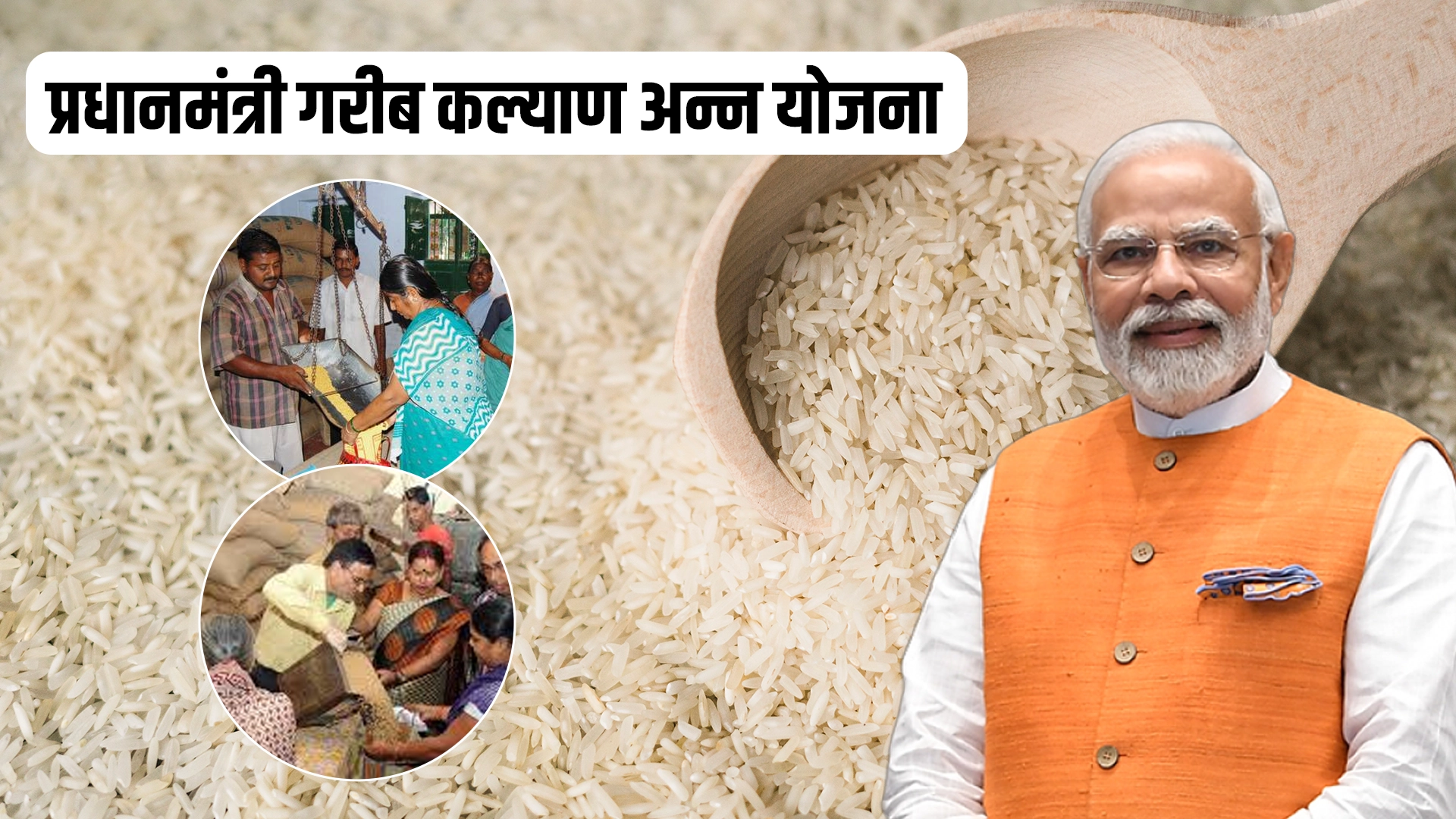
Total availability in the central pool is estimated at 67.4 million tons, compared to the annual allocation of approximately 37.2 million tons of rice under the Pradhan Mantri Garib Kalyan Anna Yojana and other related welfare schemes. This includes receipts from the 2025-26 Kharif marketing season, which began in October. The gap between allocation and availability means a longer storage cycle, which increases the risk of nutrient loss in fortified rice. Additionally, the statement stated that given these operational realities, the government has decided to halt the fortification process until a more robust and effective nutrient delivery system is developed and operational.
Notably, the government's fortified rice program through the Public Distribution System (PDS) intends to address micronutrient deficiencies such as anaemia by mixing fortified rice kernels with regular rice and has been rolled out in phases across the country under schemes such as the National Food Security Act, Integrated Child Development Services, and PM POSHAN.
Share this article
Article Info
Read Time
1 min read
Published
27 Feb 2026
Author
Megha Bajaj
Category
News