Top Rice News: Viludo, Mekong Delta Rice-Shrimp & hilippines Transplanter Innovations
Top Rice News 1: Viludo Seed Treatment Reduces Herbicide Damage, Strengthens Rice Crops
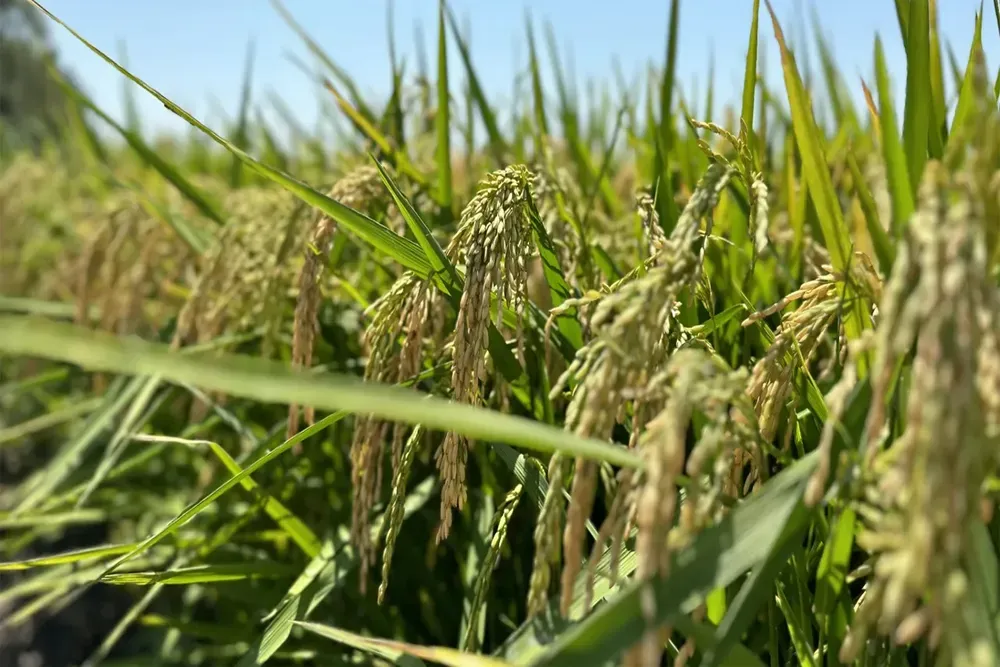
A new seed treatment technology, Viludo, is offering fresh hope to rice farmers seeking to protect their crops from herbicide damage while maintaining effective weed control. Developed specifically for rice cultivation, the treatment is designed to reduce bleaching caused by certain commonly used herbicides.
Notably, Weed management is a crucial part of rice farming, but some herbicides including clomazone, pendimethalin, and quinclorac, can lead to leaf bleaching in young plants. This bleaching appears as whitening or yellowing of leaves during early growth stages and may weaken plant vigor, affecting overall crop performance. In severe cases, it can slow early development and reduce the plant’s ability to cope with environmental stress. Viludo addresses this challenge by protecting rice seedlings from herbicide damage. According to research trials, the seed treatment reduced visible bleaching symptoms by nearly 50 percent in many cases. By minimizing early damage, the technology supports healthier crop establishment and more uniform field growth. Beyond reducing bleaching, Viludo has also demonstrated measurable improvements in plant development. Field tests showed stronger root systems, enhanced shoot growth, and increased overall plant biomass in treated crops. A well-developed root system helps plants absorb nutrients and water more efficiently, while stronger shoots contribute to improved canopy development and photosynthetic activity.
Agricultural experts note that such innovations are increasingly important in the context of climate variability, changing soil conditions, and rising input costs. Farmers require solutions that allow them to control weeds effectively without compromising crop health. While the early results are promising, the broader impact of Viludo will depend on farmer adoption and performance under diverse field conditions. If widely embraced, the technology could mark a significant step toward more resilient and sustainable rice production systems.
Top Rice News 2: Rice-Shrimp Farming Model Boosts Yields and Farm Income in Mekong Delta
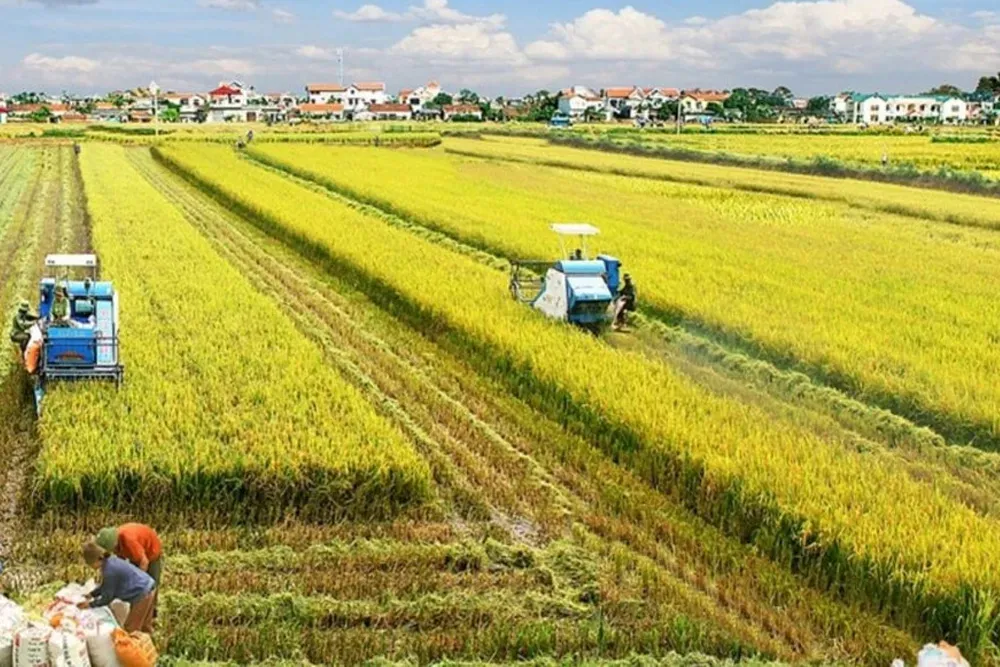
Farmers in Vietnam’s Mekong Delta are reporting strong production gains and higher incomes in the 2025–26 season, thanks to the growing adoption of the rice-shrimp integrated farming model. In Cà Mau Province, favourable weather conditions, combined with this diversified system, have resulted in record-high rice yields and improved profitability.
The rice-shrimp model enables farmers to cultivate rice while raising river shrimp and other aquatic species within the same farming ecosystem. By utilising seasonal water variations, producers can alternate between shrimp farming during saline conditions and rice cultivation when freshwater is available. This integrated approach optimises land use without expanding cultivated areas. According to regional reports, farmers not only achieved strong harvests this season but also benefited from favourable market prices. With stable input costs and diversified production, several growers secured better net returns compared to conventional monocropping systems.
Beyond higher income, the rice-shrimp system is gaining recognition as a climate-resilient and sustainable agricultural practice. The integration of aquaculture naturally enhances soil fertility, reduces the need for chemical fertilisers and pesticides, and lowers overall production risks. This is particularly important in coastal areas facing salinity intrusion, erratic rainfall, and flooding linked to climate change. Rice produced under this model is often considered cleaner and more environmentally friendly, increasing its potential in premium export markets where demand for sustainably grown products is rising. Local authorities continue to promote the rice-shrimp farming system as part of broader rural development and climate adaptation strategies. As environmental pressures intensify, the Mekong Delta’s success could serve as a model for other coastal and water-affected regions seeking sustainable growth and diversified farm income.
Top Rice News 3: Philippines Promotes Rice Transplanter Attachment to Improve Farm Productivity
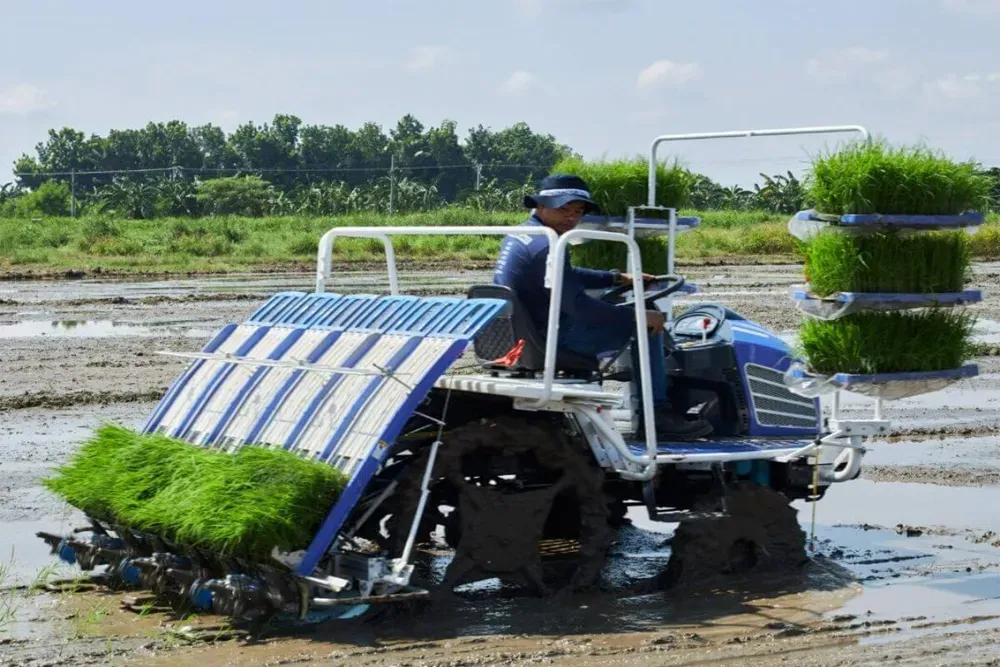
The Department of Science and Technology - Metals Industry Research and Development Center (DOST–MIRDC) is advancing agricultural mechanization in the Philippines by promoting a specialised rice transplanter attachment designed to enhance farm productivity and reduce labour dependence.
The newly introduced attachment can be mounted on a standard hand tractor, transforming it into a mechanised rice transplanter. Traditionally, rice transplanting is labor-intensive, requiring a large workforce and significant time investment. This often leads to higher production costs, particularly in rural areas facing labour shortages and rising wages. With the new attachment, farmers can transplant rice seedlings more quickly and efficiently while significantly reducing manual labour requirements. Field trials indicate that the equipment can cover up to 1.6 hectares per day, demonstrating its potential to accelerate operations during critical planting windows. Beyond speed, the technology ensures uniform and evenly spaced planting. Proper spacing supports better root development, improved nutrient absorption, and enhanced overall crop growth. These factors can contribute to higher yields and improved crop quality over time. Affordability is another key advantage of the initiative. Compared to imported mechanised transplanting machines, the locally developed attachment is more cost-effective, making it accessible to small and medium-scale farmers. This lowers the entry barrier to farm mechanization and encourages wider adoption.The promotion of this rice transplanter attachment aligns with the Philippines’ broader agricultural modernisation strategy. By integrating practical, locally engineered solutions, the country aims to improve farm efficiency, strengthen rural incomes, and enhance competitiveness in rice production. As labor challenges continue to affect agriculture, such technology-driven innovations are becoming increasingly vital for sustainable growth.
Share this article
Article Info
Read Time
5 min read
Published
21 Feb 2026
Author
Megha Bajaj
Category
News