Top Rice News: Bangladesh Doubles Hybrid Coverage, Global Emissions Spotlight on Rice, Pakistan Revamps Export Rebate Scheme
Top Rice News 1: Bangladesh Sees Hybrid Rice Coverage Double Over Five Years
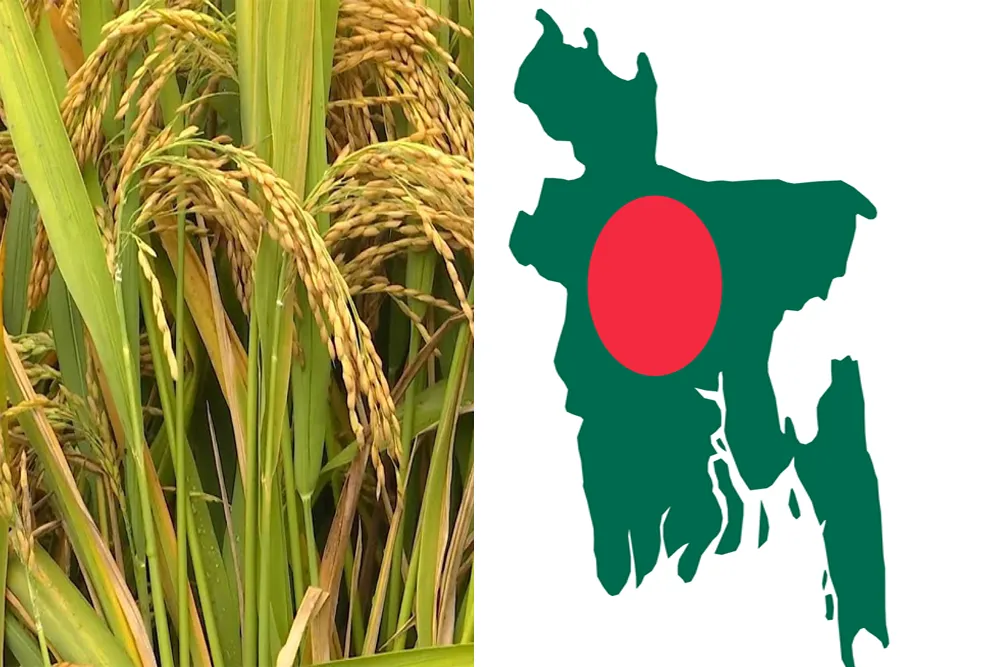
A recent study of the government revealed that the arable land under hybrid rice cultivation, particularly in the Boro season, almost doubled in the last five years, with Mymensingh emerging as the top producer district. The Department of Agriculture Extension (DAE) conducted the study with the title Strategies to increase cultivation of high-yielding hybrid and inbred rice varieties. The study shows that hybrid rice fields during the Boro season increased to 1.21 million hectares or 24.8 per cent of the total Boro acreage in the financial year (FY) 2020-21. Hybrid rice was cultivated on 0.66 million hectares of land or around 14 per cent of the total Boro acreage in FY 17. Interestingly, the study said that the government's procuring food grains in large quantities and developing local hybrid rice varieties contributed largely to such growth, resulting in high production. Notably, 12 districts under Mymensingh, Sylhet, Rangpur and Khulna divisions are producing nearly 51 per cent of the total hybrid rice output in the Boro season. However, Mymensingh district is at the top of the list with 68,918 hectares, followed by Noakhali 61,025 hectares, Sunamganj 57,210 hectares, Sherpur 56,453 hectares, Gopalganj 51,665 hectares, and Kurigram 51,150 hectares. It is noteworthy that the study findings were presented at a seminar on high-yielding hybrid and inbred rice varieties, organised recently by the Ministry of Agriculture
Top Rice News 2: Rice Identified as Largest Source of Global Farm Emissions, New Map Shows
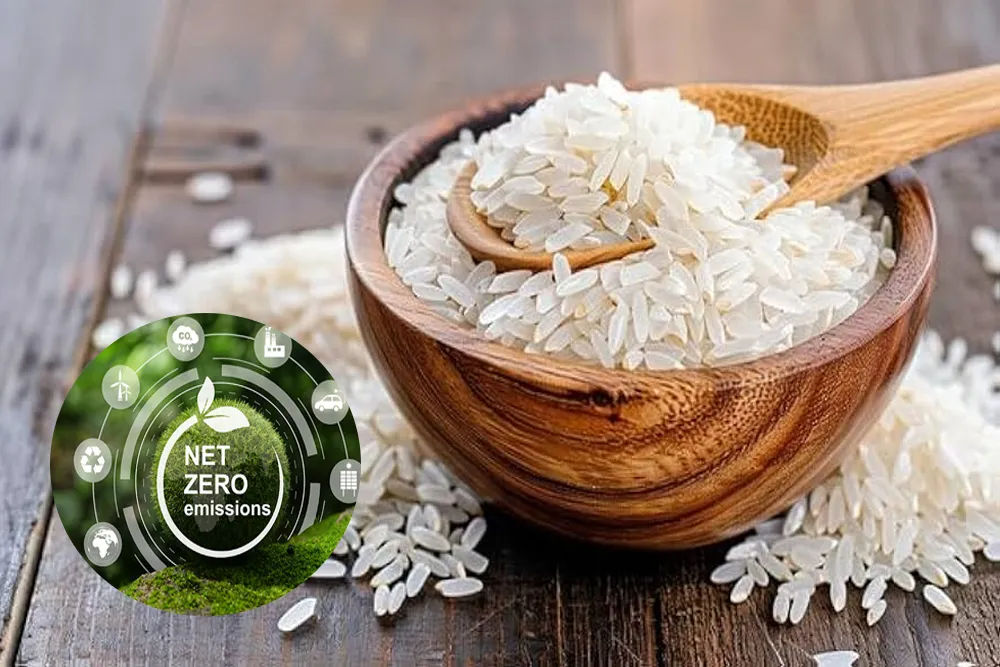
According to a detailed emissions map by researchers at Cornell University, a new global analysis reveals that rice cultivation, particularly flooded rice paddies, is the single biggest contributor to agricultural greenhouse gas emissions. Moreover, it is accountable for nearly 43 % of cropland emissions worldwidein 2020. Notably, most of the emissions come from methane released when rice fields remain waterlogged, along with contributions from drained peat soils and heavy fertiliser use. In addition, the findings highlight significant climate impacts from rice farming and point to mitigation opportunities without reducing food production.
Top Rice News 3: Pakistan Revises Rice Export Rebate Scheme, Removes Price Cap to Boost Competitiveness
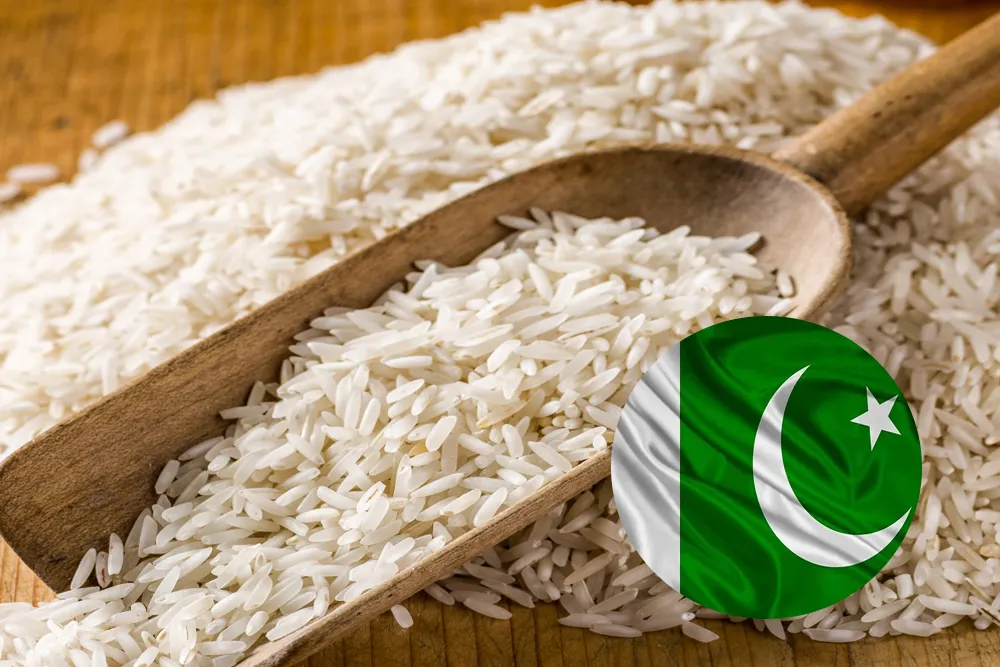
Pakistan’s Ministry of Commerce has amended its Duty and Taxes Remission for Export (DLTL) scheme by removing the $1,275 per tonne price cap and setting fixed rebate rates for rice exporters, effective retroactively from January 23. Furthermore, the government has allocated about Rs 15 billion in subsidies under the revised scheme to help in enhancing the export competitiveness in significant markets such as Saudi Arabia, the UAE, the US, the EU and the UK. However, industry stakeholders have raised concerns that the changes could encourage over-invoicing and may disadvantage smaller exporters, especially as Pakistani Basmati rice faces pricing competition from Indian suppliers.
https://youtu.be/RKeG31iwFIg
Share this article
Article Info
Read Time
3 min read
Published
20 Feb 2026
Author
Megha Bajaj
Category
News