Super Sultan Basmati: New Variety Reshaping Global Markets For Pakistan
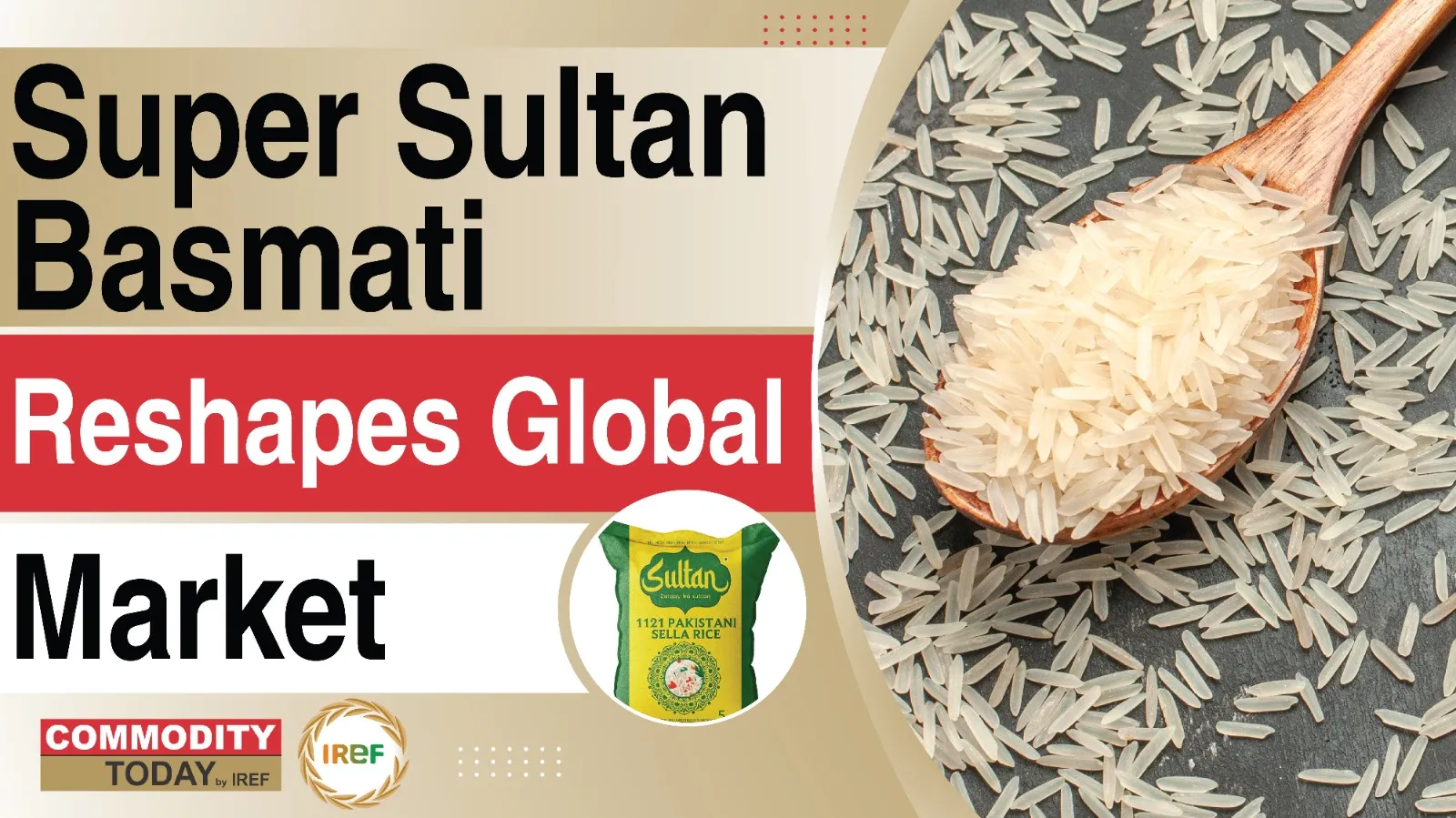
Super Sultan Basmati: New Variety Reshaping Global Markets For Pakistan
By Megha Bajaj
Pakistan’s New Basmati Rice variety has set a new record with Super Sultan Basmati, measuring 9.66 mm, a significant development that is about to strengthen the country’s position in premium rice markets. This new Basmati rice variety has given a ray of hope to exporters who see potential in premium rice markets. Not only this, but it would also help Pakistan improve its presence in International markets.
What is Super Sultan Basmati?
Generally, Basmati rice is long-grain, aromatic rice originally from the Indian subcontinent, known for its distinctive fragrance, delicate flavour and fluffy texture when cooked. These are the qualities that make it valuable in global culinary markets. Undoubtedly, Pakistan and India are the largest producers and exporters of authentic Basmati Rice. Whereas Super Sultan Basmati is a recently developed Basmati rice variety developed by scientists at the Rice Research Institute in Kala Shah Kaku, Pakistan. Interestingly, developed in 2025 to improve quality and competitiveness in premium rice markets.
Significance of Super Sultan Basmati
Notably, this is new variety has been seen as a boost for Pakistan’s Basmati rice industry since its grain length, aroma and quality may help the country compete better in international markets where long grain, aromatic basmati rice is highly in demand. Rice exporters are optimistic that Super Sultan Basmati will improve Pakistan’s share in premium rice markets overseas.
Current challenges in rice production or exports
According to a report by IREF, Pakistani rice exports, especially Basmati, have faced sharp declines recently. In the first quarter of FY26, total rice exports fell by about 28%, with Basmati exports dropping more drastically (around 45.5%). Industry observers say this reflects deeper policy, regulatory and competitiveness problems.
In addition, Pakistan, which is among of the largest producers of basmati rice across the world is now the facing a decline of 45.5%, while non-basmati exports slipped by 22.1%, as reported in the latest trade and customs figures. Exporters attribute the slump to multiple factors, including fiscal constraints, limited export financing, high domestic rice prices, and an appreciating rupee. However, many in the industry say the real problem lies deeper: a regulatory breakdown triggered by flawed agricultural reforms.
Moreover, according to a report by Rice News, despite an increased rice area, Pakistan’s average yields reduced due to problems like inefficient water management, reduced fertiliser use, limited supply of certified seed. These issues mean simply expanding acreage doesn’t improve total production, directly impacting export volumes.
Super Sultan Basmati Versus Other Basmati Rice Varieties
Super Sultan Basmati is especially known to elongate significantly when cooked, and maintain slender and separate grains. It is a highly desired trait in premium international markets. It holds a classic aromatic profile that relates with Basmati, significant for dishes like biriyani or Pulao. No doubt, other standard Basmati varieties also offer non-sticky, fluffy cooking characteristics, but with slightly less extreme elongation and often more classic cooking behaviour.
Super Sultan Basmati reportedly has a higher yield potential than is average for many existingBasmati types. Though it may be slightly late-sown, maturity time is generally similar to other Basmati rice varieties.
However, Traditional Super Basmati, Basmati 385, and others have moderate yields and different maturity periods depending on type and growing conditions.
What about its exports?
Due to its unusually long grain and strong aroma, it has greater potential to fetch premium prices on international markets where visual quality and elongation are highly prized. Some exporters believe that such characteristics can strengthen Pakistan’s competitive edge, especially against other long-grain varieties.
Nevertheless, other varieties like Super Basmati and 1121 have been established export earners due to consistent quality and consumer preference in export markets. Additionally, 1121 Basmati is also prized for its long cooked length and fluffy grains. Super Sultan aims to push the premium profile further with its unique traits.
How Could Super Sultan Basmati Affect Farmers?
Apparently, Super Sultan Basmati has been reported to have a much higher potential yield which is more than other traditional Basmati types. It simply means that farmers growing it could produce significantly more rice per unit area. Higher production per acre can directly transform into greater farm income if input costs are managed efficiently and market prices remain favourable. Besides this, this new variety has a special feature comprising long grains and strong aroma, traits that are highly prized in premium export markets.
Food Security and Global Trade Angle
Higher yields per acre with Super Sultan Basmati, can help rise aggregate rice output without expanding cultivated land. Now, this is significant amid water stress and shrinking farmland.
Particularly, Higher productivity endorses farmers incomes which makes rice cultivation more sustainable and decreasing the risk of farmers shifting away from food crops. Now, in the situation of climate stress or supply distruptions, improved varieties provide greater resilience by delivering more output from the same inputs.
Ultimately, Super Sultan Basmati Rice’s extra-long grain, strong aroma go along with the preferences of high-value markets such as Middle East, Europe and the UK. By offering this type of rice variety, Pakistan can command better prices rather than competing only on volume, helping stabilize export earnings. Moreover, Stronger basmati exports also help diversify global rice supply, decreasing over- reliance on a few significant exporter and enhancing stability in international rice markets.
Conclusion
The super sultan basmati indicates a remarkable success in Pakistan’s rice sector at a time when the industry is battling with severe production and export challenges. This variety goes well with the emerging demands of premium international markets. Notably, it offers renewed optimism to exporters seeking to revive their competitiveness and to farmers looking for higher returns per acre.
Share this article
Article Info
Read Time
5 min read
Published
9 Jan 2026
Author
Megha Bajaj
Category
News