RELIEF Scheme For Rice Exporters Worth ₹497 Crore Amid Middle East Conflict
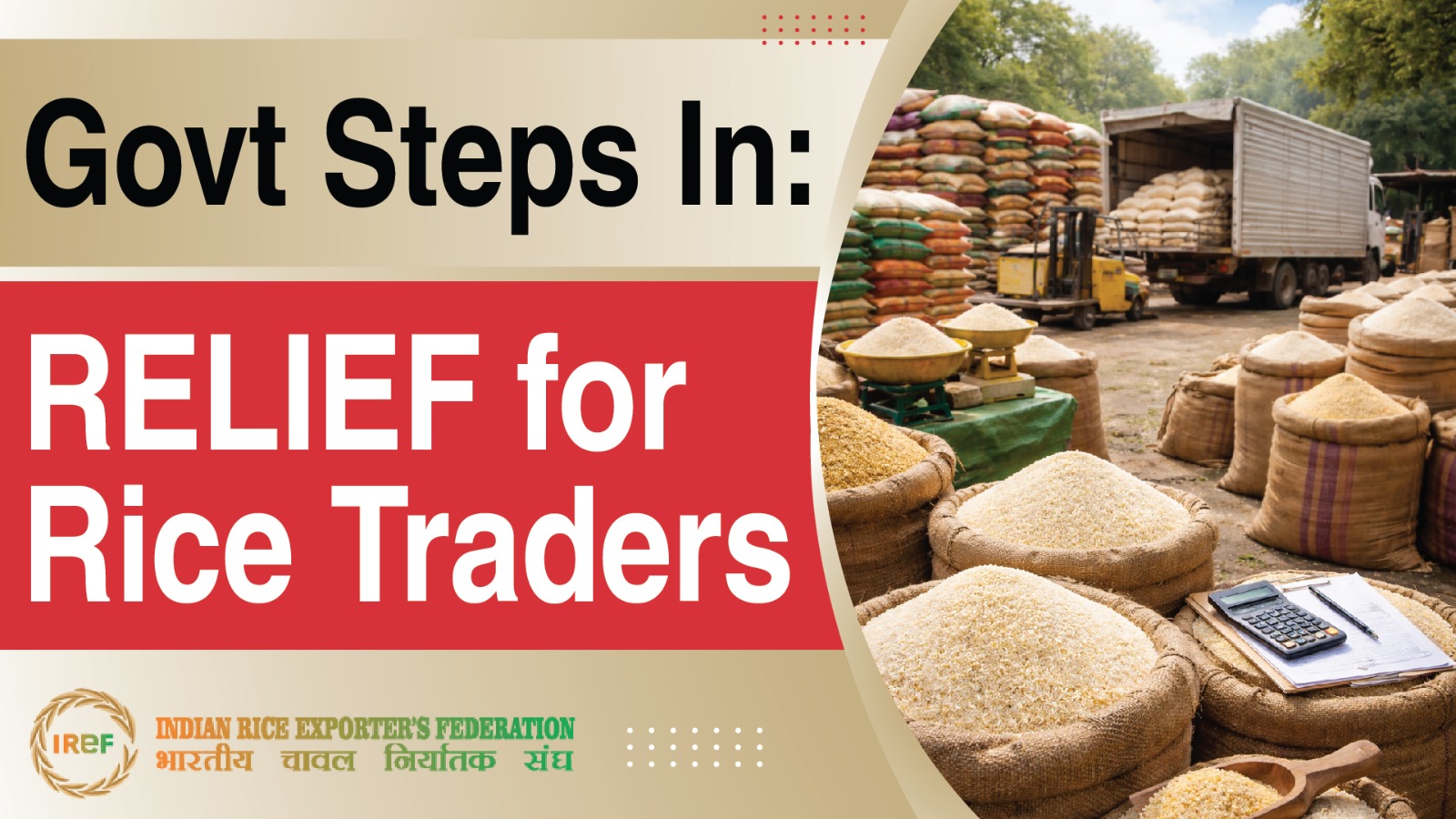
Amid the ongoing Middle East Conflict, India's Basmati rice trade has been significantly impacted. In a recent development, Basmati rice from Haryana, India, is usually exported to Iran and other Gulf nations; these exports have currently come to a standstill due to the prevailing situation. Notably, Consignments belonging to Basmati rice exporters in Haryana remain stranded at various ports, Not only this, but it has resulted in stalled payments as well. Apparently, fear of uncertainty is looming over the export sector, and the financial losses continue to mount. Moreover, Rice exporters in Haryana have been severely affected by the war. In this difficult time period, the Central Government has taken a significant step to provide relief to rice exporters by implementing a (Resilience and Logistics Intervention for Export Facilitation) RELIEF scheme worth ₹497 crore.
RELIEF scheme is rolled out under the Exports Promotion Mission initiative
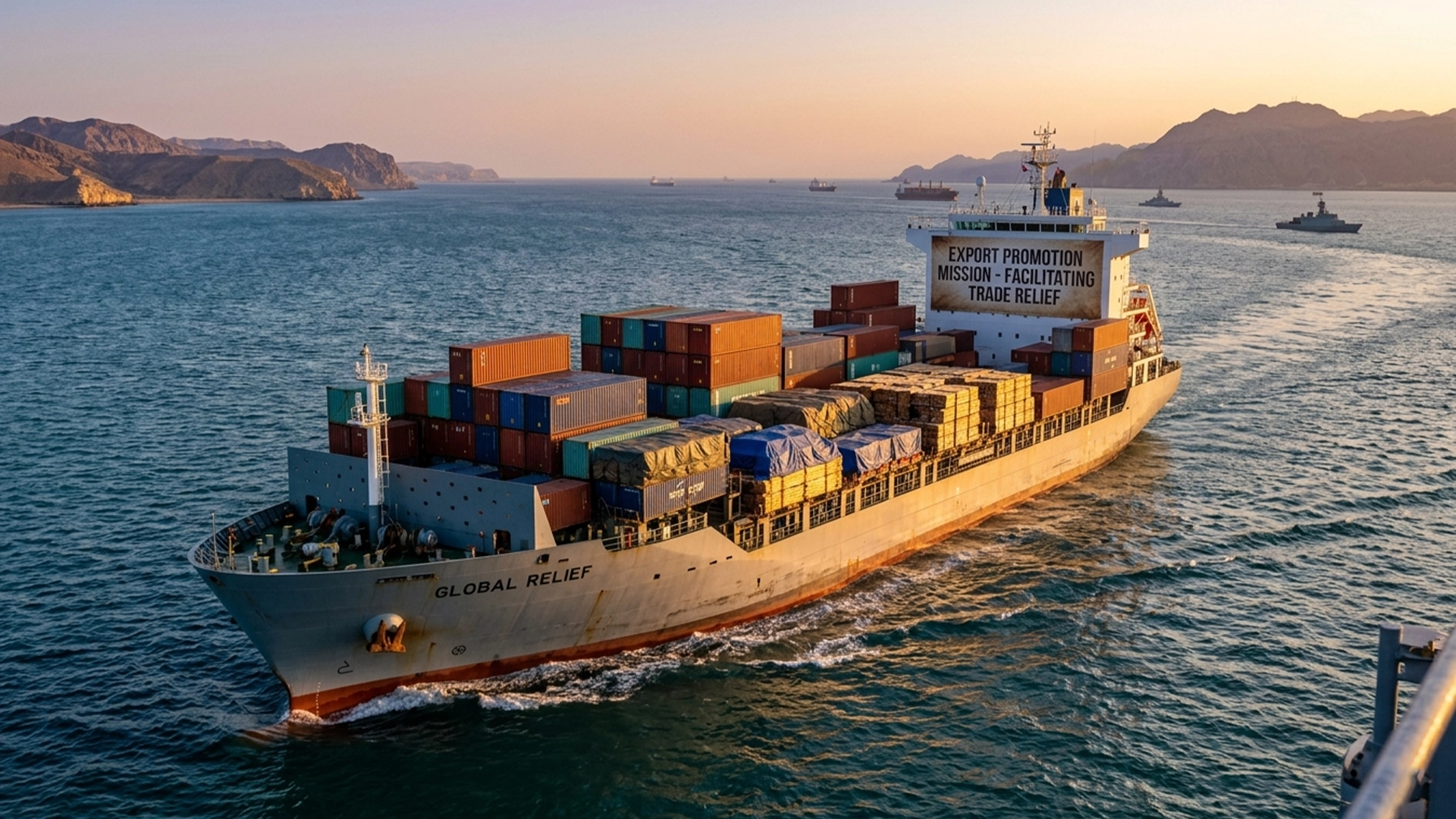
According to reports, it has been anticipated that this RELIEF scheme, rolled out under the Exports Promotion Mission initiative, will provide substantial relief to rice exporters in Haryana, since rice exporters are expected to benefit from relief amounting to approximately ₹50 to ₹60 crore. Notably, Haryana accounts for nearly 40 per cent of India's total rice exports to countries of the Gulf and West Asia. Furthermore, the conflict in the Gulf region has had a profound impact on shipping and Logistics routes, particularly the Strait of Hormuz. Not only this, but some delays and the failure of shipments to reach their destinations have also led to mounting extra charges and rising insurance costs. Significantly, exemptions are being granted on various types of levies and charges under the new relief scheme introduced by the government to support the country's rice exporters.
The govt. to provide concessions on additional shipping line charges
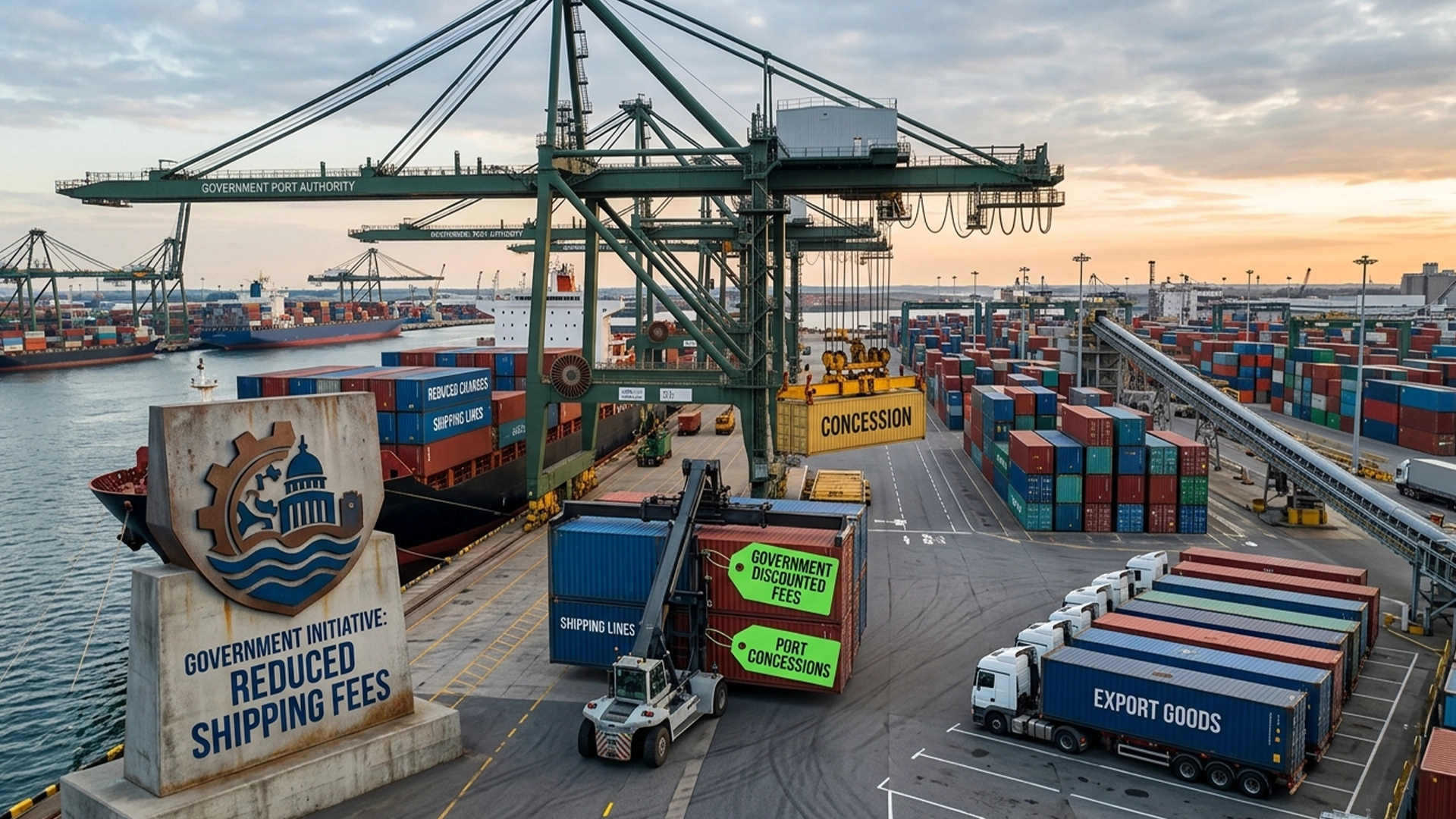
Interestingly, detention charges at Kandla Port have been waived as part of this relief package. Moreover, a large quantity of rice intended for supply to Gulf nations remains stranded at Kandla port. Regarding other relief measures, the government is also providing concessions on additional shipping line charges and demurrage fees applicable to cargo that is either stranded at foreign ports or currently in transit at sea. Meanwhile, in this critical hour of crisis exporters and experts monitoring the rice trade sector have stated that this proactive step taken by the government will provide significant relief to the rice exporting community. According to reports, under a RELIEF scheme, farmers in Haryana are likely to receive financial aid amounting to up to ₹60 crore. Applauding the government's initiative, rice traders have described it as a measure crucial for stabilizing the rice industry. They express optimism that the restoration of peace in the Gulf nations could lead to a return to normalcy in market conditions.
Rice Trade- Completely not standstill
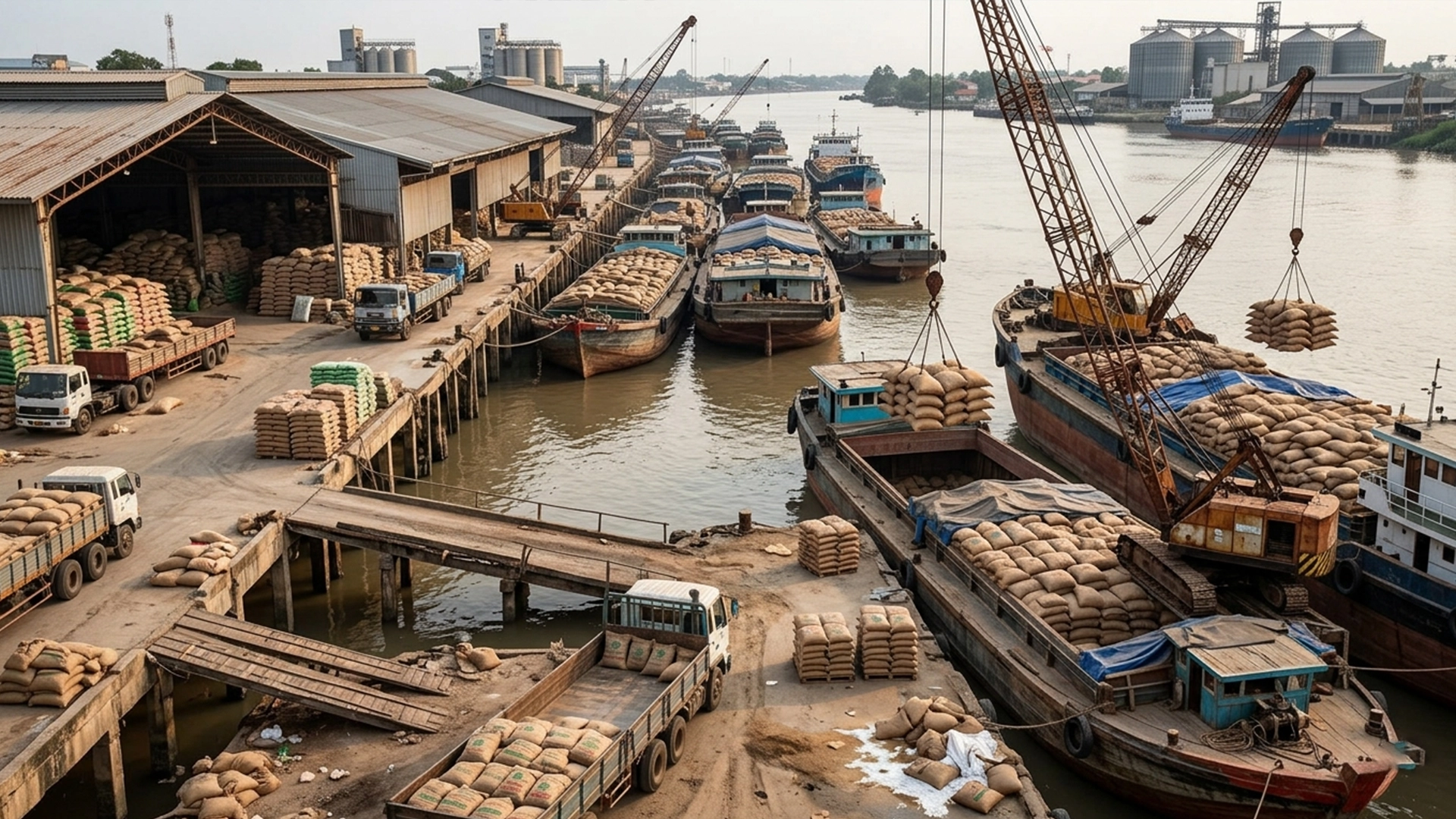
In addition, according to rice experts, while trade has not come to a complete standstill amidst the current circumstances, it has certainly faced disruptions. Undoubtedly, the Middle East is currently engulfed in conflict. Following the killing of Iran's Supreme Leader, Ayatollah Khamenei, a drastic event involving both Iran and the U.S.the geopolitical situation in the Middle East has remained volatile. The ongoing developments in the region are now visibly impacting India's rice exports to the Middle East. Specifically, the persistent tension between Iran and Israel has disrupted shipping operations. Consequently, traders dealing in Basmati rice are deeply concerned about the repercussions of this ongoing regional instability.
Iran holds strategic significance for India
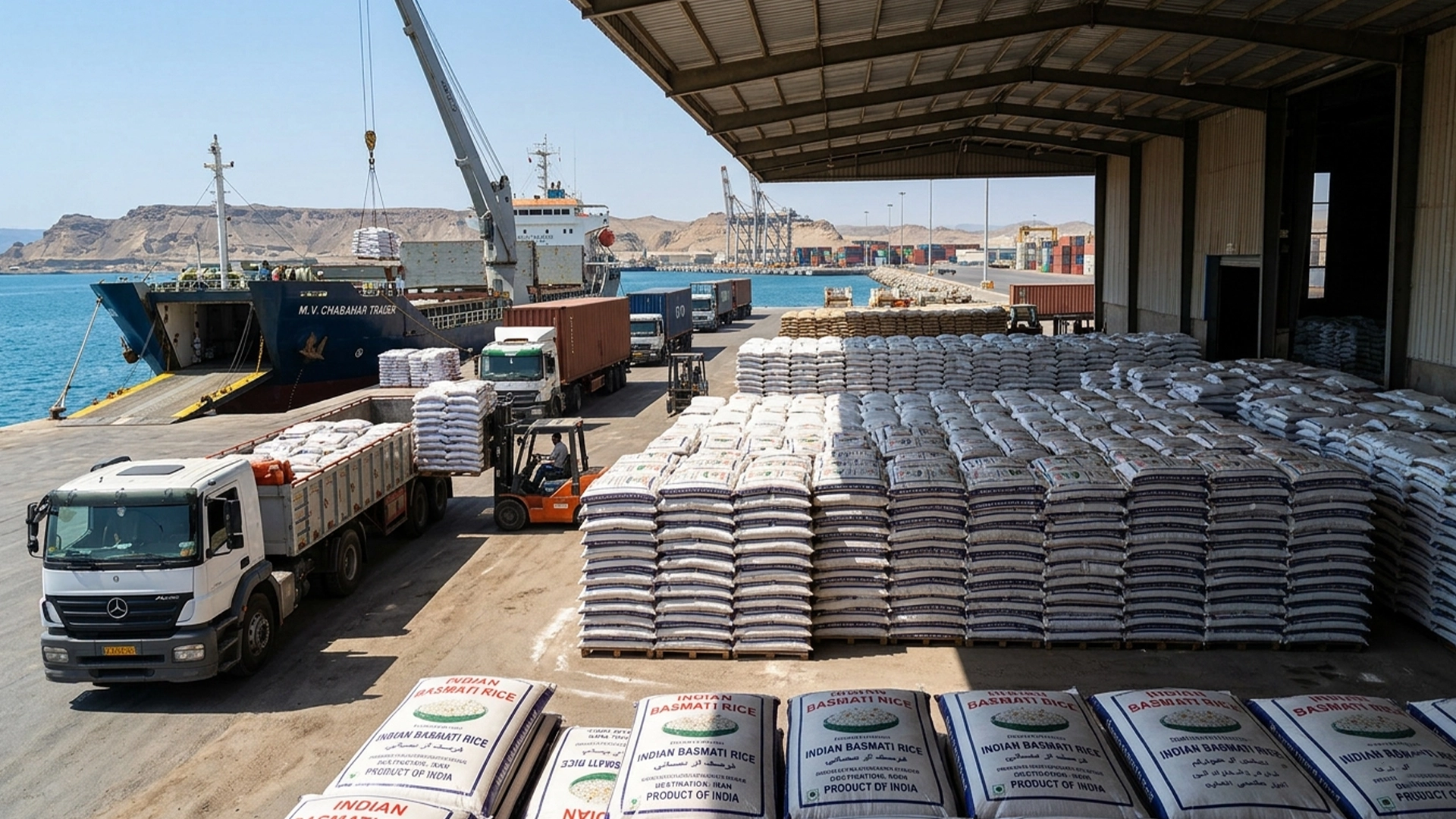
From the perspective of Basmati exports, Iran holds immense strategic significance for India. Beyond Iran, there is a robust demand for India's aromatic Basmati rice across several other countries in the Middle East. In these nations, Basmati rice is a staple ingredient used not only for preparing Biryani but also for a wide array of other culinary dishes. According to APEDA (Agricultural and Processed Food Products Export Development Authority), Iran ranks as the third-largest global importer of Basmati rice from India. During the financial year 2024–25, India exported Basmati rice worth approximately ₹6,374 crore to Iran, accounting for roughly 12.6 percent of India's total Basmati exports. Furthermore, it is worth noting that while Iran primarily imports Basmati rice from India, it also imports smaller quantities of other rice varieties, including parboiled rice. Additionally, India exports substantial volumes of both Basmati and non-Basmati rice to other Middle Eastern nations, such as Saudi Arabia, Kuwait, Oman, Iraq, and Jordan. Currently, rice exports are facing disruptions due to the prevailing circumstances. Consignments are getting stuck at ports, and payments are being held up. However, in light of the current situation, the government has taken measures to assist India's rice exporters; these include waiving detention charges at Kandla Port and providing relief from additional shipping line charges and demurrage fees applicable to cargo that is either stranded at foreign ports or currently in transit at sea.
Share this article
Article Info
Read Time
4 min read
Published
3 Apr 2026
Author
Megha Bajaj
Category
News