Pakistan Ranks as the World’s Third-Largest Rice Exporter: Is a Crisis Looming Over Indian Rice Exports?
Pakistan Ranks as the World’s Third-Largest Rice Exporter: Is a Crisis Looming Over Indian Rice Exports?
By Megha Bajaj
Pakistan has recently emerged as the world’s third-largest rice exporter. According to sources, Pakistan’s rice exports increased upto 14% in December 2025 due to a more than 50% surge in Basmati shipments. Apparently, the total exports climbed to 489,000 tonnes. It helps Pakistan to beat Vietnam as the world’s largest rice exporter for the month, after India and Thailand. Interestingly, the UAE and China were the top buyers, whereas Central Asia, especially Kazakhstan and Uzbekistan, emerged as a growing market, which reflects a shift toward direct exports rather than routing through Afghanistan. Moreover, strong demand from Bangladesh and improved competitiveness in the US market, due to tariffs on Indian rice, also supported this growth.
Despite this strong performance, exporters continue to face challenges, including limited access to Iraq and Turkiye, rising freight costs, and global competition.
Is Crisis Looming over Indian Rice Exports?
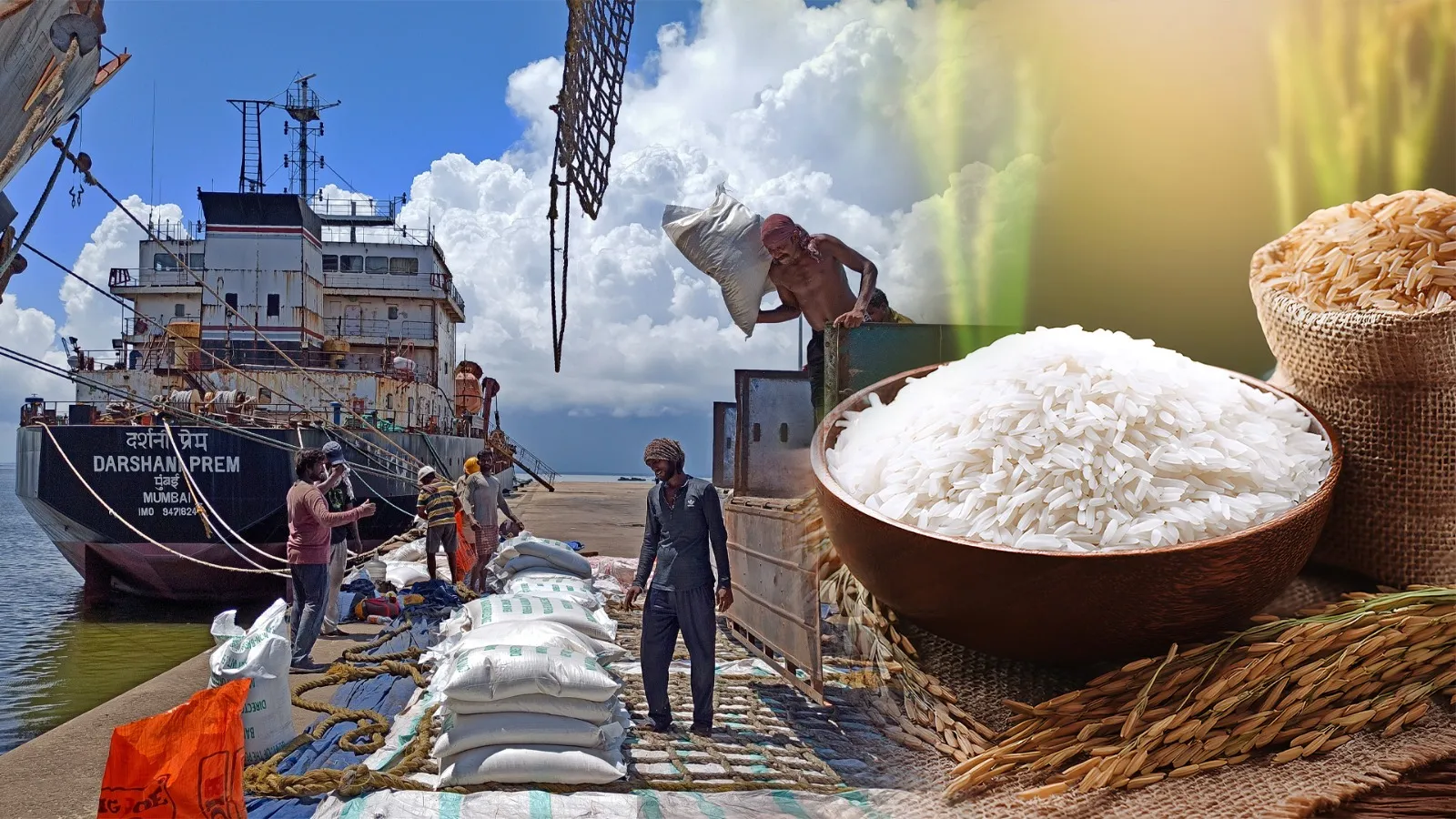
Now a question is raised here, is crisis looming over Indian Rice Exports? In 2025, India exported a total of 21.55 million tons, or more than 21.5 million tons of rice. This is 19.4% more than in 2024, and this is almost a record level, close to the 22.3 million tons of 2022. India accounts for more than 40% of the world's total rice exports, meaning that 4 out of every 10 packets of rice in the world come from India. Non-basmati rice shipments increased by 25% to 15.15 million tons, and basmati rice also increased by 8% to a record 6.4 million tons. Pakistan's rice exports of 489,000 tons in December 2025 are positive, but in terms of the whole year, India's scale is much larger. The country alone exports more than the combined exports of Thailand, Vietnam, and Pakistan.
Direct competition in Basmati rice
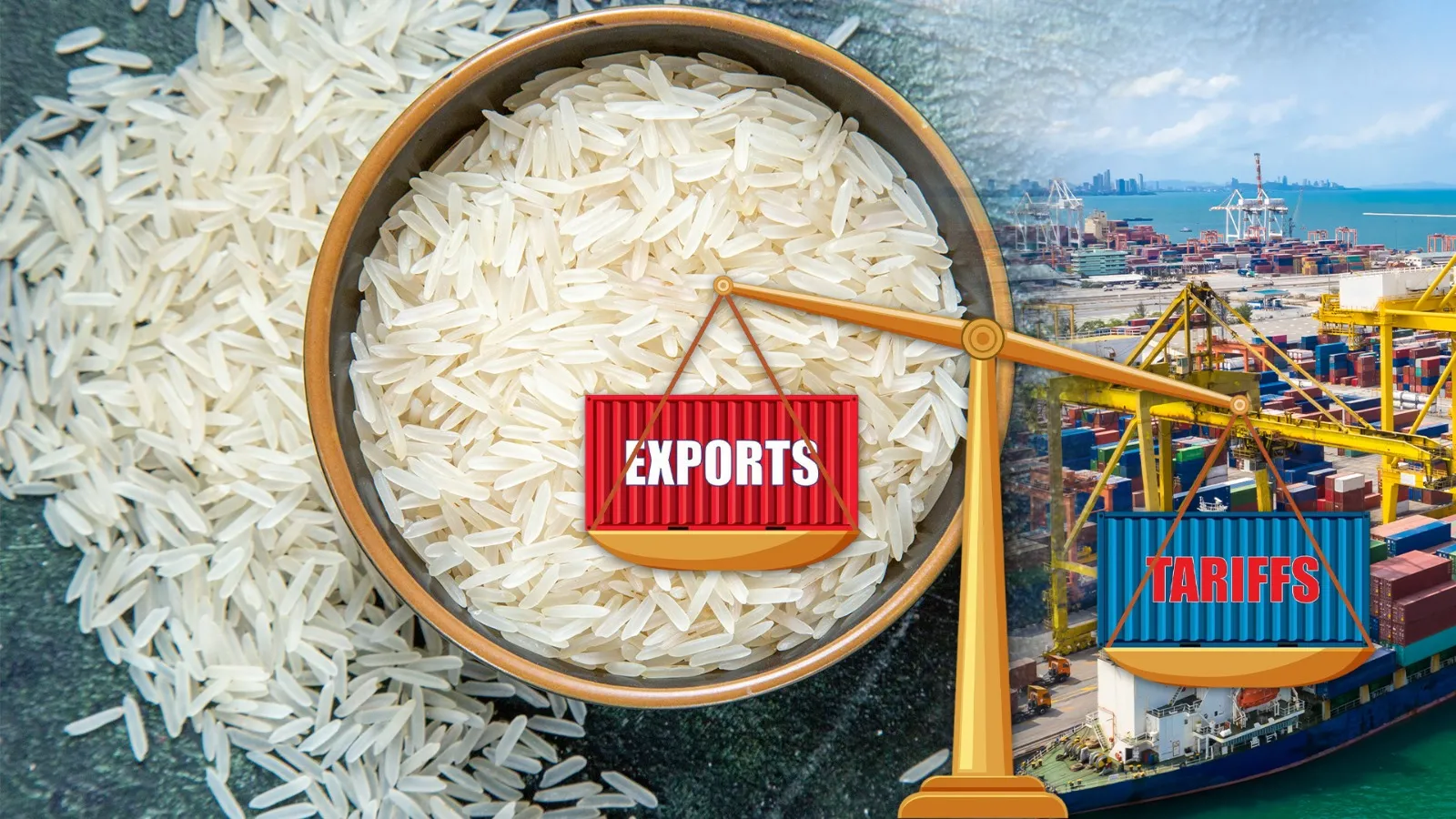
Both India and Pakistan are significant players in basmati rice. Pakistan showed a huge surge in basmati in December due to the availability of tariffs or price issues on Indian rice in some markets.
Importantly, Pakistan focused on quality and new routes, such as Central Asia.
But India had removed all restrictions on rice exports in 2024-25, now bothnon-basmati rice and basmati rice are free to trade. It leads to India's prices making competitive, and global prices fell.
Undoubtedly, Pakistan received an advantage for a few months, but in the long run, India's comeback will increase pressure on Pakistan's rice exports. For instance, in large markets such as the UAE, Saudi Arabia, and Iran, where both countries compete, it’s hard to match India's quality and volume.
What does this mean for Indian farmers and exporters?
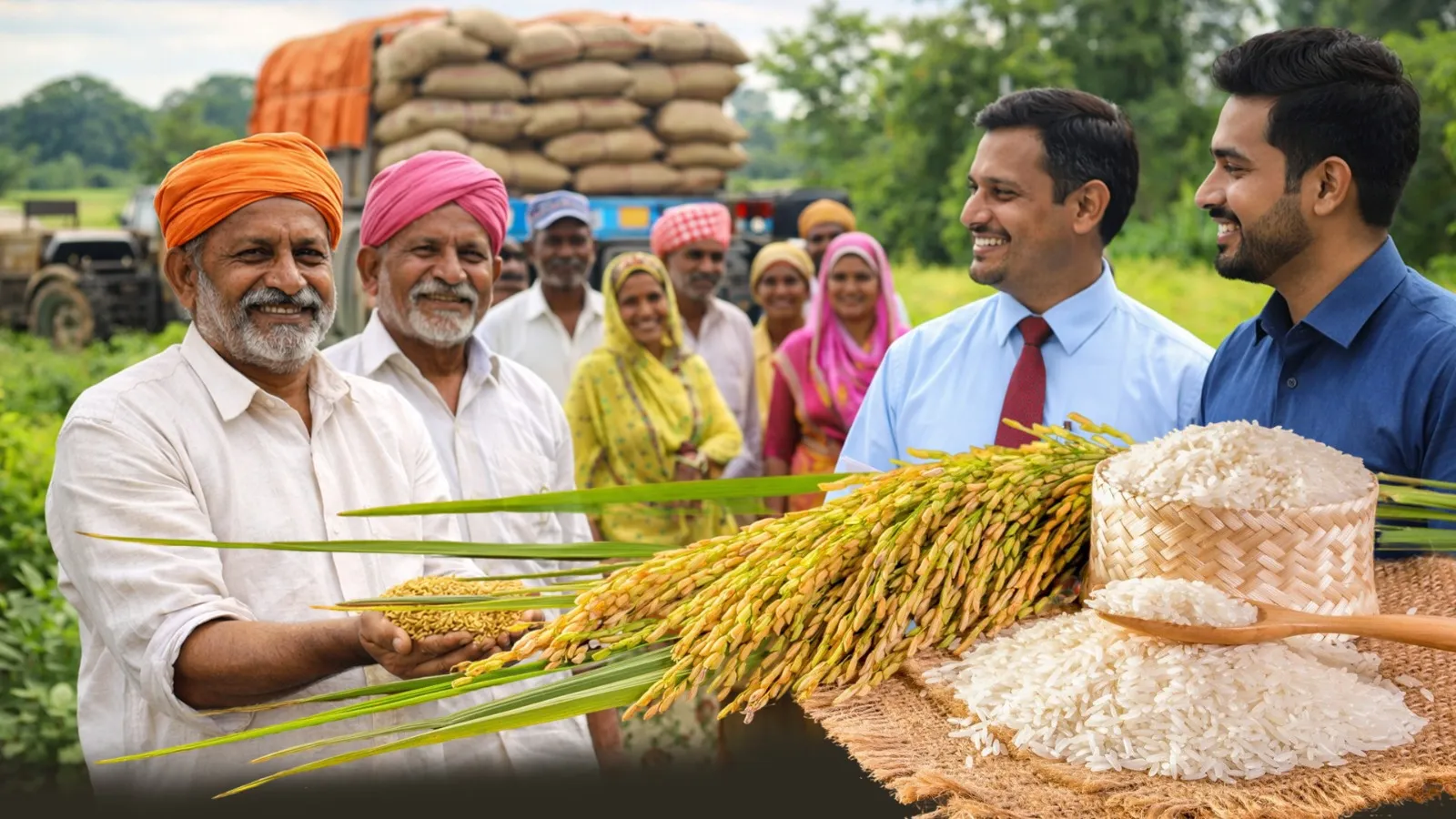
The positive news is that India's total exports are at record levels, farmers are getting good prices, and the country is earning foreign exchange. But here the challenge is that Pakistan's increasing share in the Basmati rice market could affect our premium markets (Middle East, Europe). Notably, India's strength is with large production, better infrastructure, and government support, through which rebound quickly. Competition is an important factor that forces farmers in both countries to produce better quality. But India's dominance is highly robust that one good month for Pakistan cannot change the game for the entire year.
It shows how dynamic the global rice market is. Pakistan did well, but India remains the world's number one and will continue to hold this position. However, there are still structural and competitive issues in the Pakistan ‘s agricultural export industry. These include growing shipping and logistical costs, fierce competition from other prominent rice exporters such as Thailand and India, and persistent production and policy constraints that may impact long-term export growth. Analysts warn that maintaining this position will need ongoing strategic planning and industry support despite the strong December performance.
Share this article
Article Info
Read Time
4 min read
Published
21 Jan 2026
Author
Megha Bajaj
Category
News