Rice Prices Fall As Corn Costs Surge, North Korea’s Deepening Concerns
Rice Prices Fall As Corn Costs Surge, North Korea’s Deepening Concerns

By Megha Bajaj
North Korea is highly sensitive about rice due to its importance as a staple food. Meanwhile, a report indicates that the market rice prices in North Korea have been falling since December 2025. A report that tracks regular market price surveys of rice in North Korea states that on January 4, 2026, one kilogram of rice was traded at 18,000 North Korean won in Pyongyang, which was approximately 10% lower than the price recorded in the December 7 survey and 5.8% lower than the price recorded in the December 21 survey. The survey also mentioned fluctuations in rice prices in other markets across North Korea. According to the survey, as of January 4, one kilogram of rice was traded at 17,900 won in a market in Sinuiju, North Pyeongan Province, which was 11.4% lower than the price reported at the beginning of December.
Corn prices are rising instead of rice prices
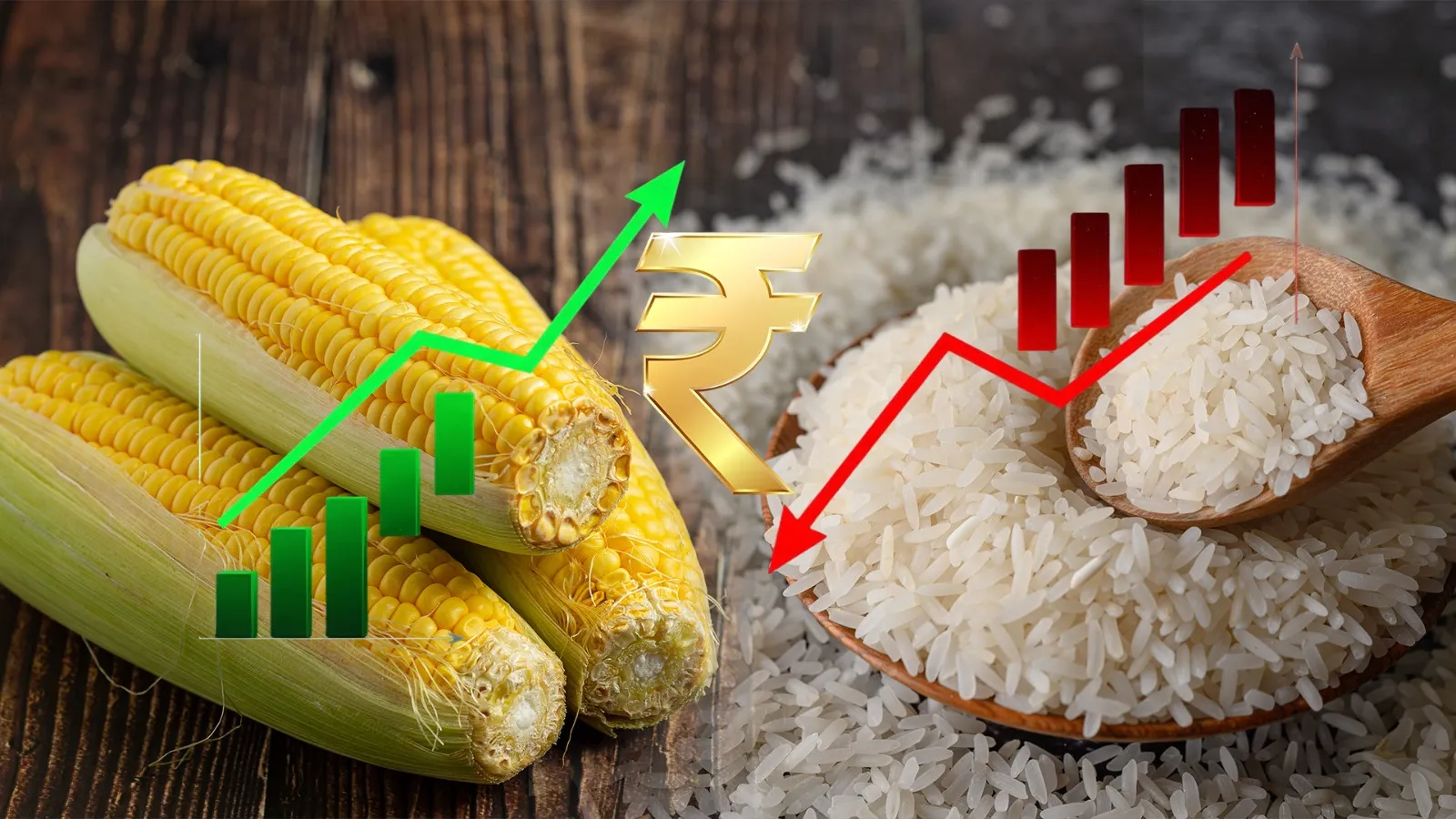
Experts believe this decline is due to this year's rice harvest entering the market in early December. Simultaneously, there has been a surge in corn prices in North Korea. This increase in corn prices is creating difficulties for the North Korean population, as corn, along with rice, is a staple food. Reports suggest that these changes in grain prices have disproportionately affected the economically vulnerable population of North Korea. Experts state the recent drop in rice prices is not providing significant relief to North Korean rice consumers since price of rice in North Korean marketplaces is currently three times higher than that of corn. Therefore, the reduction in rice prices is not expected to significantly improve the purchasing power of low-income individuals.
Sharp Increase in Foreign Exchange Rate
Furthermore, the sharp increase in the foreign exchange rate in North Korea, observed until mid-December, appears to have slowed down by the end of the month. As of January 4th, the won-to-dollar exchange rate in a Pyongyang market was reported to be 39,200, only 0.5% higher than the previous survey. In this context, North Korea primarily do rice imports from China, but during food crises, it has shown interest in purchasing rice from India. Experts interpret North Korea's contact with India, in addition to China, as a step towards reducing its dependence on China for rice. North Korea has also received rice aid from various countries from time to time. Popular rice varieties in North Korea include multi-grain rice, brown rice, black rice, and barley rice.
Surge In Corn Consumption Instead Of Rice
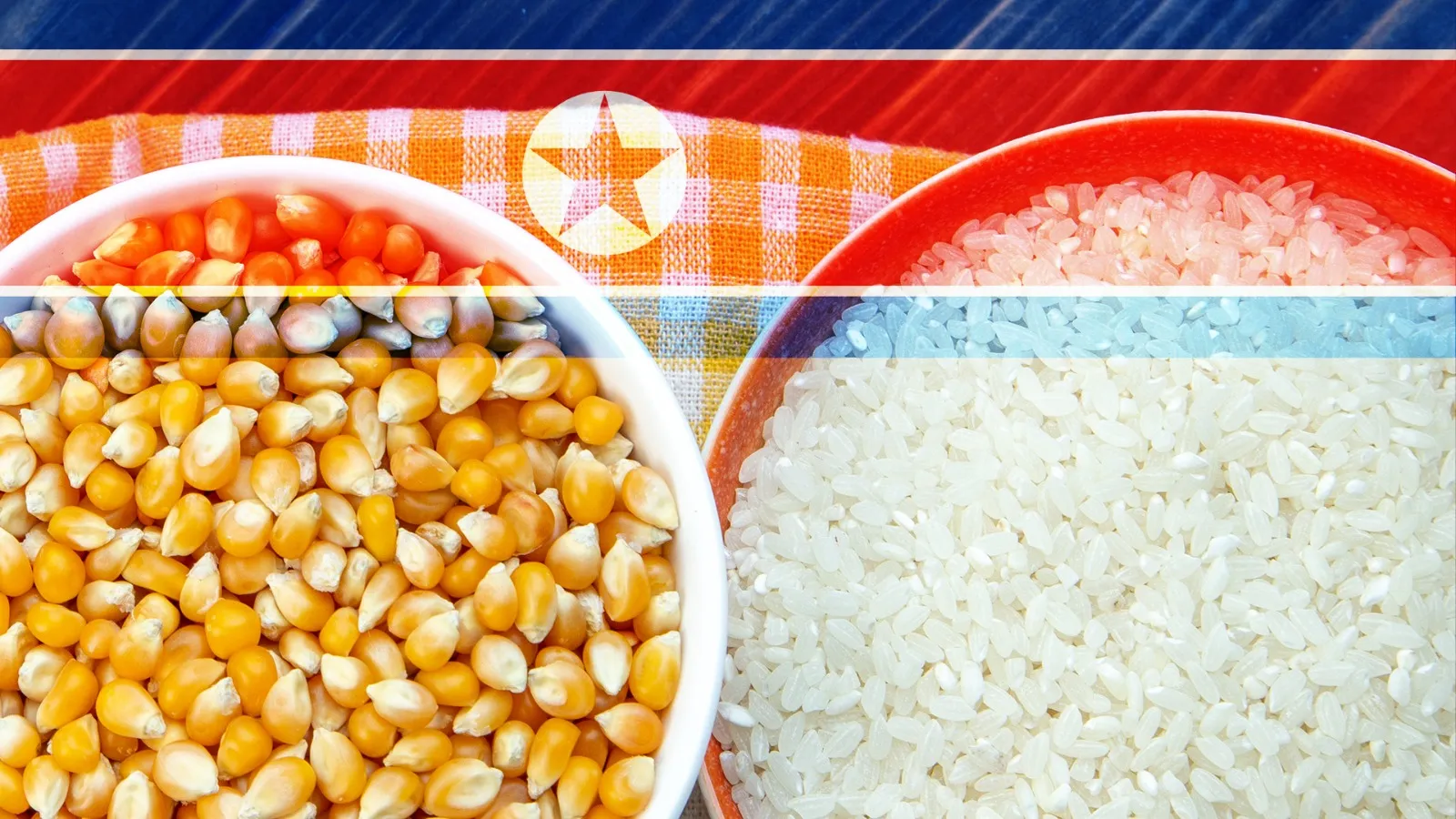
Sticky rice is also quite popular among the population. Geographically, approximately 80 per cent of North Korea is mountainous, and only about 14 per cent of its land is arable. The growing season for crops is also short during the summer. Due to limited arable land and a short growing season, there has been a surge in corn consumption instead of rice, and the current higher price of corn compared to rice has further impacted the pockets of the population. North Korea is also seen attempting to improve its rice production, adopting techniques such as the system of rice Intensification. This technique aims to achieve higher yields with fewer seeds. Regarding rice grown in North Korea, one variety cultivated there is Cheorwon Ode rice, a high-quality, firm-textured white rice. This rice is also known for its purity. Rice is therefore quite important to North Korea. However, North Korea is forced to rely on rice imports to meet its rice consumption needs due to the numerous challenges it faces in domestic rice production.
https://www.youtube.com/watch?v=HlvesBtWRuQShare this article
Article Info
Read Time
3 min read
Published
19 Jan 2026
Author
Megha Bajaj
Category
News