From Pakistan Ranking as the World’s Third-Largest Rice Exporter to Indian Millers Hailing Bangladesh’s Rice Import Move: Today’s Top Rice News
From Pakistan Ranking as the World’s Third-Largest Rice Exporter to Indian Millers Hailing Bangladesh’s Rice Import Move: Today’s Top Rice News
By Megha Bajaj
Pakistan Emerges As The World’s Third-Largest Rice Exporter In December
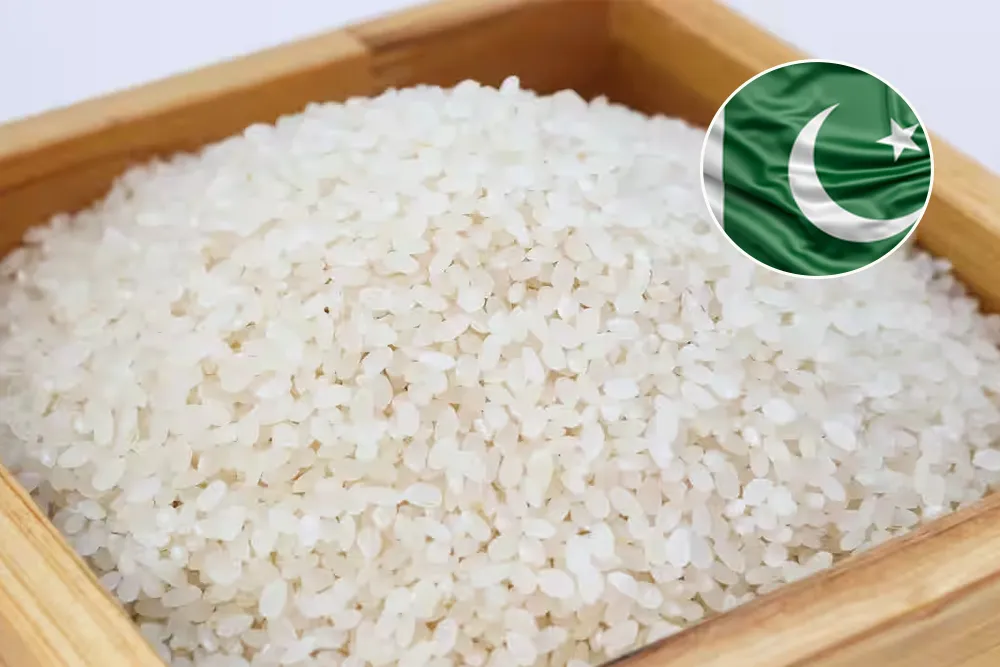
According to sources, Pakistan’s rice exports increased upto 14% in December 2025 due to a more than 50% surge in Basmati shipments. Notably, total exports climbed to 489,000 tonnes. It helps Pakistan overtake Vietnam as the world’s largest rice exporter for the month, after India and Thailand. Interestingly, the UAE and China were the top buyers, whereas Central Asia, especially Kazakhstan and Uzbekistan, emerged as a growing markets, which reflects a shift toward direct exports rather than routing through Afghanistan. Moreover, strong demand from Bangladesh and improved competitiveness in the US market, due to tariffs on Indian rice, also supported this growth. Despite this strong performance, exporters continue to face challenges, including limited access to Iraq and Turkiye, rising freight costs, and global competition. However, there are still structural and competitive issues in the agricultural export industry. These include growing shipping and logistical costs, fierce competition from other prominent rice exporters such as Thailand and India, and persistent production and policy constraints that may impact long-term export growth. Analysts warn that maintaining this position will need ongoing strategic planning and industry support despite the strong December performance.
India Looks For New Basmati Rice Markets As Iran Unrest Disrupts Exports
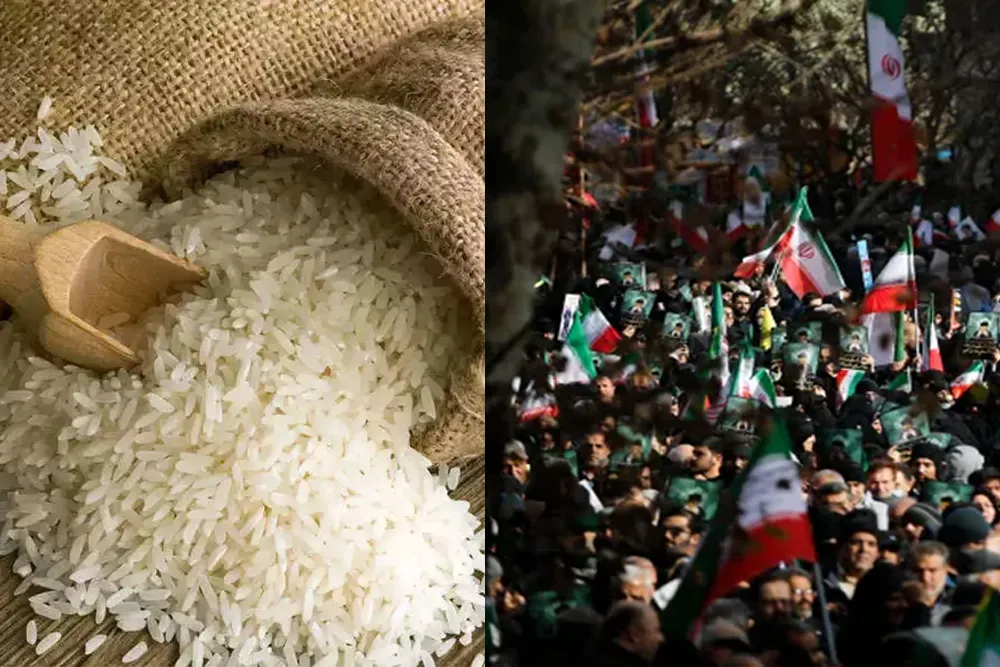
Recently, India’s Basmati rice exports to Iran have been disrupted by political unrest, economic instability, inflation and the US tariffs. Furthermore, Indian rice exporters are also facing payment delays and stalled shipments worth over Rs 1,500 crore ($167 million). Undoubtedly, Iran used to be a significant buyer of Indian Basmati rice. According to data, in 2018-19, Iran accounted for more than 33% of India’s basmati exports, but this figure is declining due to Iran’s weakening economic situation. India’s basmati rice exports to Iran decreased from approximately 1.48 million metric tons in 2018-19 to slightly over 850,000 metric tons in 2024-25. These figures illustrate how Iran’s deteriorating economic condition has impacted its purchase of basmati rice from India. In the midst of all this, India is now looking for alternative markets in Africa, West Asia and Europe to mitigate risks and maintain export revenue. Notably, Africa, especially Nigeria, presents significantly plethora of opportunities, importing nearly a million tonnes of rice annually. It enables India to diversify its exports and leverage its surplus production.
China Delivers First Batch Of Emergency Rice Aid To Cuba
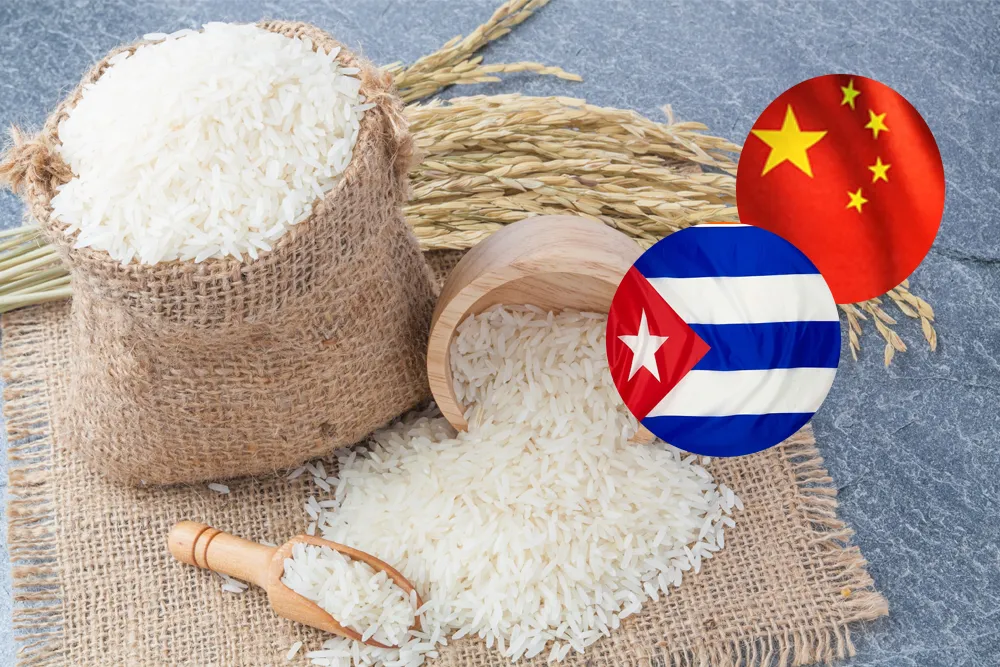
China has initiated the delivery of emergency rice of 30,000 tonnes to Cuba under the Emergency Food Assistance Program. Notably, the first batch was handed over at a Cuban grain warehouse, with the second batch already at Santiago de Cuba port. Cuban Officials extended their thanks to China for its support. Interestingly, the handover ceremony for the first batch of rice was held on Monday local time at a grain transit warehouse of Cuba’s Ministry of Domestic Trade. Not only this, but the delegates present at the meeting highlighted the deep friendship between the two countries. In addition, to food aid, the two sides have carried out extensive cooperation in areas such as energy, achieving rapid and effective progress. Interestingly, the total volume of rice assistance under this program amounts to 30,000 tons. The First batch was delivered on Monday, the second batch has already arrived smoothly at the port of Santiago de Cuba, and subsequent batches are set to be shipped shortly.
Indian Millers Hail Bangladesh’s Fresh 2L Tonnes Rice Import Move
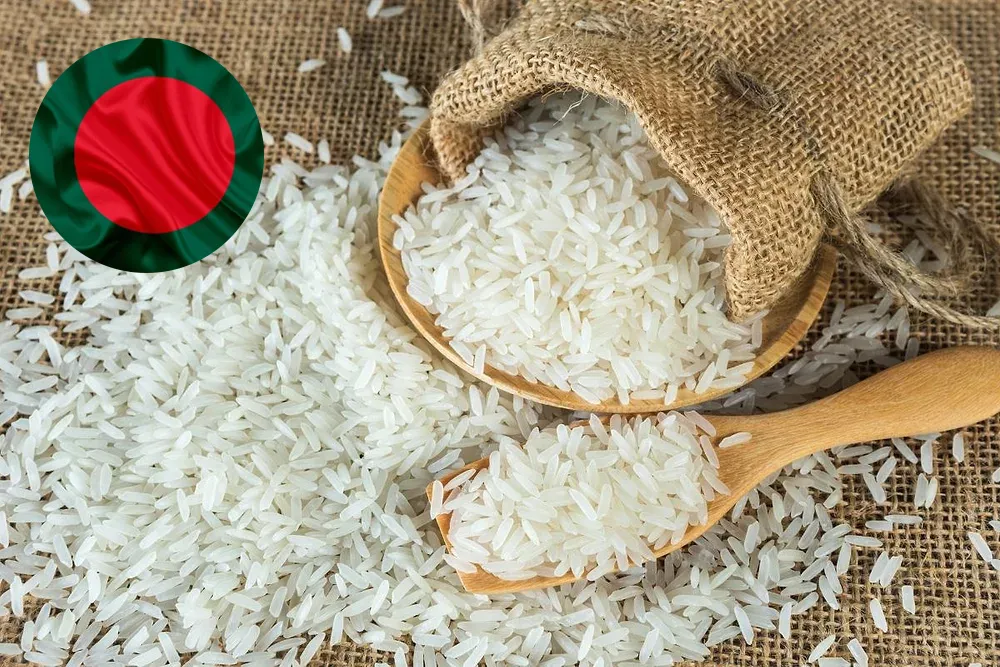
In a significant development regarding rice sector, Indian rice millers and exporters have welcomed Bangladesh’s decision to allow private sector imports of an additional 2 lakh metric tonnes of parboiled rice, stating that the move opens up fresh export opportunities, especially for suppliers, in eastern and southern India. Notably, Industry Representatives stated that Dhaka has permitted 232 private companies to do rice imports by March 10, 2026, as part of efforts to stabilise domestic prices amid a sharp rise in fine and steam rice varieties. The fresh allocation adds to Bangladesh’s broader import plan announced in August 2025 to bring in nearly 9 lakh metric tonnes of rice during 2025-26 fiscal year, intending to rebuilding stocks after flood related crop losses. As per notifications issued by Bangladesh’s Ministry of food, the permitted imports consist entirely of non-aromatic parboiled rice with a maximum of 5 per cent broken grains. Rice importers have been instructed to sell the price in original sacks and report import, storage and sales details to district food controllers to prevent hoarding. Of the total 9 lakh metric tonnes planned for import in FY26, around 5 lakh tonnes have been allocated to private traders. Whereas the remaining 4 lakh tonnes will be sourced through government to government agreements and international tenders. According to Exporters, India continues to be Bangladesh’s most cost-effective supplier, with Indian white rice priced at USD 351-360 per tonne, compared to around USD 395 per tonne offered by Pakistan. Apparently, India’s rice exports rose 19.4 per cent in 2025 to 21.55 million metric tonnes.
Share this article
Article Info
Read Time
5 min read
Published
21 Jan 2026
Author
Megha Bajaj
Category
News