Japan Rice Buyback: Is This a Boost for India Rice Exports?
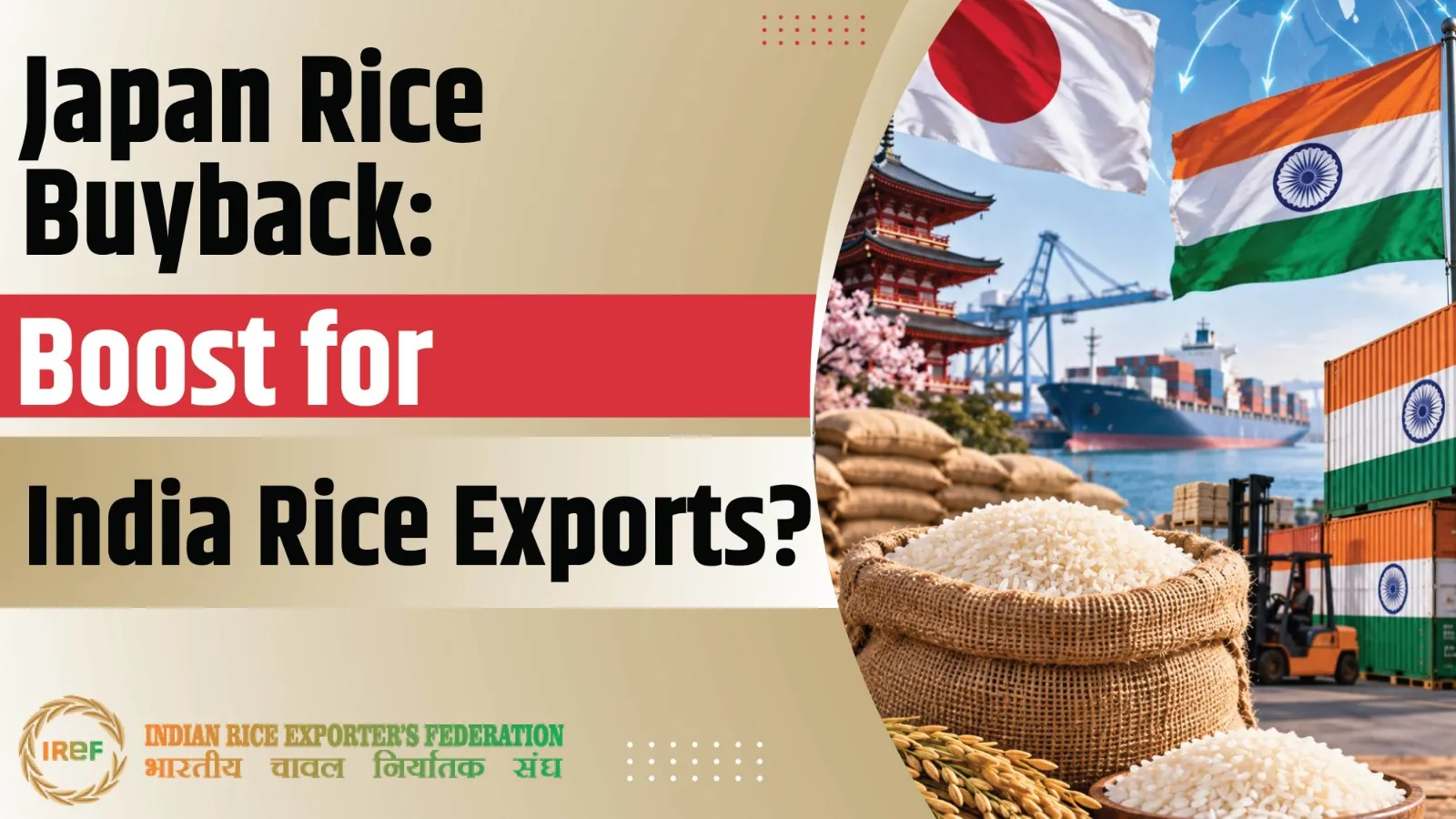
Japan is moving to rebuild its government rice stocks by buying back around 2.1 lakh tonnes of rice after releasing nearly 5.9 lakh tonnes of emergency supplies into the market since 2025. The move comes as Japan expects adequate domestic availability and has raised its 2026 rice production forecast to between 7.35 million and 7.54 million tonnes. This could also have implications for rice exports from major producing countries such as India.
Why Japan’s Rice Buyback Matters for Indian rice exports?
Japan’s decision is more than a domestic food policy move. It shows that governments across Asia are becoming increasingly cautious about food security. Maintaining a strategic rice reserve can help countries deal with supply disruptions, bad weather, sudden price increases and unexpected shortages.
For India, this trend could create opportunities in international markets. India has a large rice production base and remains an important supplier to global markets. Between November 2025 and March 2026, India exported around 4.79 million tonnes of rice to 26 priority markets, highlighting continued overseas rice demand and the strength of India's rice exports.
If more Asian countries begin increasing their government stocks, global demand for rice could rise. This could potentially benefit Indian rice exporters, create new opportunities for rice exports and support farm incomes.
But There Is a Catch
Japan's 2.1-lakh-tonne purchase does not automatically mean it will buy more Indian rice. The primary purpose of the programme is to rebuild Japan's domestic government reserves. Therefore, the immediate impact on India's rice exports may be limited. The bigger significance is the changing approach to food security.
Rice is increasingly being viewed not simply as an agricultural commodity, but as a strategic food reserve. Countries may want to maintain larger stocks to protect consumers from supply shocks and volatile rice prices.
What It Means for India
India could benefit if the trend toward higher rice stocks and government reserves spreads across Asia. More demand could open opportunities for exporters, farmers and rice-producing regions.
However, India will also need to balance exports with domestic requirements. Maintaining sufficient buffer rice, stable prices and adequate supplies for Indian consumers will remain important.
Japan's move therefore sends a wider message: food security is becoming a bigger priority, and India could play an important role in meeting Asia's future rice needs.
Share this article
Article Info
Read Time
2 min read
Published
7 Sept 2026
Author
Megha Bajaj
Category
News