Basmati Rice Exports Turn Fragile and Fluctuating Amid Middle East Crisis
Amid war in West Asia, countries like Vietnam and Thailand, having rice surpluses, witnessed no change in their export rates. On the other hand, a threat is looming over the rice supply situation in the Middle East, particularly basmati rice, as the war has severely impacted Indian basmati rice exports to the Middle East.
Nearly 400,000 tons of basmati rice are reportedly stuck in ports
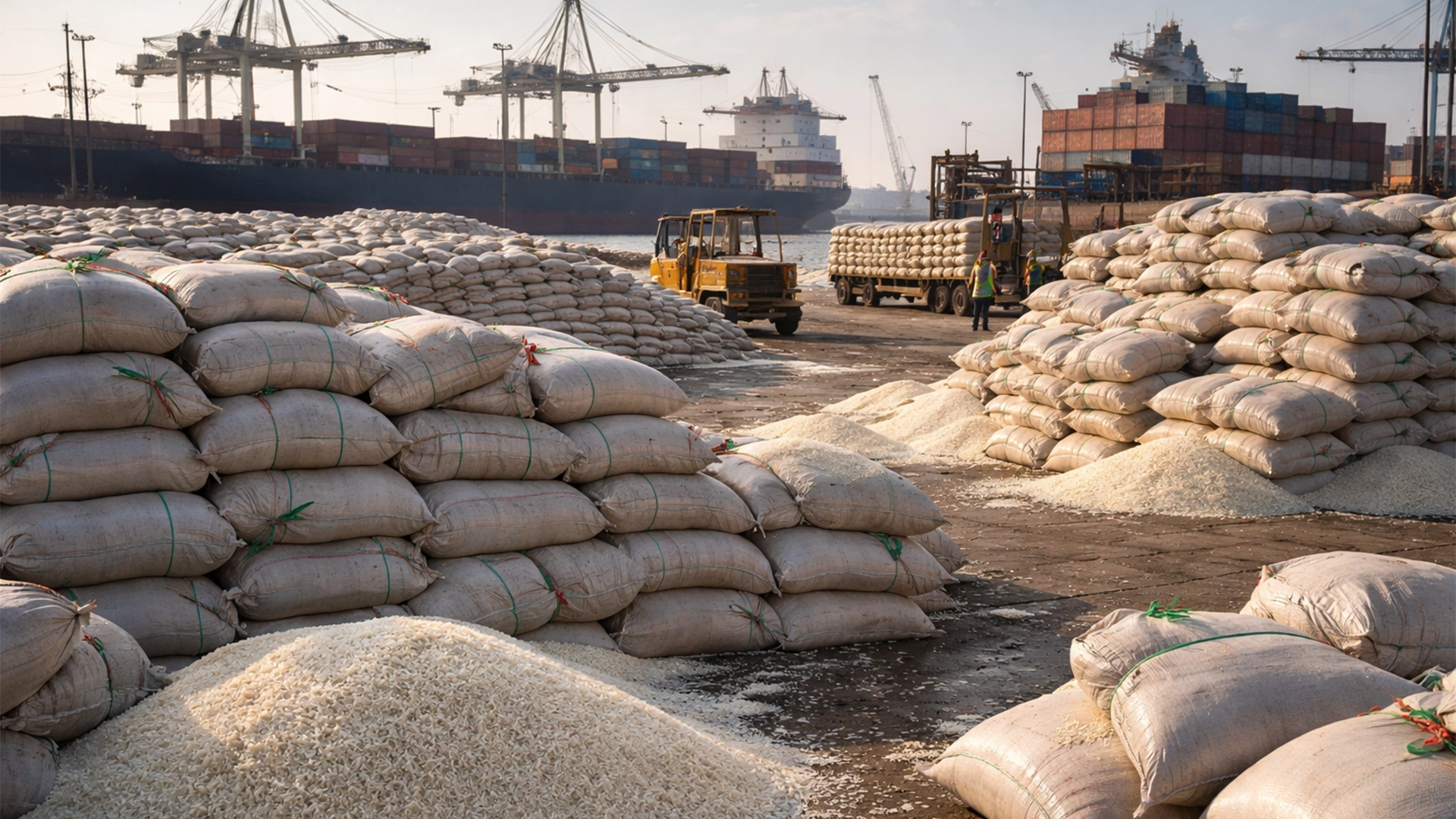
India's 5% broken parboiled rice variety was trading at $348-$353 per metric ton, compared to $350-$356 last week. Meanwhile, the price of 5% broken rice from India was recorded at $346-$351 per metric ton. While observing the recent changes in Indian rice prices, a rice trader said: "We are passing on the benefits of the rupee depreciation to foreign buyers, but demand remains sluggish." According to reports, the rupee's weakness has increased traders' margins on foreign sales. Notably, the Middle East War crisis has become the reason why approximately 400,000 tons of basmati rice are reportedly stuck in ports and transit. Export deals have been halted because freight rates have more than doubled compared to the US.
Fragile and fluctuating rice trade amid the Middle East war
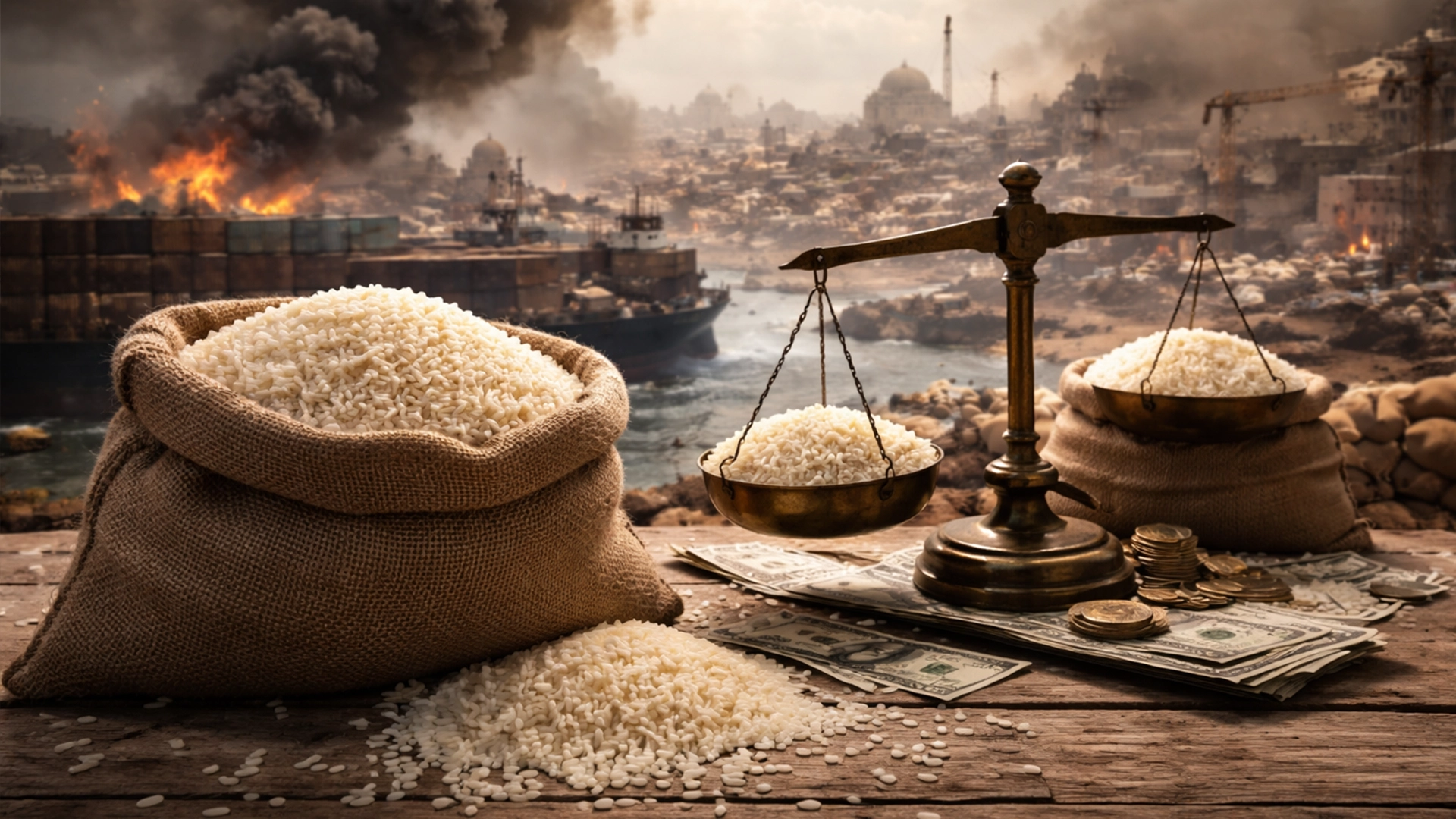
Another major rice exporter, Vietnam's 5% broken rice is being offered at $360-$365 per ton. A trader in Ho Chi Minh City, Vietnam stated that trading activity in the rice trade remains weak at present, and that buyers are awaiting lower prices. He explained that domestic supply continues to increase, and while the situation in the Middle East hasn't directly impacted shipments from Vietnam to African countries, the significant increase in shipping costs to Africa due to higher insurance and fuel costs has also come to light.
Shipping through the Strait of Hormuz affected
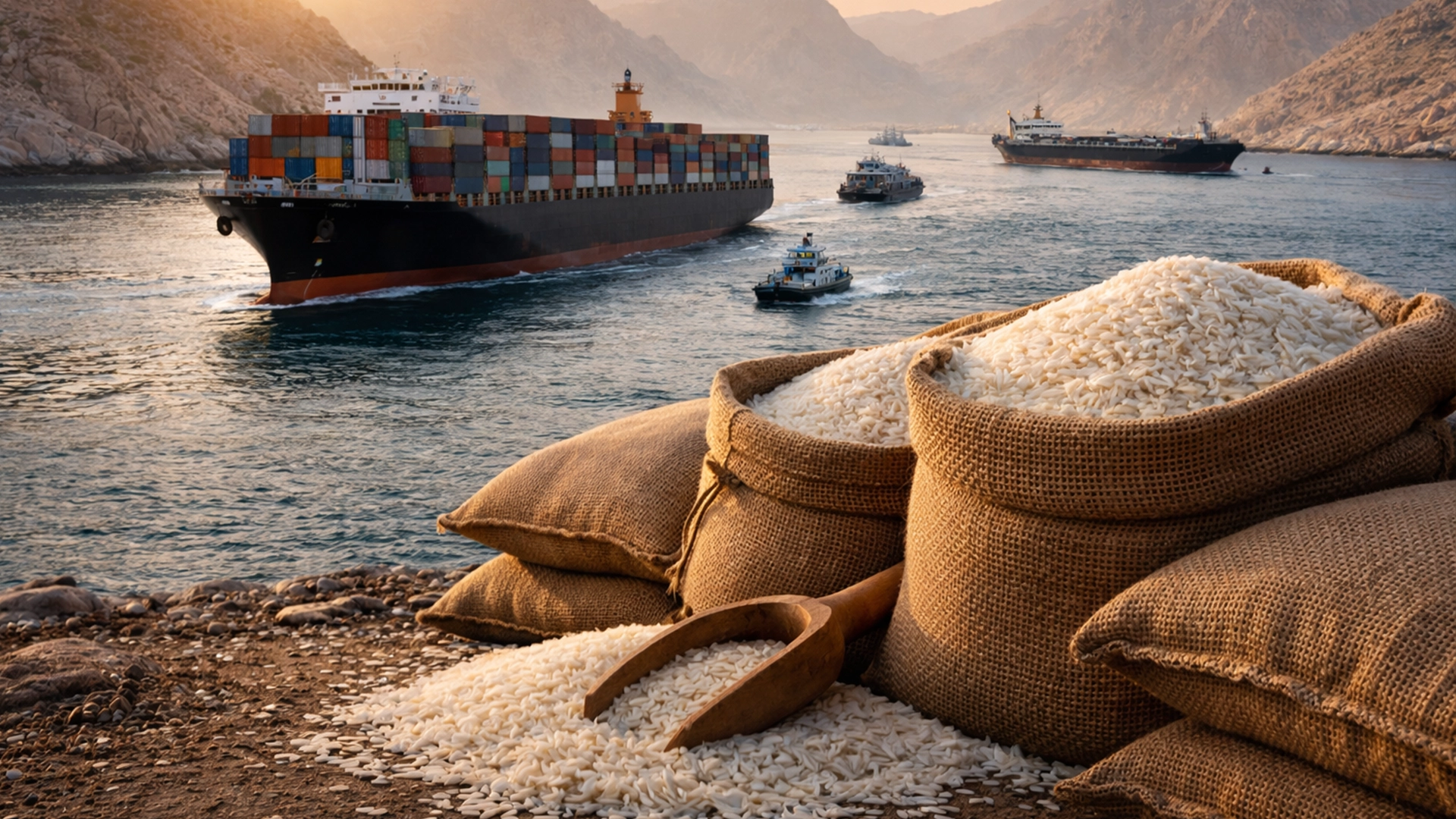
Recently, the US attack on an Iranian warship near Sri Lanka has further escalated the US-Israeli war against Iran, halting shipping through the Strait of Hormuz. Meanwhile, global grain trader Bunge is reportedly exploring alternative shipping routes amid the pathetic situation in the Middle East. Preliminary shipping data from Vietnam shows that over 382,000 tons of rice were loaded at ports in southern Vietnam in February, most of which was destined for the Philippines and Africa. However, apart from India, Vietnam and Thailand, other countries that typically export large quantities of rice to the Gulf countries, including Iran, have faced difficulties in exporting rice. Consequently, rice exports are currently under more pressure than last year. Before the recent situation in the Middle East, India's rice exports to other significant exporters had begun to increase, and prices were also performing well, but the situation has changed drastically in the last 10 days.
Considering the current situation in the Middle East, the Middle East is a prominent destination for India in terms of rice exports, especially for the export of Basmati rice. Notably, war crisis exist among some nations of Middle East. India's aromatic Basmati rice is in high demand in Iran and many Middle Eastern countries. In the 2024-25 fiscal year, India exported approximately ₹6,374 crore worth of Basmati rice to Iran, representing approximately 12.6% of total exports.
Middle East War crisis current situation is hindering rice exports since rice sacks are stuck at ports and payments are delayed. Consequently, rice exporters are facing significant difficulties and caution in sending their rice shipments to Iran and Gulf countries. Simultaneously, news has emerged that this week's rice exports and export price data shows that India's rice export surplus and the rupee's depreciation have led to a decline in Indian rice export prices. However, rice prices from Vietnam and Thailand remained the same as last week.
Share this article
Article Info
Read Time
1 min read
Published
10 Mar 2026
Author
Megha Bajaj
Category
News