Top Rice News: Rice Benefit, Prices and Organic Cultivation
Top Rice News covers Odisha's ₹48 lakh ABS benefit-sharing payout, increasing rice prices in the South India due to drought concerns, and Balangir farmers launching organic rice cultivation for the Jagannath Temple under the Amruta Anna Scheme. Significantly, the latest updates highlight key developments in rice conservation, market trends, sustainable farming, and government initiatives supporting India's agricultural and food security landscape.
Odisha Receives ₹48 Lakh in Rice Benefit-Sharing Payout
In a major boost to conservation efforts in one of India's major rice-producing states, Odisha has received Rs 48,09,040 as part of a substantial access and benefit-sharing (ABS) disbursement by the National Biodiversity Authority (NBA). Significantly, the total amount of Rs 8.22 crore-one of the largest single ABS payouts for rice-was released to research institutions and 33 State Biodiversity Boards and Union Territory Biodiversity Councils after an international seed company utilised Indian rice varieties to develop commercial hybrids. Moreover, the funds originated from M/s Pioneer Overseas Corporation, which accessed Indian Oryza sativa varieties conserved and shared by research bodies.
The overall sum, Rs 2.47 crore, went to the institutions that provided the germplasm: the ICAR-Indian Institute of Rice Research in Hyderabad received Rs 2.43 crore, whereas Govind Ballabh Pant University of Agriculture and Technology in Uttarakhand got Rs 3.26 lakh. Particularly, the remaining Rs 5.75 crore was distributed to states and union territories in proportion to their rice-growing areas, as recorded on the Unified Portal for Agricultural Statistics of the Ministry of Agriculture and Farmers Welfare.
How Drought Fears Push Rice Prices Higher Across South India
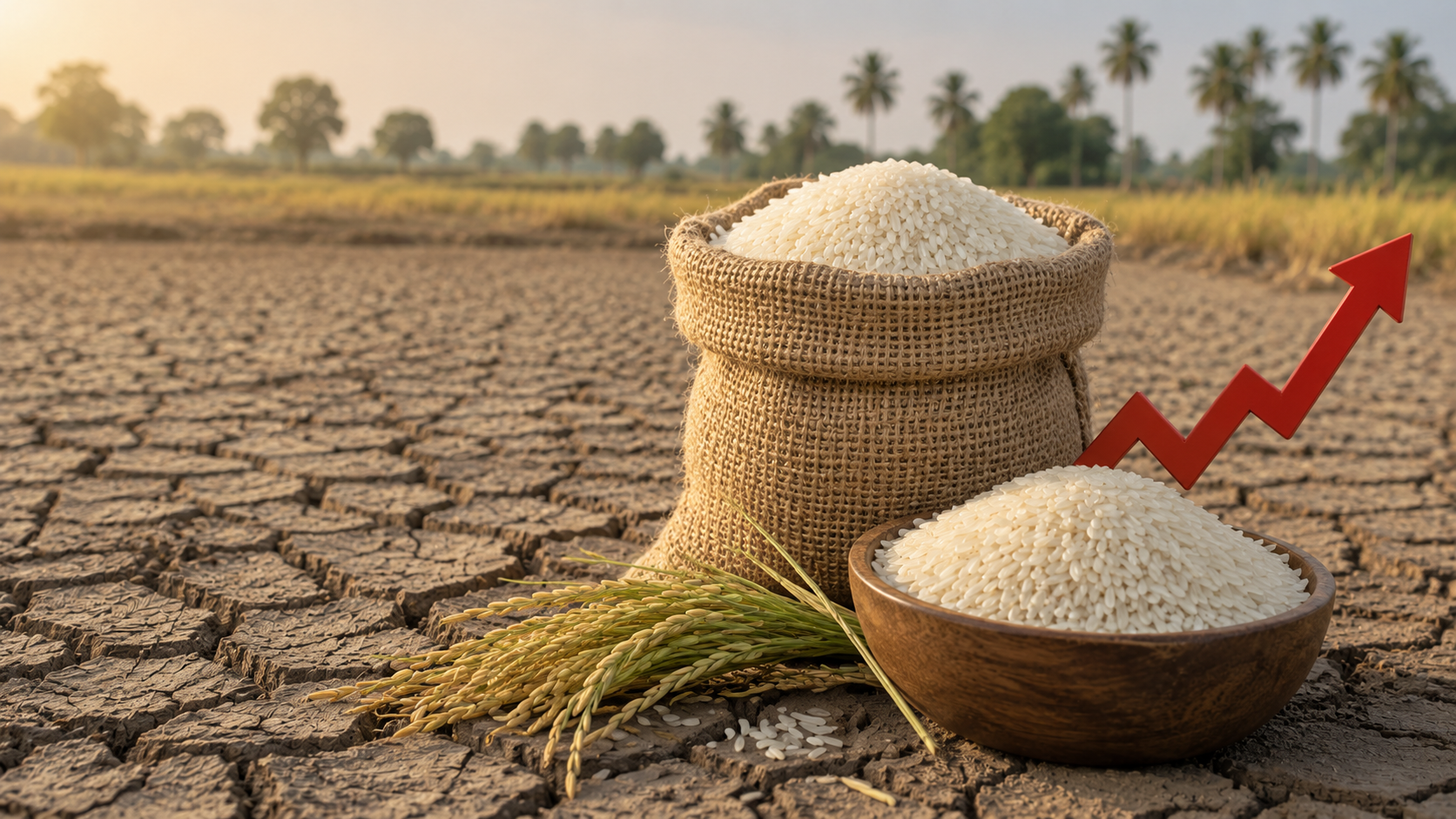
According to reports, rice prices have increased sharply in most of southern states along with the rates of the staple food up by 10 to 15 % per kilogram in all varieties. It has put a dent in household budgets and pushing monthly grocery bills higher. Notably, the price hike is due to severe El Nino related weather conditions, significant rainfall deficit and hoarding by private stockholders. Traders and commercial holders have increasingly stockpiled fine rice varieties and anticipated lower future production due to poor rainfall. It is tightening the open market supply and driving prices even higher. As per market sources of Andhra Pradesh, prices of all fine rice varieties such as popular old fine varieties such as HMT, Jaisriram, BPT, RNR and Samba Masoori, have increased by 10% to 20% over the past couple of months.
Not only this, Kerala is also witnessing a steep rise in rice price as the Onam festival season approaches. In addition, the retail industry sources stated that the price of common rice brands suddenly risen by Rs 7 per kilogram. As the Onam shopping set to begin in the coming weeks, traders warned of further price hikes and possible black marketing.
Balangir Farmers Begin Organic Rice Cultivation for Jagannath Temple Under Amruta Anna Scheme
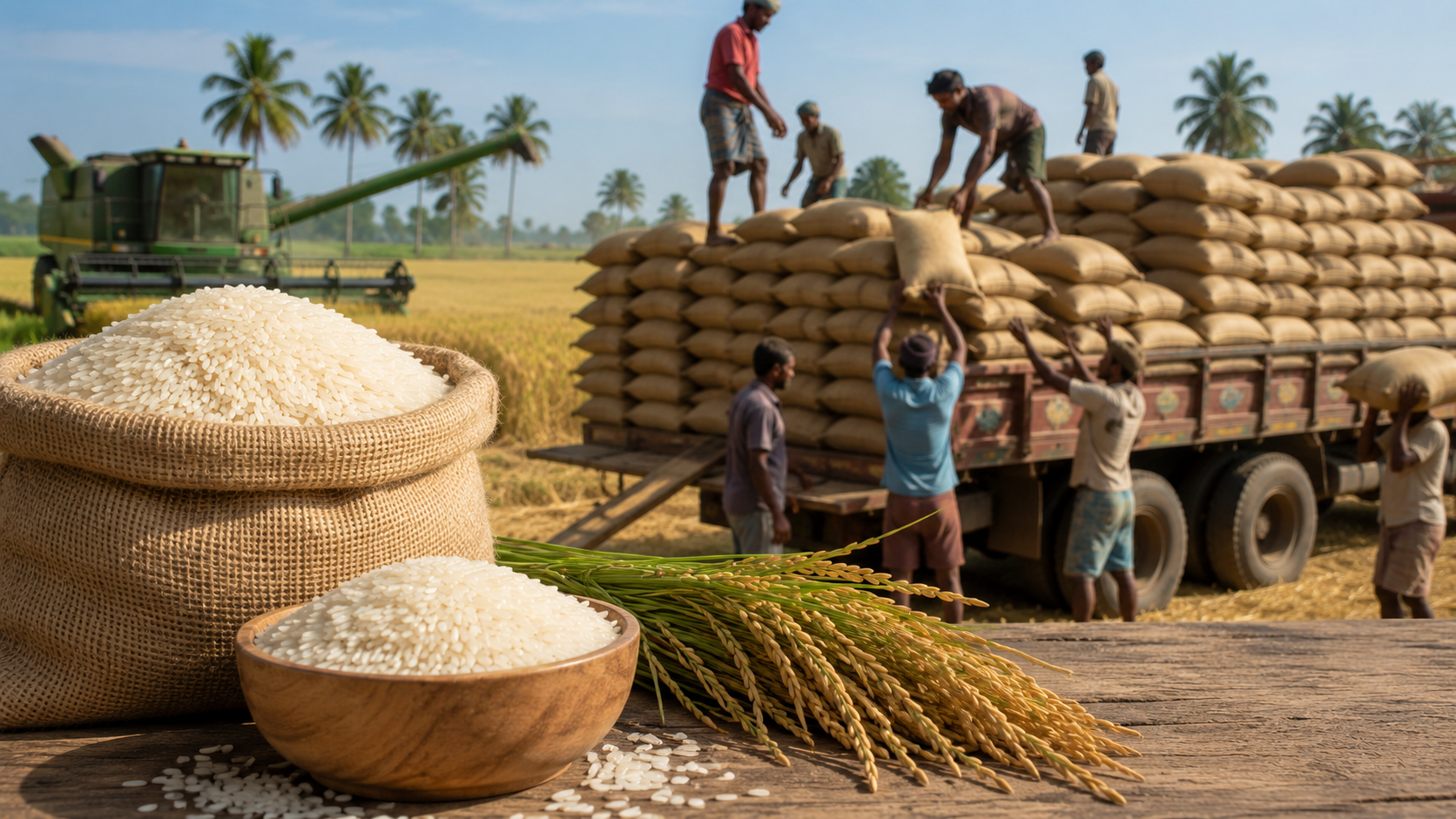
Farmers in Odisha's Balangir district have rolled out organic rice cultivation under the state's Amruta Anna Scheme to produce chemical-free paddy for use in the Shree Jagannath Temple at Puri. Moreover, the initiative aims to ensure that rice used for preparing the temple's sacred Mahaprasad is grown with no synthetic fertilizers or pesticides which would preserve its purity and quality. The programme is being implemented with support from the Agriculture Department, which is offering farmers with technical guidance, training, organic inputs, and market linkages. Notably, the scheme seeks to improve soil health, reduce dependence on chemical farming, and encourage environmentally friendly agriculture by promoting sustainable farming practices It also provides farmers an assured market and better price realization for their produce, improving rural livelihoods. In addition, the initiative indicates the Odisha government's efforts to integrate traditional agricultural practices with cultural and religious values along with promoting organic farming as a viable and sustainable model for long-term agricultural development in the state.
Share this article
Article Info
Read Time
4 min read
Published
3 Aug 2026
Category
Rice News