Top Rice News: Why India’s Rice Exports Face Shipping Cost Shock?
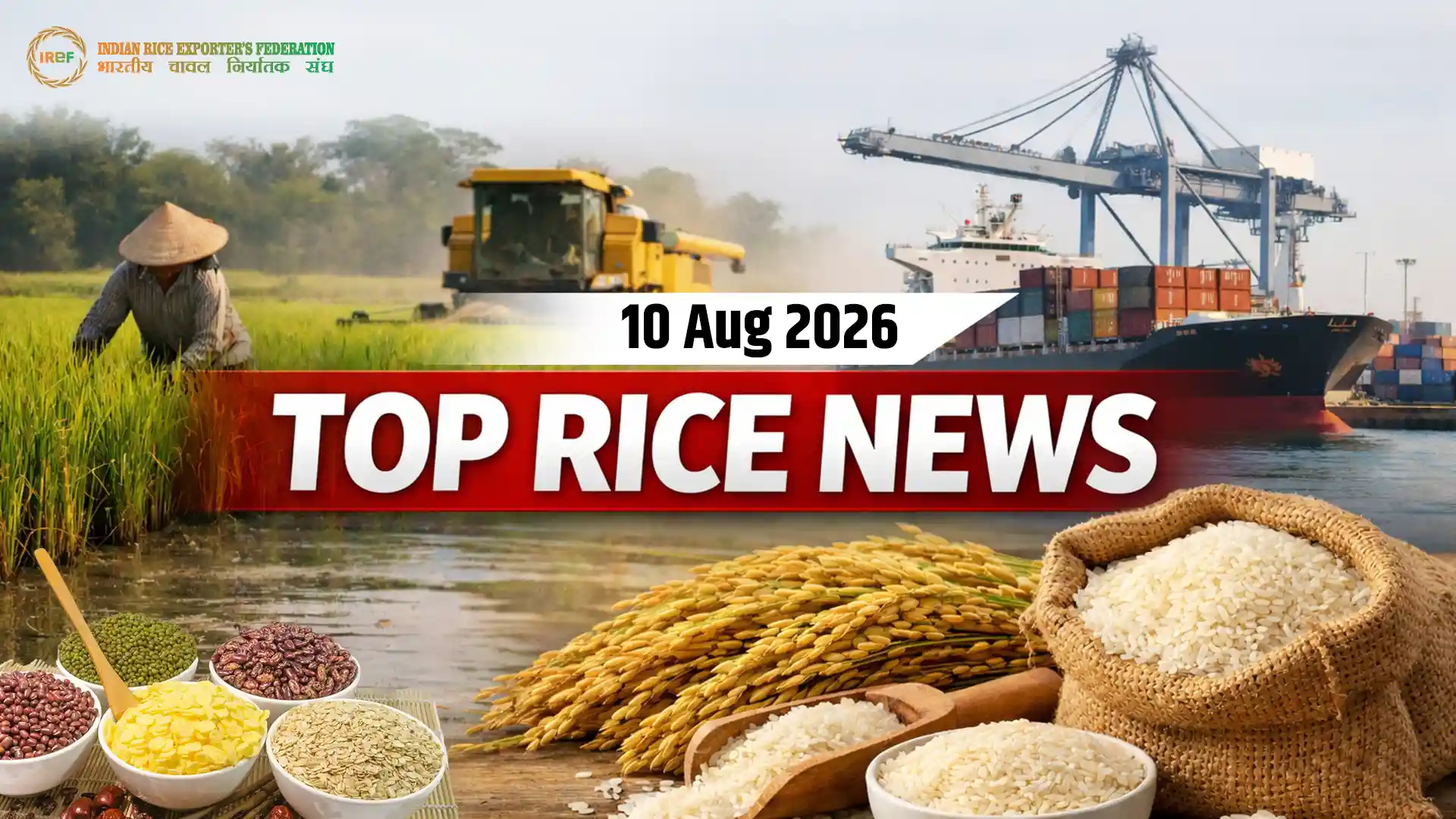
Top Rice News highlights three major developments impacting India’s rice sector. Rising container shortages have pushed rice shipping costs from nearly $2,000 to $7,500, threatening export competitiveness. At the same time, rice prices in Tamil Nadu could increase by ₹10–15 per kg amid poor yields and reduced supplies from neighbouring states. In Kanyakumari, wild rice weed has spread across nearly 150 acres of paddy fields, rising cultivation costs and threatening productivity. Farmers are looking for government intervention, technical support and effective measures to tackle the growing challenges.
Why India’s Rice Exports Face Shipping Cost Shock?
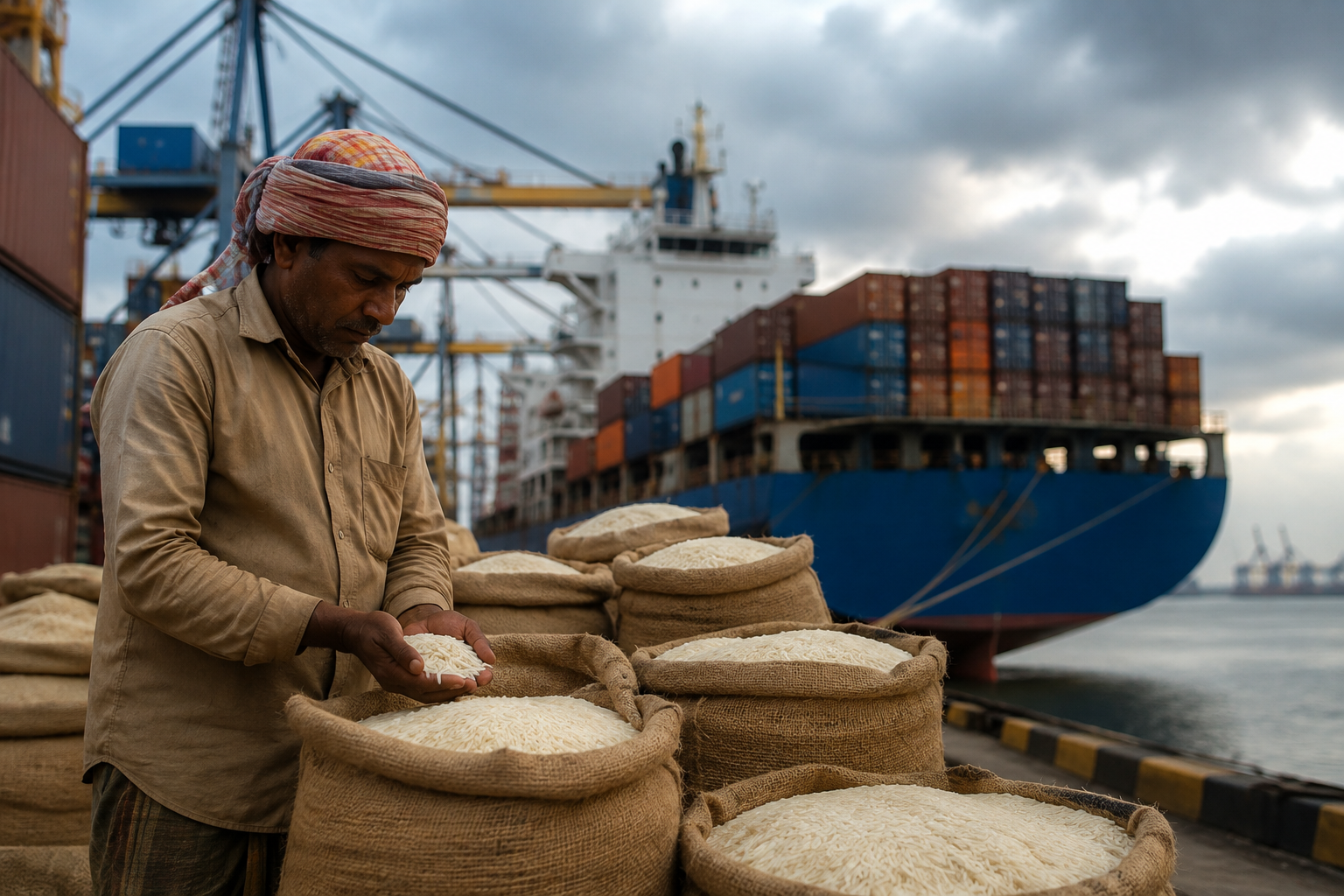
India’s rice export sector is facing mounting pressure as a shortage of shipping containers has sharply risen freight costs. As per a report, transportation charges that were earlier nearly $2,000 per container have surged to around $7,500, creating a significant challenge for exporters. Moreover, the increase in shipping costs comes despite strong international demand for Indian rice. Exporters are concerned that higher logistics expenses could decrease their profit margins and make Indian rice less competitive in global markets, potentially slowing down shipments.
Also, the container shortage is creating uncertainty for traders and overseas buyers, as exporters struggle to secure containers at affordable rates. If the situation continues, the higher freight burden could be reflected in rice prices and impact the overall competitiveness of India’s agricultural exports.
Notably, India is a significant rice exporter, supplying markets in Asia, Africa and other regions. Any prolonged disruption in shipping could therefore have wider implications for global rice trade. In addition, Exporters are closely watching freight rates and container availability, hoping that supply-chain conditions improve soon. Until then, elevated shipping costs remain a major challenge for India’s rice export industry.
Why Rice Prices in Tamil Nadu Set to Rise Further Amid Supply Shortage?
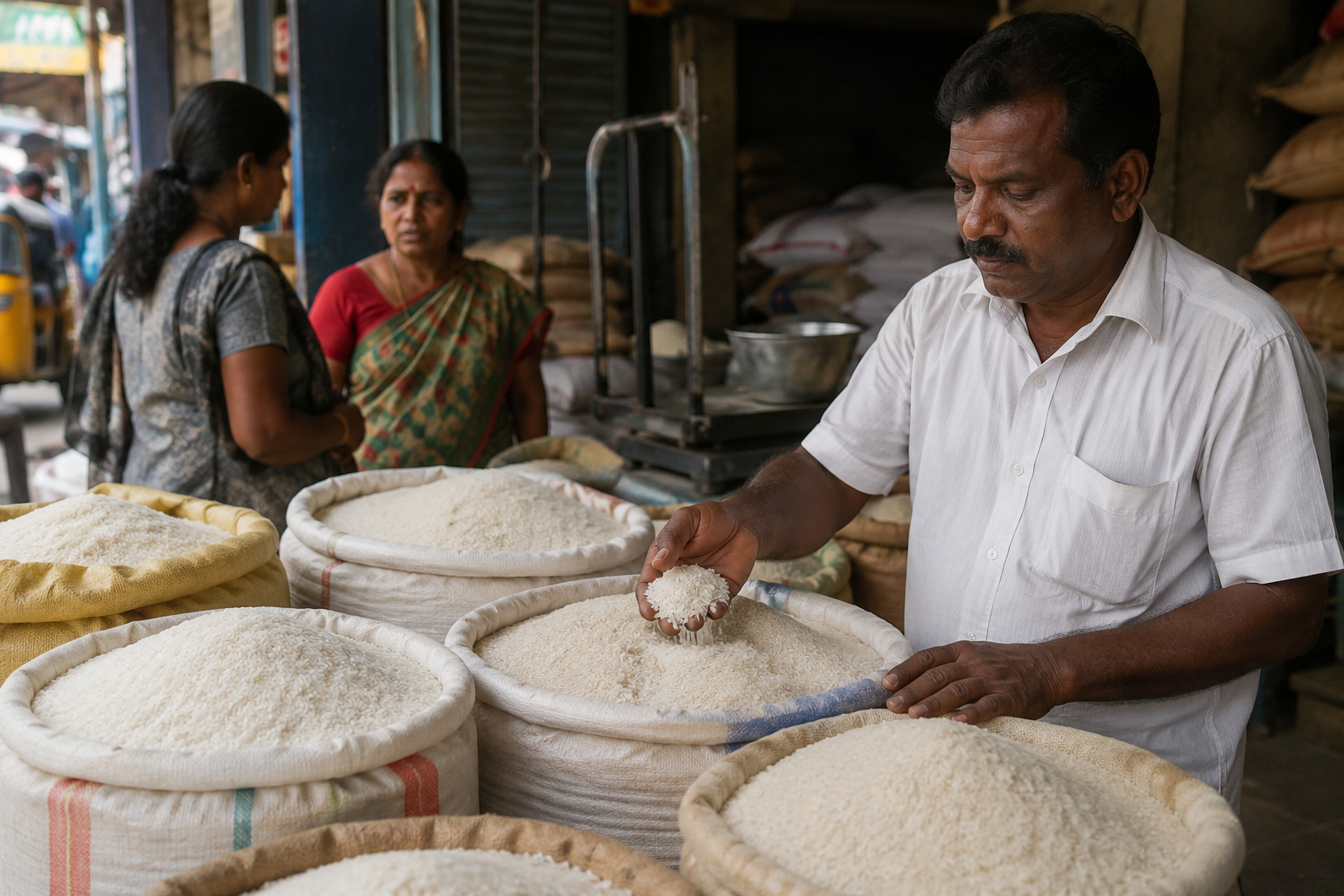
Rice prices in Tamil Nadu are set to increase further, with traders expecting a rise of ₹10–15 per kg in the state in the upcoming days. The price surge is being attributed to poor yields and decreased arrivals from neighbouring states such as Andhra Pradesh, Telangana and Karnataka. Many rice varieties have already become significantly costlier. Ponni rice has risen from ₹74 to ₹78–80 per kg, whereas matta rice has risen from ₹76 to ₹84 per kg within a week. Premium seeraga samba has recorded a sharper jump, reaching from ₹120–150 to ₹165–200 per kg. Traders stated supplies from neighbouring states have fallen as local demand remains strong. In addition, rice millers reported difficulty sourcing paddy since November last year. Some believe large farmers may be holding stocks in anticipation of higher prices, adding to supply concerns and potentially worsening the price situation in Tamil Nadu.
How Wild Rice Weed Threatens Paddy Fields in Kanyakumari?
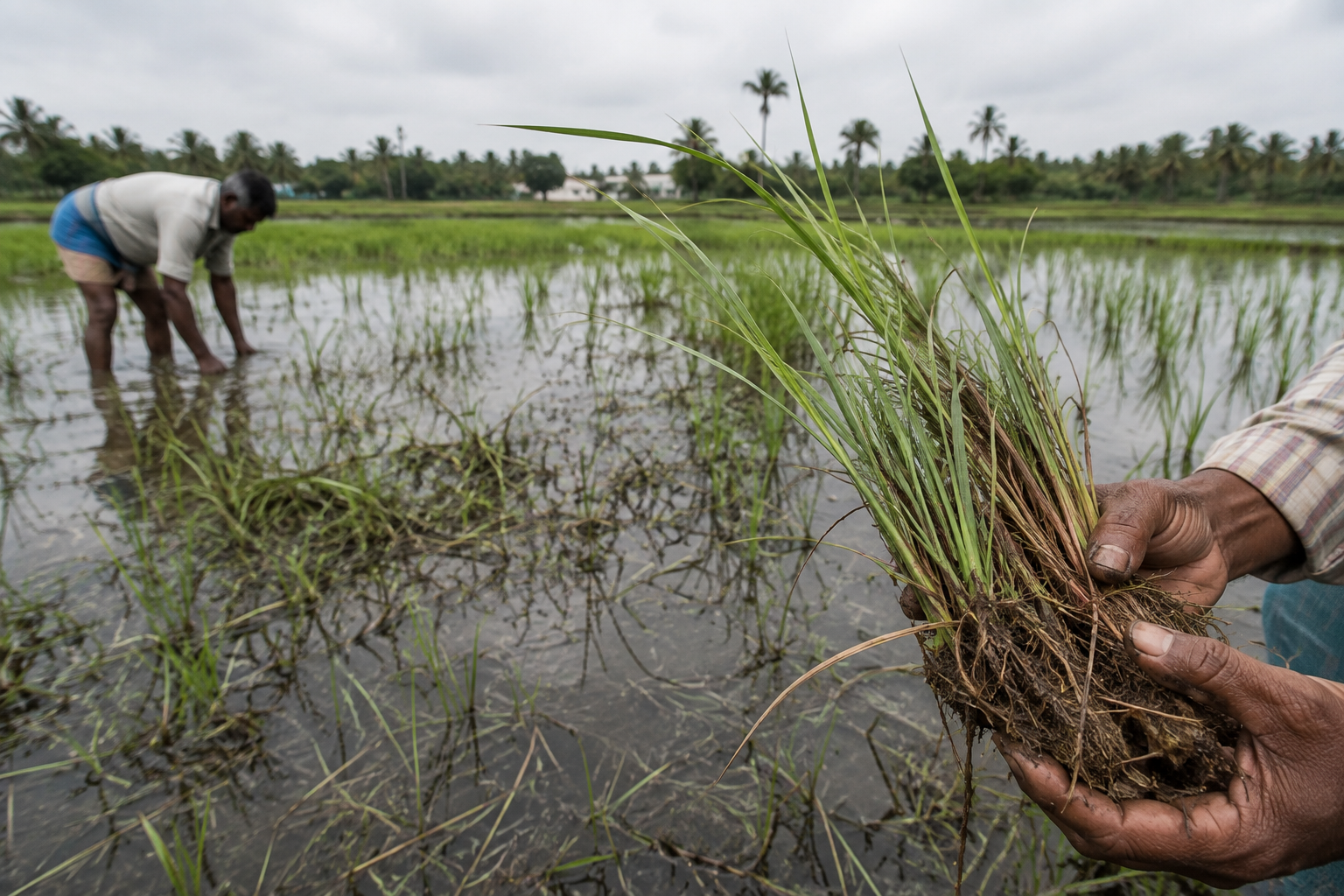
According to reports, Paddy farmers in Chenbagaramanputhoor, Kanyakumari, are looking for urgent government intervention as wild rice, or weedy rice, spreads in their fields. The infestation has impacted around 150 acres of the village’s 500 acres of paddy land, raising cultivation costs and threatening crop productivity. Moreover, Farmers stated the weed, first noticed nearly four years ago, has increased significantly in recent seasons, particularly in transplanted paddy fields. Its close resemblance to cultivated rice makes it difficult to identify and remove during the early stages. In addition, the weed competes with paddy for water, nutrients and space, whereas farmers are forced to hire additional labour for manual removal. The Chenbagaramanputhoor Farmers Association has appealed to the Tamil Nadu Agriculture Department to inspect affected fields, identify the source and provide effective control measures and technical guidance. Farmers fear the infestation could spread further in upcoming seasons.
Share this article
Article Info
Read Time
3 min read
Published
10 Aug 2026
Author
Megha Bajaj
Category
Rice News