Top Rice News: Thai Exports, Basmati & Sri Lanka Market
Top rice news covers the latest developments in the global rice market. Discover how the Middle East conflict is affecting Thai rice exports, why India's basmati acreage is expected to rise amid strong export demand, and how rice imports have decreased the demand for locally produced rice in Sri Lanka.
Middle East Disruptions Weigh on Thai Rice Exports as Key Markets Halt
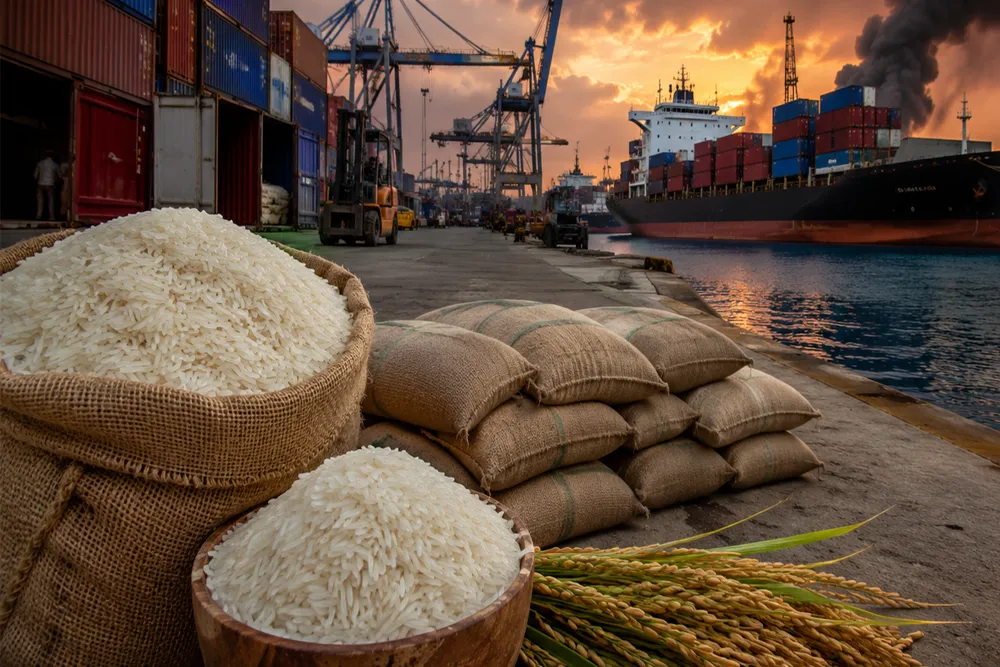
Thailand’s rice export sector is facing fresh challenges as escalating Middle East Conflict which disrupt trade flows and raise concerns over shipping security. The conflict has increased risks for exporters, particularly due to uncertainty around maritime routes, higher freight costs, and potential delays in deliveries to key markets. As Thailand remains one of the world’s leading rice suppliers, any disruption could impact export competitiveness and global rice trade dynamics.
The Middle East is a significant market for Thai rice, and prolonged instability could affect demand patterns, logistics, and pricing. While supply availability remains stable, exporters are closely monitoring geopolitical developments and transportation risks. The situation highlights the growing vulnerability of global agricultural trade to regional conflicts, with food commodities increasingly exposed to energy and shipping market volatility.
Why Is India's Basmati Acreage Rising?
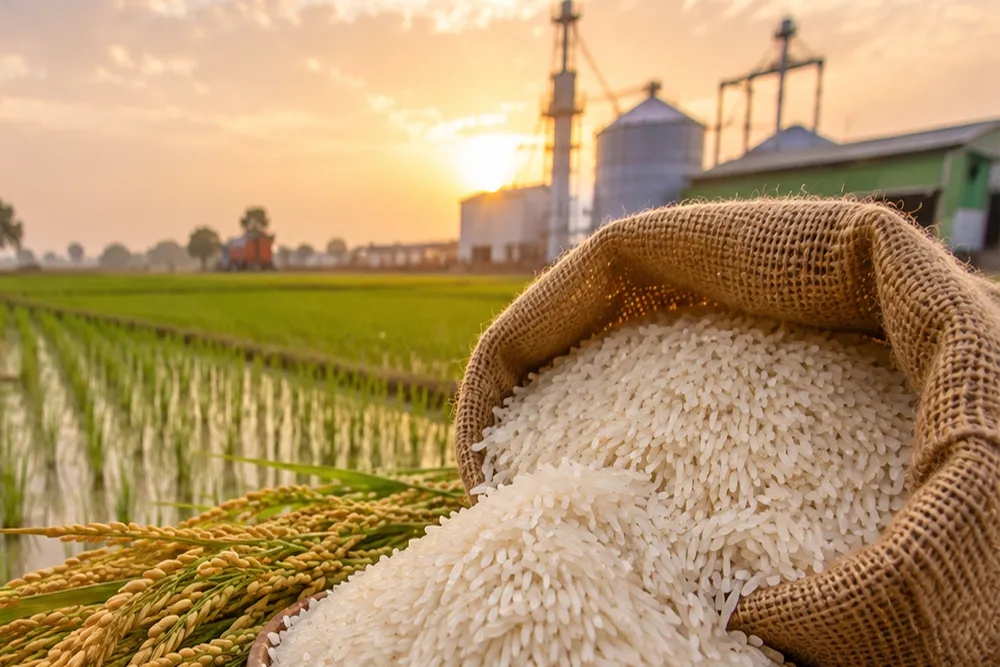
According to exporters, farmers and industry experts, India's basmati rice acreage is expected to rise this kharif season as strong prices and robust export demand encourage farmers to shift away from conventional paddy, even as uneven monsoon rains delay overall paddy sowing. In addition, farmers in Punjab, Haryana, western Uttar Pradesh and parts of Jammu are expected to increase the cultivation of short-duration basmati rice varieties, which mature nearly three weeks earlier than traditional varieties and help in reducing the risk of delayed rainfall and moisture stress. Notably, the shift comes as overall paddy sowing remains behind last year's pace. Between 1 June and 17 July, paddy had been planted on around 16.6 million hectares, down from 16.7 million hectares a year earlier. India produced 13.5 million tonnes of basmati rice from 2.4 million hectares in the 2025-26 crop year. Undoubtedly, it is the world's second-largest producer and biggest rice exporter. Moreover, Basmati rice exports reached 6.5 million tonnes, worth $5.67 billion during the year compared to $5.94 billion the year before.
Sri Lankan Farmers Say Rice Imports Slashed Demand for Local Produce by 60% Here’s Why?
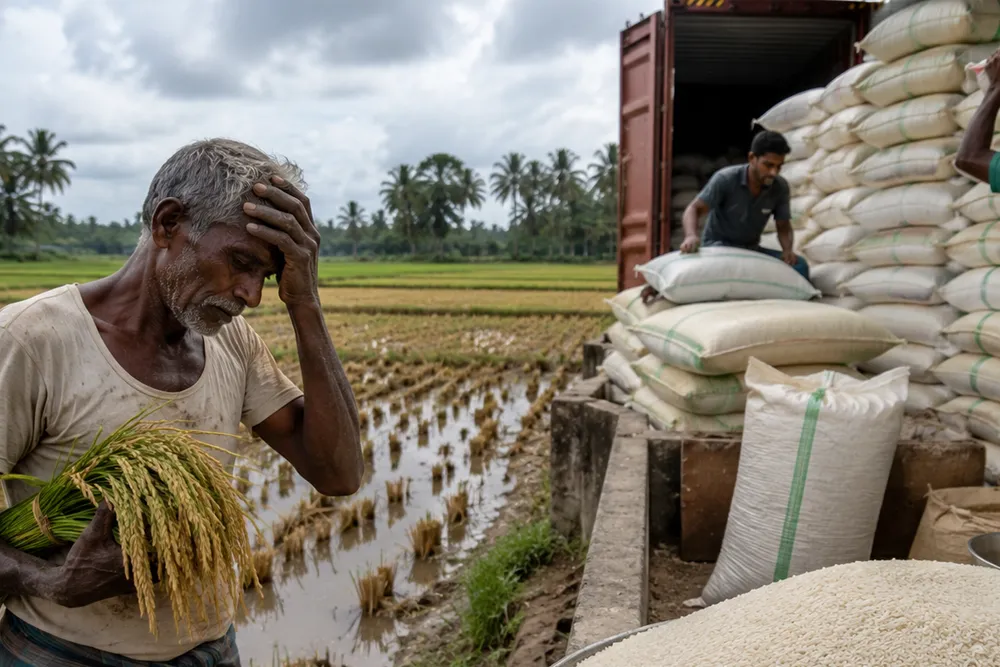
In Srilanka, National Agrarians' Unity Chairman Anuradha Tennakoon claimed that the import of around 100,000 metric tons of rice has severely disrupted the local rice market, reducing demand for domestically produced rice by around 60% and creating a crisis for farmers ahead of the 2026 Yala harvesting season.
Tennakoon addressed the media briefing and alleged that the volume of imported rice far exceeded the country's actual requirement, leaving warehouses belonging to small-, medium-, and large-scale rice mill owners filled with unsold stock. In addition, he warned that the situation could significantly influence paddy purchases during the upcoming Yala season by placing thousands of farmers at risk. Tennakoon said the expected paddy harvest for the 2026 Yala season is nearly 1.8 million metric tons. In addition, he claimed that farmers are still holding between 500,000 and 700,000 metric tons of unsold paddy from the 2025/26 Maha season, representing about 35% of the total Maha harvest. He stated the country's total paddy stock could rise to between 2.4 million and 2.5 million metric tons with the Yala harvest. On the contrary, demand for locally produced rice and paddy has fallen sharply due to imports.
Share this article
Article Info
Read Time
3 min read
Published
21 Jul 2026
Author
Megha Bajaj
Category
Rice News