Top Rice News: Prices In TN, Exports & India’s Rice Sector
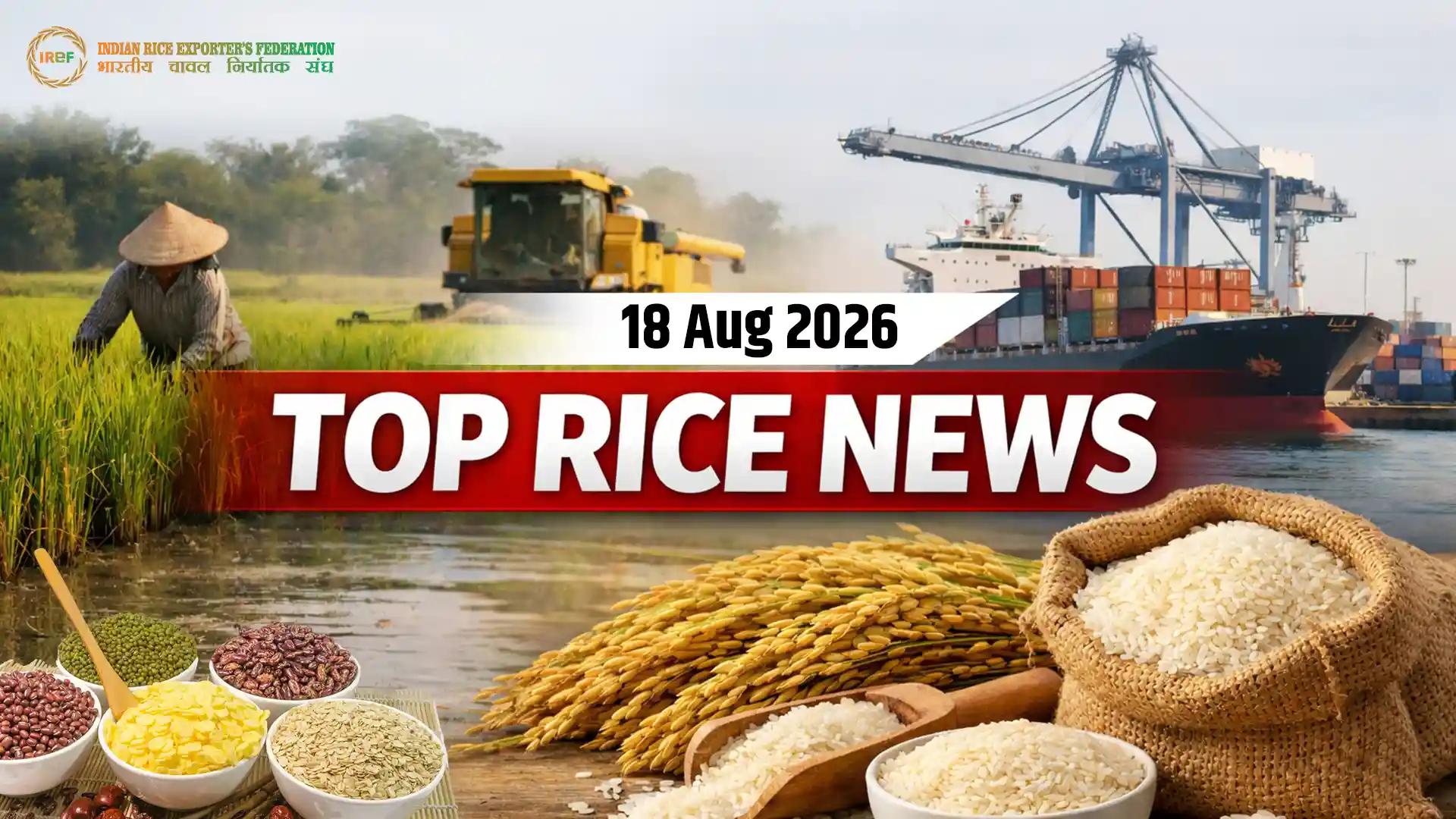
Top rice news covers major developments shaping India’s rice and agricultural commodities market. Drought in Tamil Nadu has pushed up rice prices and banana leaf prices, while supply concerns continue to affect consumers and traders. At the same time, Indian rice exporters are seeking government intervention after China raised GMO concerns over Indian rice consignments. The International Rice Research Institute and Uttarakhand government have also partnered to strengthen specialty rice value chains through improved rice varieties, climate-smart farming, technology, market access and stronger opportunities for smallholder farmers.
How Drought Pushes Up Rice and Banana Leaf Prices in Tamil Nadu?
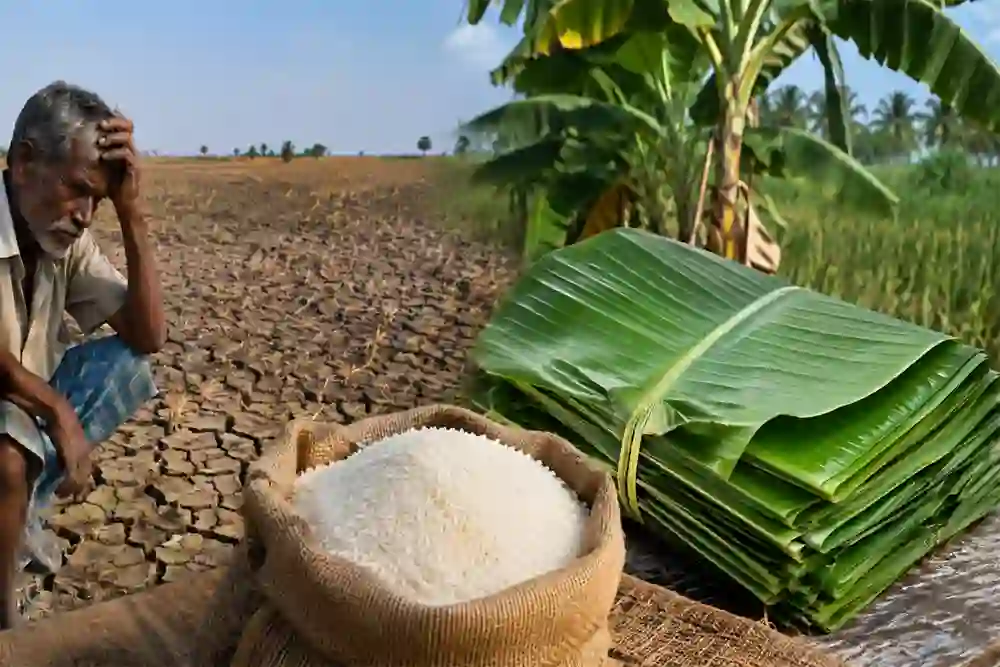
In Tamil Nadu, Drought conditions are pushing up the prices of both rice and banana leaves, which is putting pressure on traders, consumers and traditional food businesses. Notably, reduced banana cultivation in Trichy has sharply impacted leaf availability, whereas weaker rice supplies from neighbouring states have contributed to higher rice prices. Moreover, Banana leaf prices have reportedly nearly doubled, reaching around ₹8 per leaf in some markets. Also, rice prices have increased by ₹5–₹15 per kg, depending on the variety. Traders attribute the price increase to lower production, reduced inflows and supply disruptions. Particularly, the shortages are affecting the traditional ‘elai saapadu’, where meals are served on banana leaves. Besides this, the situation underscored how drought and supply constraints can quickly impact agricultural commodities and everyday food costs. Traders and consumers are now watching rainfall and supply conditions closely for signs of price stabilisation.
Rice exporters eye Goyal’s intervention on China’s allegation of GMO presence in shipments
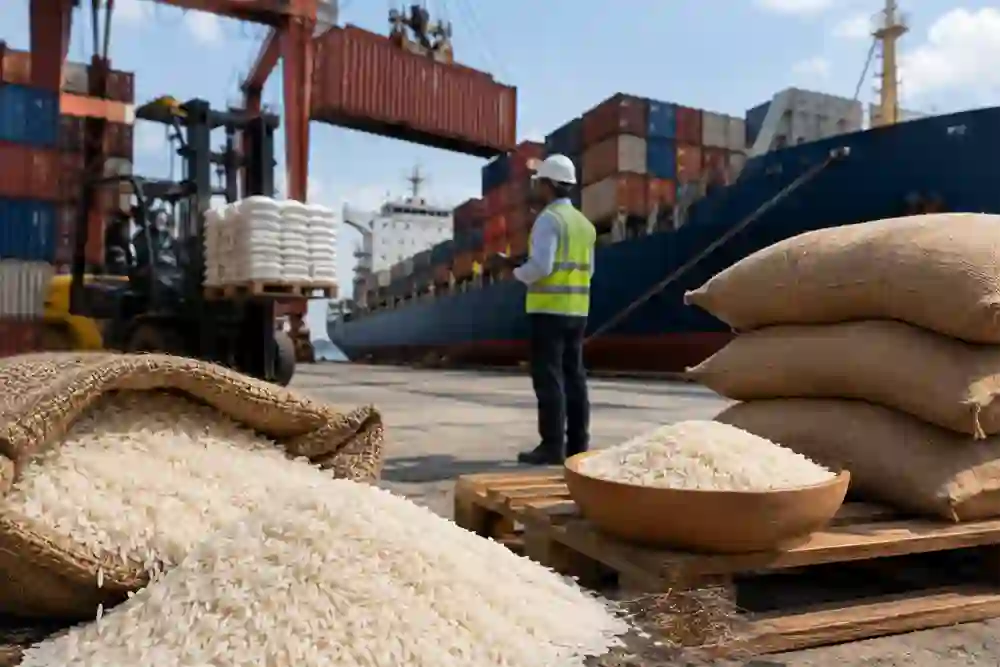
Indian rice exporters have appealed to the Union Commerce Minister Piyush Goyal to intervene after China rejected Indian rice shipments over allegations of genetically modified organism (GMO) presence. The Rice Exporters Association of Chhattisgarh has called for India and China to resolve differences over GMO testing and certification through dialogue. Moreover, the dispute began in March, when China rejected three Indian rice consignments and later suspended the import licences of three exporters. In addition, Exporters argue that the shipments had already been inspected and certified as non-GMO by a Chinese state-run agency in India. The issue has raised concerns over shipment delays, financial losses and India’s access to the Chinese rice market. The Industry representatives are seeking government intervention to establish clear testing protocols, recognize Indian non-GMO certifications and ensure smoother trade. The dispute comes as India continues to boost its position as a major global rice exporter.
IRRI, Uttarakhand Govt Partner to Boost Speciality Rice Value Chains
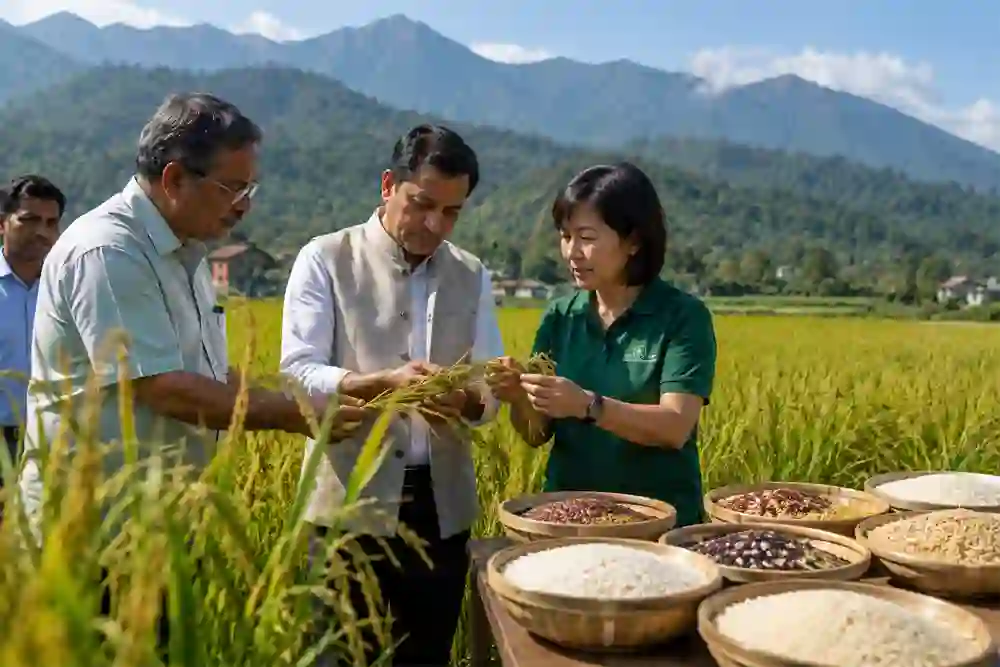
The International Rice Research Institute (IRRI) and the Uttarakhand government have joined hands to boost the state’s speciality rice value chains, with a focus on enhancing productivity, profitability and market opportunities for smallholder farmers. Additionally, this partnership aims to support farmers with better agricultural practices, enhanced rice varieties, stronger seed systems and improved market linkages. The initiative is expected to promote Uttarakhand’s traditional and high-value rice varieties along with improving their quality, branding and commercial potential. Apart from this, IRRI’s expertise in rice research, climate-smart farming, post-harvest management and value-chain development will support the state’s efforts to build a more sustainable and profitable rice sector. Notably, the collaboration could help small and marginal farmers gain better access to technology and markets, along with creating greater value for Uttarakhand’s speciality rice. Moreover, the partnership is expected to boost the connection between production, processing and consumers, helping transform the state’s speciality rice sector.
Share this article
Article Info
Read Time
3 min read
Published
18 Aug 2026
Category
Rice News