Rice News Today: Joha Rice Prices Double, Saffron-Infused Basmati Rice And Pak’s Rice Exports Drop
Joha Rice Prices Double in Assam Amid Rising Demand and Supply Shortage
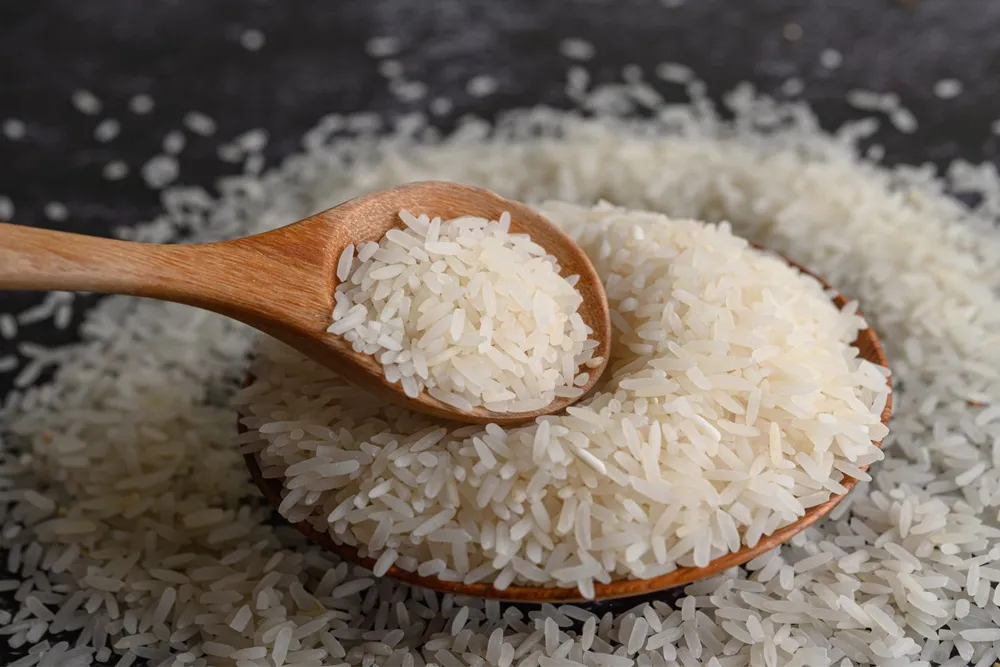
According to the latest reports, the Joha rice prices have doubled in a year’s time, from around Rs 80 to Rs 160 in the retail market, pushing it out of reach of various consumers in the state. Notably, the massive price escalation was sparked by a surge in demand, especially a significant failure of West Bengal’s Gobindobhog rice crop, a similar aromatic, short-grain, sticky variety, in the season 2024-25. Moreover, yield volumes of the Bengal variety last year were estimated to be down by around 40% compared to the last fiscal year due to adverse weather, prompting a supply crisis. Interestingly, Assam’s variety moved out, started gaining traction in premium domestic and international markets, prompting more buyers to come in with increasing inquires. However, though the price of Gobindobhog stabilized this year, there was no self-correction in the price of Assam Joha. At present, Joha Paddy stands at around Rs 75-90 per kg, up from around Rs 32 two years ago. According to Vikask Poddar of Pratik Agro Food Processing, there is also a rise in demand for Assam Joha domestically. He said: “Consumers are increasingly conscious about purity. They are ready to pay any amount.”. An exporter registered with the Agricultural and Processed Food Products Export Development Authority, M/s Safe Agritrade Pvt Ltd, Kolkata, primarily engaged in the export of rice and spice, is undertaking the first-ever export of GI-tagged Joha rice from Assam to the UK and Italy. Around 25 MT of Joha rice is being exported from Assam. Notably, the consignment, processed and packed at Pratik Agro Food Processing, was flagged off on March 12. Interestingly, Joha rice is cultivated in about 21,662 hectares with a production of approximately 43,298 metric tonnes (FY 2024-25). Nearly, 10% of what remains after self-consumption goes to the mills, and most of it is marketed outside the State, particularly in West Bengal.
LT Foods Launches Limited-Edition Saffron-Infused Basmati Rice Under Daawat Brand
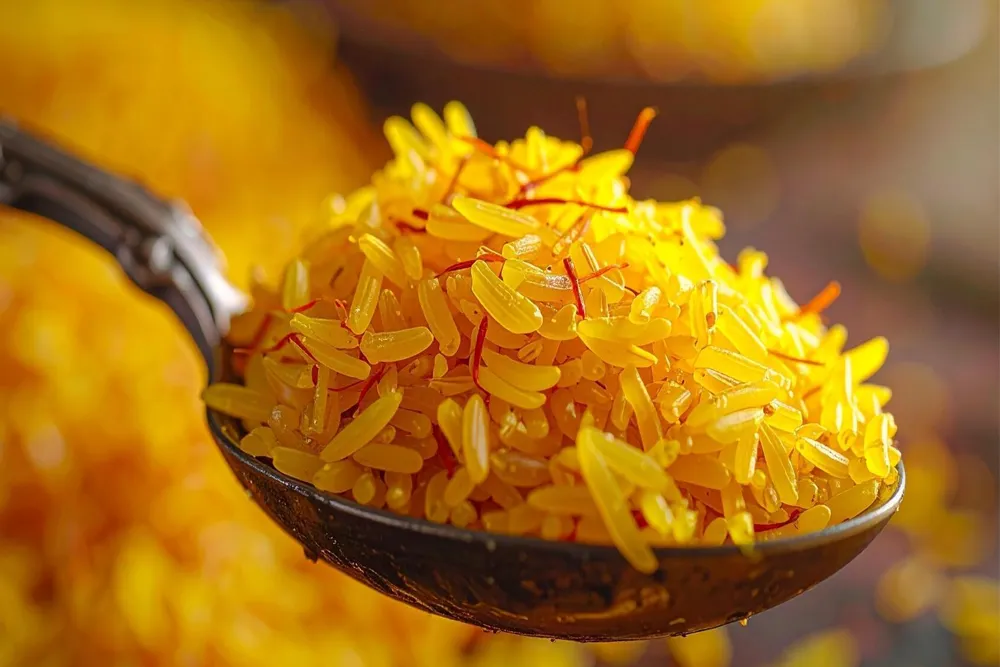
On Tuesday, March 18, LT Foods Ltd launched DAAWAT Saffron-infused Basmati Rice, a limited-edition product which is described as the first of its kind in the basmati category. Moreover, the company stated that the product is targeted at premium consumers and will be available exclusively through an expression of interest on its website. Notably, the rice is grown on farms fed by the Chenab River and infused with saffron sourced from Jammu & Kashmir. The company also stated that the cultivation follows pesticide-free, traditional methods, and each grain is hand-selected. When it comes to the pack, it carries vacuum-sealed saffron-infused rice, a handcrafted jute storage bag, a personalised note from the farmer with a certified pack number, and curated cooking instructions. Ritesh Arora, CEO – India Business & Far East at LT Foods, mentioned that the launch was intended to boost the company’s premium portfolio and create value at the high end of the basmati market. Notably, he framed the product as part of a longer-term strategy rooted in the company’s seven-decade legacy in speciality rice. LT Foods reported consolidated revenue of approximately ₹8,773 crore for FY25, with a five-year revenue CAGR of 16 per cent and a PAT CAGR of 21 per cent. Interestingly, the company operates across more than 80 countries and operates processing units in India, the United States, and Europe. Its flagship brands include Daawat in India and Royal in North America.
Pakistan’s Rice Exports Drop Sharply Despite Government Subsidies
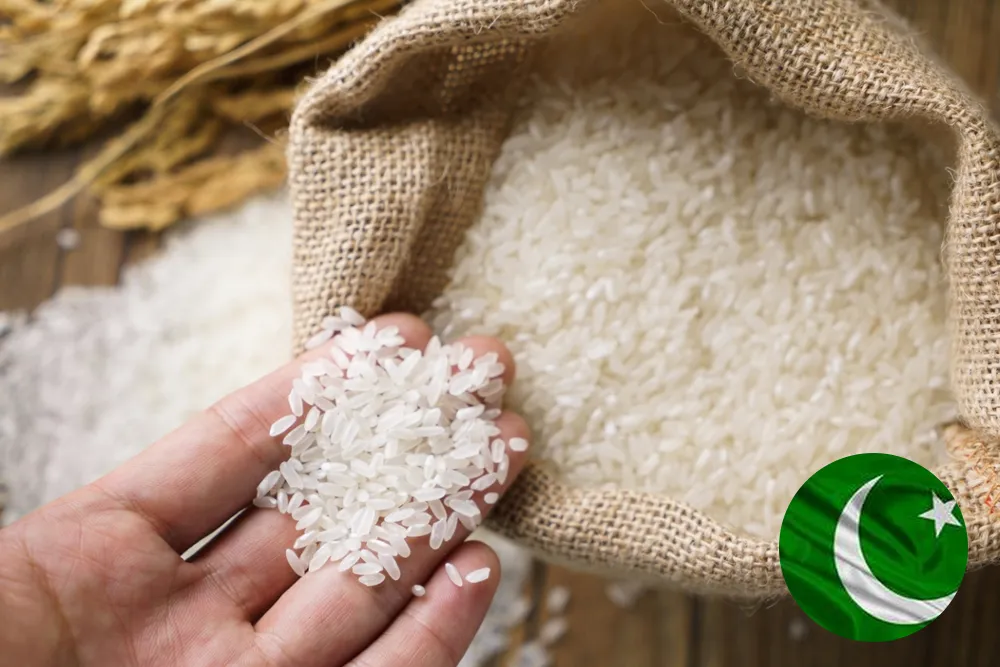
Pakistan's rice exports witnessed a major decline in February, despite the government's efforts to support the sector through subsidies. The data from the Pakistan Bureau of Statistics has shown that rice exports dropped by 35.38 per cent during the month, raising concerns among exporters regarding the effectiveness of the government's support scheme. Moreover, the government had introduced a subsidy programme aimed at boosting rice exports by offering a 3 per cent duty drawback on local taxes and levies for coarse rice and a 9 per cent duty drawback for basmati rice exports. Approximately Rs. 15 billion was allocated under this scheme to provide rebates to rice exporters. Nevertheless, Rice exporters have expressed reservations related to the impact of the subsidies. They argue that the programme has inadvertently led to higher domestic prices, making Pakistani rice less competitive in international markets. Exporters also noted that the cash support has not delivered the intended benefits and has, in fact, undermined the country's export potential. According to the official figures, basmati rice exports fell by 19.21 per cent in value and recorded a negative growth of 27.98 per cent in quantity during February. The export of coarse rice witnessed a significant decline, dropping by 42.50 per cent in value and 32.94 per cent in quantity. Notably, Stakeholders in the rice sector have recognised the high domestic prices and hoarding as major factors contributing to the decline in exports. They maintain that these issues, combined with the effects of the subsidy programme, have negatively impacted Pakistan's position in the global rice market.
Share this article
Article Info
Read Time
1 min read
Published
18 Mar 2026
Author
Megha Bajaj
Category
Rice News