Top Rice News: Tripura Gulf Exports, Arsenic Risks & El Niño Threats
Top rice news highlights major developments shaping the global rice sector. Tripura has increased exports of organic lemons, aromatic rice and Queen pineapples to Gulf markets, boosting farmer opportunities. At the same time, arsenic contamination continues to challenge food safety and global rice trade, prompting efforts to develop safer cultivation practices. In the Philippines, the government has rolled out cloud seeding operations and farmer support measures to protect rice production from the adverse effects of El Niño and ensure food security.
Tripura Boosts Gulf Exports with Organic Lemons, Aromatic Rice and Queen Pineapples
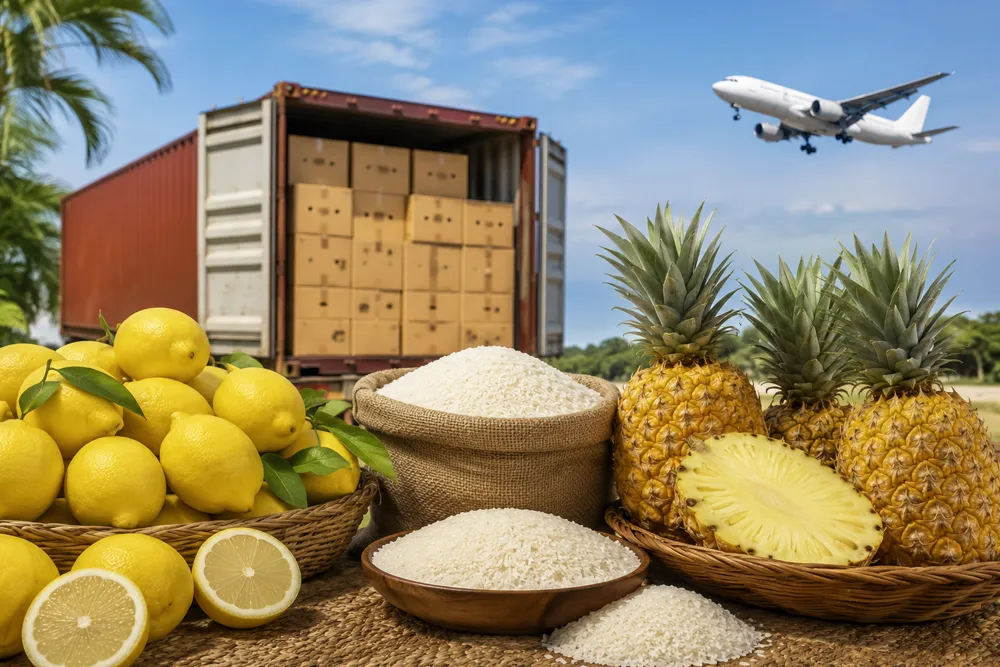
Recently, Tripura has marked a remarkable milestone in agricultural and organic exports by shipping organic lemons, aromatic rice and Queen pineapples to Gulf countries which is going to boost its presence in international markets. These exports are part of the state's efforts to promote high-value organic produce and enhance farmers' access to overseas buyers.
According to officials, the initiative is expected to improve farmers’ income by generating better market opportunities for premium agricultural products. Organic lemons and Queen pineapples from Tripura are recognised for their quality and flavour, along with the state's aromatic rice has also attracted demand in export markets. The move indicates Tripura's growing focus on developing export-oriented agriculture through improved packaging, quality certification and logistics support. As per the authorities, expanding exports to Gulf nations will encourage more farmers to adopt organic cultivation and value-added farming practices. Not only this, but the initiative is also expected to boost Tripura's agricultural economy, generate rural employment and position the state as an emerging exporter of organic fruits and specialty rice from the country’s Northeast.
How Arsenic Continues To Be A Food Safety Challenge For The Global Rice Industry?
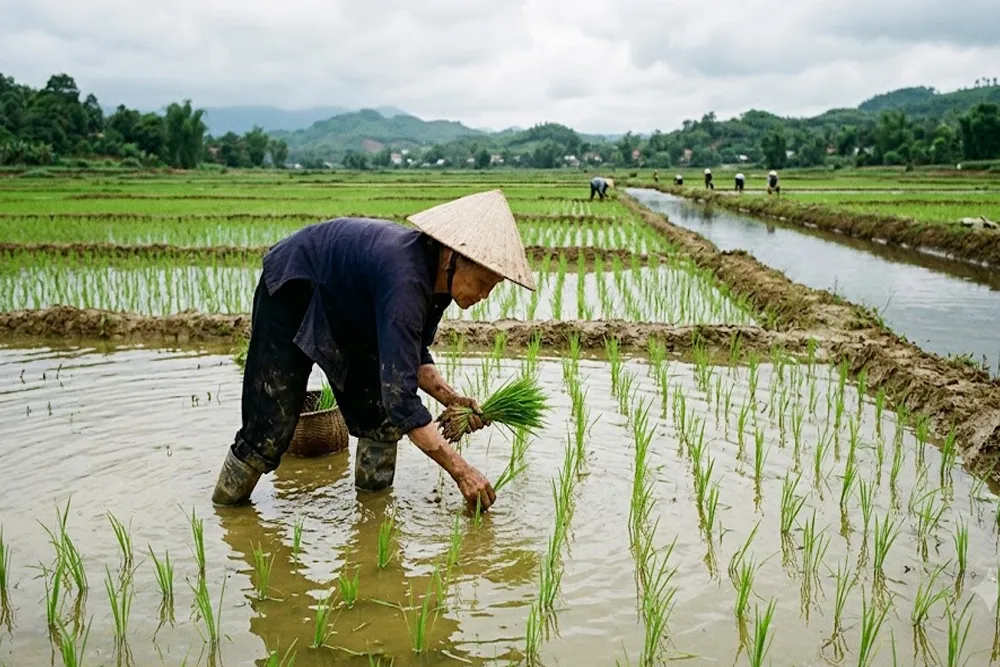
Arsenic contamination continues to be a significant challenge for the global rice industry which has been raising concerns over food safety, public health and international trade. Notably, rice absorbs more arsenic than most other crops because it is typically grown in flooded fields, where naturally occurring arsenic in soil becomes more available to plants.
Moreover, Long-term exposure to arsenic has been associated to serious health risks, prompting governments and food safety agencies to establish restrictions on arsenic levels in rice and rice-based products. Researchers and the rice industry are exploring multiple solutions, including breeding low-arsenic rice varieties, enhancing irrigation practices, managing soil conditions and adopting farming techniques that decrease arsenic uptake without compromising yields.
According to experts, addressing the issue requires collaboration among scientists, policymakers and farmers to balance food safety with agricultural productivity. Since consumer awareness grows and regulations become stricter, reducing arsenic levels will be essential for maintaining export competitiveness and ensuring the long-term sustainability of rice production in both domestic and international markets.
Philippines Rolls Out Cloud Seeding to Protect Rice Farms from El Niño
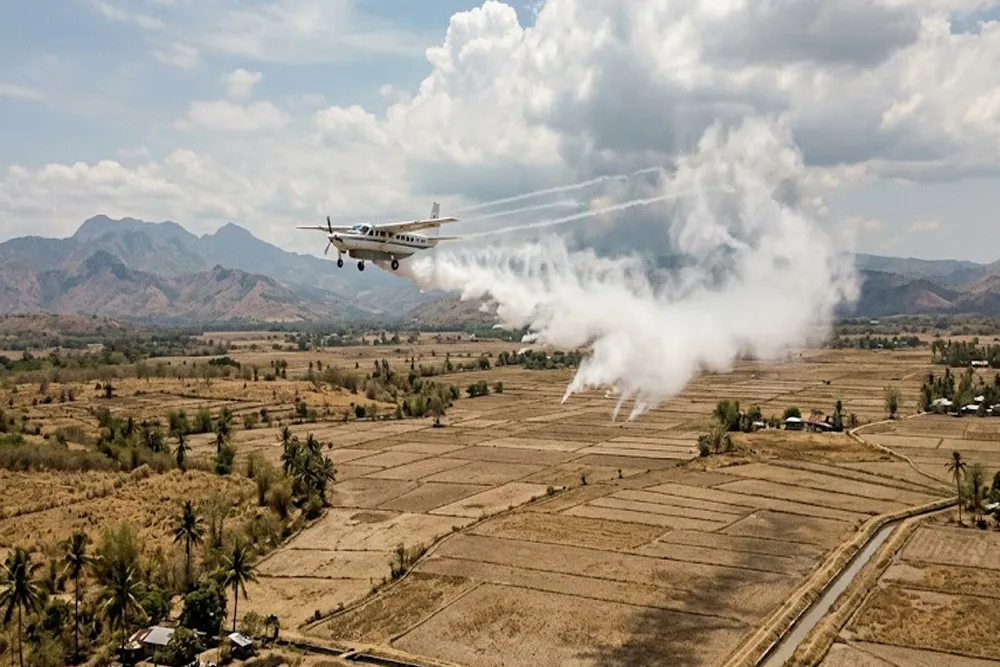
According to sources, the Philippine government has rolled out cloud seeding operations to help safeguard rice production as El Niño-induced dry conditions threaten major agricultural areas. The intervention is focused on Isabela province, where prolonged dry weather has put nearly 31,000 hectares of irrigated rice fields at risk which has raised concerns over crop losses and farmer livelihoods.
Generally, Cloud seeding is being used to improve rainfall and provide much-needed moisture to standing crops. Not only this, authorities have launched a package of support measures, including the distribution of drought-resistant crop seeds, financial assistance and technical support to the affected farmers. In addition, the government is coordinating with local agencies to monitor weather conditions and respond quickly to emerging risks.
According to officials, the initiative is aimed at minimizing the impact of El Niño on food production and ensuring a stable rice supply. With rice being a staple food in the Philippines, protecting the current cropping season is considered crucial for food security, price stability and the incomes of farming communities in the country.
Share this article
Article Info
Read Time
4 min read
Published
13 Jul 2026
Author
Megha Bajaj
Category
Rice News