Top Rice News: India Exports, Japan Buyback & Millet Shift
Top rice news today covers three major developments from the global rice market. India’s rice exports to 26 priority markets have crossed the three-year average. Japan plans to buy back stockpiled rice amid concerns over falling prices and farmer incomes. At the same time, an IIT Gandhinagar study recommends shifting from water-intensive rice to millets to conserve groundwater.
India’s Rice Exports Rise, Cross 3-Year Average
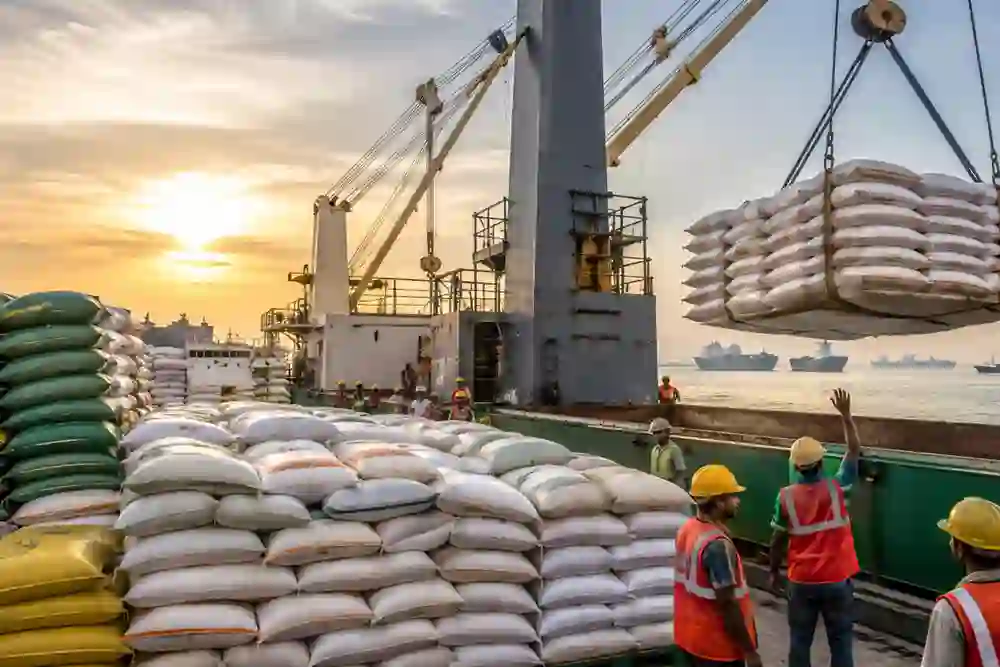
India’s rice exports to 26 priority markets performed strongly between November 2025 and March 2026, with shipments reaching 4.79 million tonnes, according to data analysed by the Indian Rice Exporters Federation (IREF).
The value of these exports stood at nearly ₹23,476 crore during the five months. Export volumes were 5.6% higher than the average recorded across the previous three years, while export value was around 1.1% higher.
Moreover, the figures highlight continued international demand for Indian rice despite challenges in global trade and shipping. The strong performance in major markets also underlines India’s important position in the global rice trade.
The rise in exports could provide opportunities for Indian rice exporters, millers and farmers, along with boosting the country’s agricultural export earnings.
However, geopolitical tensions and disruptions in significant trade routes remain important risks for exporters. India’s rice shipments to markets such as Iran could face additional pressure if payment, shipping and insurance challenges continue.
Generally, the latest data points to resilient demand for Indian rice in international markets, with exports to these 26 destinations outperforming their recent three-year benchmark.
Japan Moves to Buy Back Rice as Prices Threaten to Crash
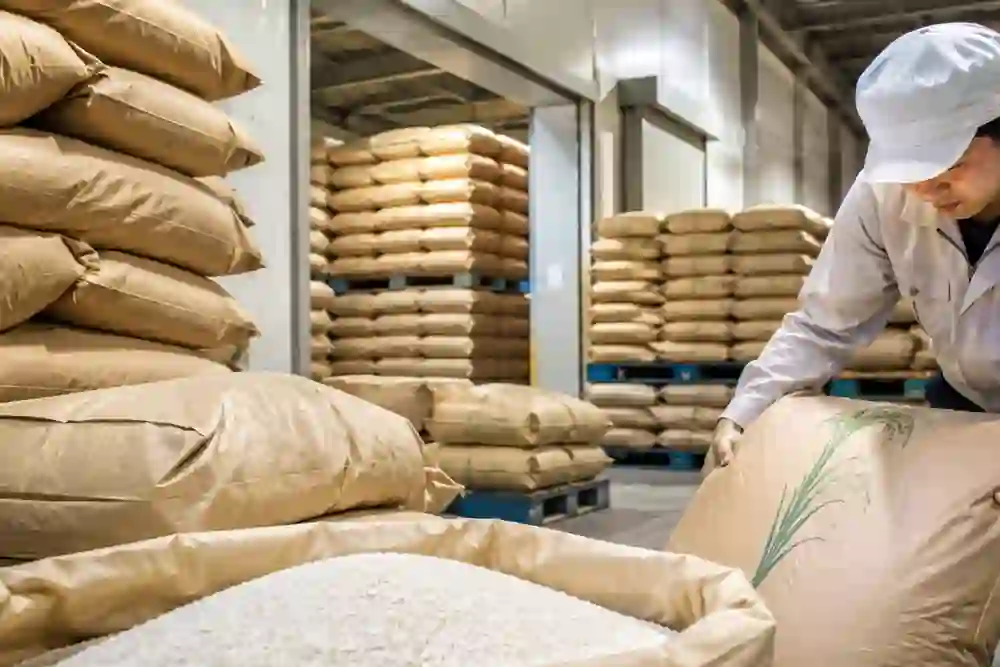
According to the latest reports, Japan’s government is planning to buy back rice released from its emergency stockpile in 2025, amid concerns that falling rice prices could hurt farmers. The move comes after the government released large quantities of stockpiled rice to ease a sharp rise in consumer prices. Moroever, Japan’s farm ministry is expected to purchase up to 150,000 tonnes of rice during fiscal 2026 to replenish reserves. The government had released around 590,000 tonnes from its stockpile as part of efforts to increase supply and bring prices down. However, the increased supply has raised concerns among farmers that prices could fall too sharply, reducing their income and making rice production less viable. Therefore, the buyback is aimed at maintaining a balance between affordable rice for consumers and stable prices for farmers. Japan’s rice market has witnessed major price swings, moving from shortages and record-high prices to concerns over oversupply. The latest move highlights the challenge for the government: keeping Japan’s staple food affordable while along with farmers continue producing enough rice for the country’s future needs.
Less Rice, More Millets: The New Way to Save India’s Groundwater
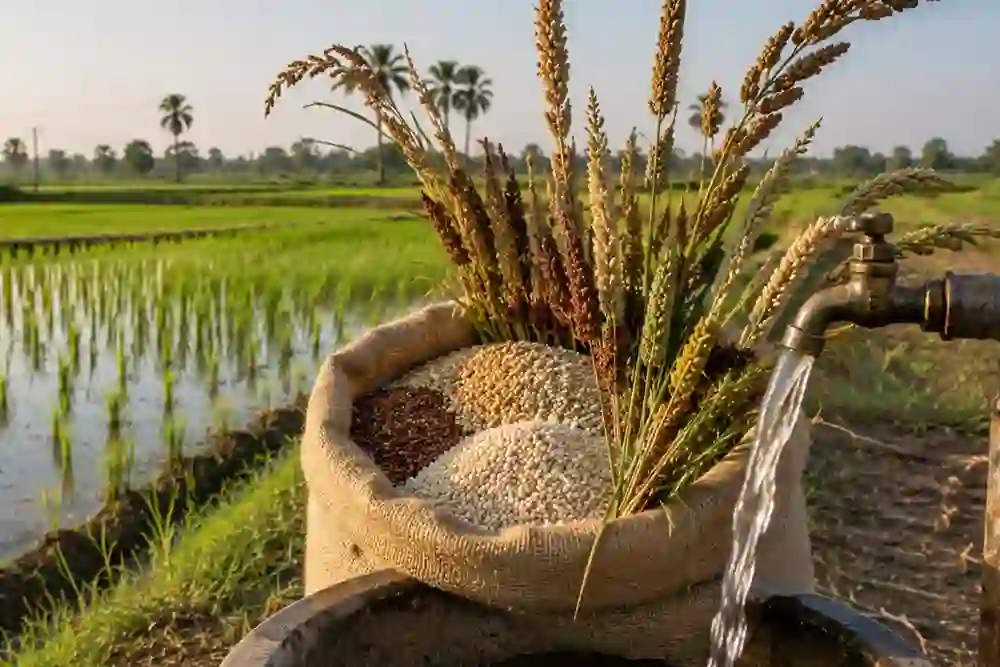
A new study by IIT Gandhinagar and Germany’s UFZ Helmholtz Centre for Environmental Research has underscored a significant challenge facing Indian agriculture: groundwater depletion. The researchers recommend that India should reduce its dependence on rice cultivation and encourage farmers to grow more millets and other less water-intensive crops. Rice requires large amounts of water, particularly in regions where farming depends heavily on irrigation. Continued cultivation can put additional pressure on already-depleting groundwater reserves. On the other hand, millets require significantly less water and can grow better in dry and semi-arid regions. Shifting some farmland from rice to millets could therefore help conserve groundwater while maintaining food production. The study notes the need for changes in agricultural policies and farmer incentives. Encouraging crop diversification could make farming more resilient to water shortages and changing climate conditions. For India, the issue is not just about saving water. Groundwater supports millions of farmers and plays a vital role in the country’s food security. The researchers believe a carefully planned shift towards millets could help India balance food production, farmer livelihoods and long-term water security.
Share this article
Article Info
Read Time
4 min read
Published
27 Aug 2026
Author
Megha Bajaj
Category
Rice News