Top rice news: India’s Grain Stocks Hit Record Highs, What’s Next?
Top rice news today highlights India’s record-breaking food grain reserves, supported by strong procurement and bumper harvests during the 2025-26 season. Rice stocks, including unmilled paddy, have reached 68.43 million tonnes, while wheat reserves have climbed to 53.41 million tonnes, strengthening the government’s ability to manage food security and maintain price stability. Meanwhile, Bangladesh is reviewing its agricultural policies as a World Bank report points out the continued focus on rice subsidies despite falling rice consumption and the rising contribution of sectors such as livestock, fisheries, fruits, and vegetables to agricultural growth. Telangana’s emergence as a major rice-producing state has also brought challenges related to surplus production, storage management, and environmental sustainability. To address these concerns, policymakers are promoting crop diversification toward pulses, oilseeds, maize, and horticulture to enhance farm incomes, improve resource efficiency, and build a more sustainable agricultural futur
Telangana’s Rice Success Turns Into a Surplus Challenge
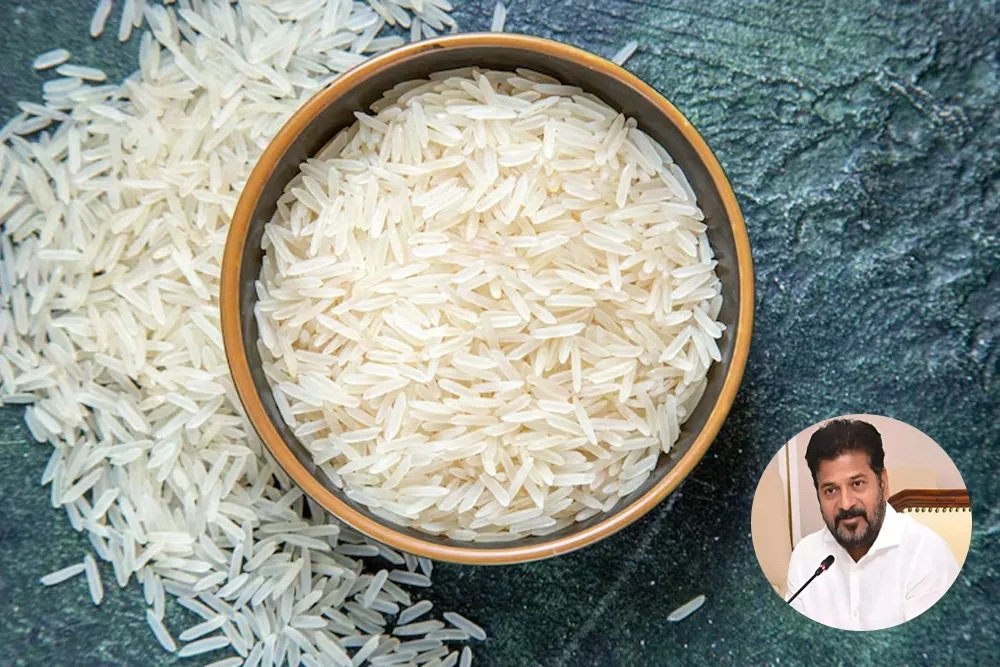
India’s food grain reserves have touched unprecedented levels since government rice stocks reached a record high, and wheat inventories climbed to their highest level in five years. The official data stated that rice reserves, including unmilled paddy, was at 68.43 million metric tonnes as of June 1, whereas wheat stocks increased to 53.41 million tonnes, significantly surpassing government buffer requirements.
The rise in inventories has been driven by strong procurement from farmers and record crop production during the 2025-26 season. Moreover, favourable monsoon conditions motivated farmers to increase cultivation which resulted in all-time high rice production of 154.02 million tonnes and wheat output of 120.66 million tonnes.
These ample stocks offer the government with greater flexibility to manage domestic food prices and ensure food security. Particularly, higher wheat inventories could allow authorities to release additional grain into the open market if prices increase later in the year. At the same time, record rice reserves are expected to boost India’s export ambitions despite concerns that a potential El Niño weather pattern could influence future rainfall and crop output.
India is the world’s largest rice exporter which accounts for roughly 40% of global rice shipments. The country is now in a stronger position to maintain exports whereas safeguarding domestic supplies. The substantial grain reserves underscores the country’s enhancing agricultural productivity and boost its ability to respond to both domestic and international market challenges.
Rice Still Dominates Spending, Even as Consumption Falls
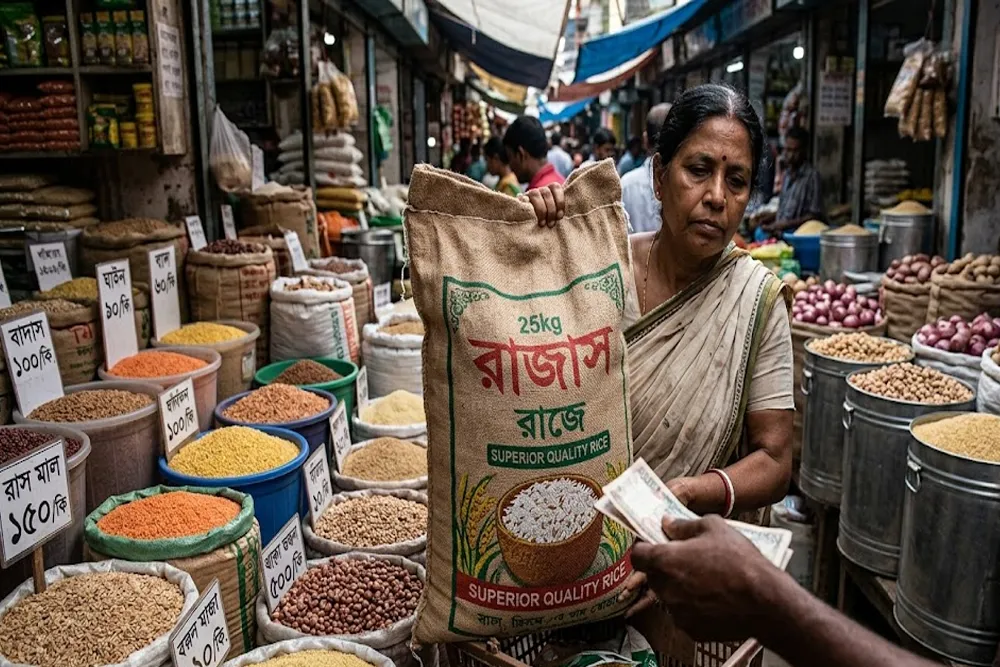
Bangladesh’s agricultural spending priorities are coming under renewed focus after a World Bank report underscores a mismatch between consumption trends and government support. While rice consumption has steadily reduced over the past two decades, rice production continues to receive the largest share of public spending and subsidies. Notably, rice accounts for nearly 72% of cultivated land and absorbs around 80% of agricultural subsidy benefits. But sectors including the livestock, fisheries, fruits, vegetables, and agro-processing now contribute a much larger share of agricultural GDP but get comparatively limited government support. In addition, the report highlights concerns over subsidy distribution. Larger landowners benefit disproportionately from fertiliser subsidies, whereas smaller farmers receive a significantly lower share. This has raised questions about the efficiency and fairness of current agricultural policies.
Addressing these challenges, the World Bank recommends shifting public investment toward agricultural research, innovation, climate resilience, market infrastructure, and extension services. According to experts, diversifying support beyond rice could boost productivity, boost food security, create employment opportunities, and help Bangladesh build a more resilient and sustainable agricultural sector in the years ahead.
India’s Grain Stocks Hit Record Highs, What Comes Next?
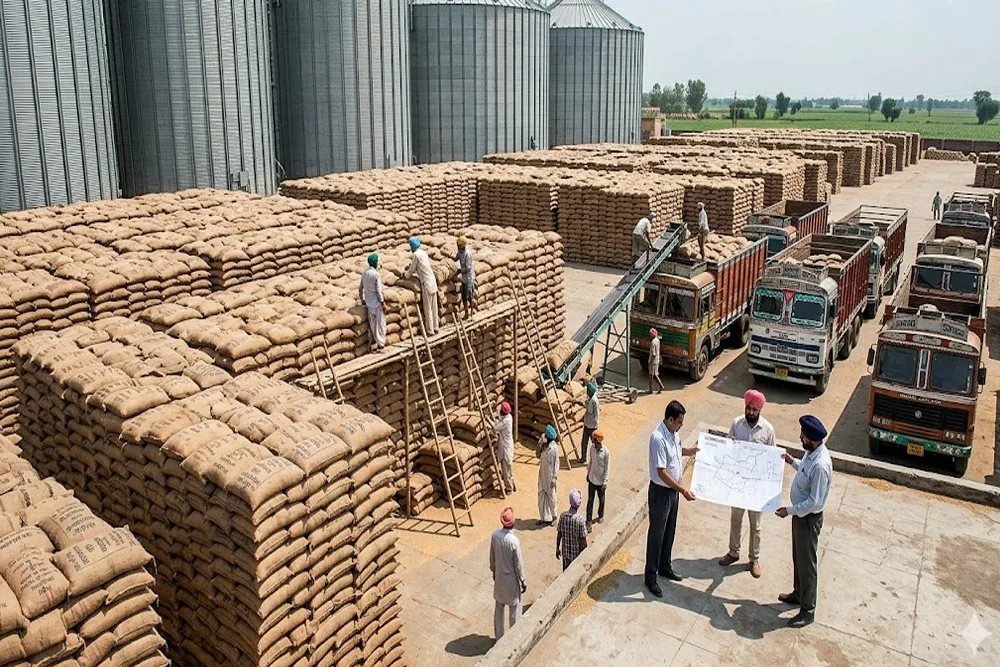
Telangana’s sudden rise as a major rice-producing state is now presenting a new set of challenges. Over the past decade, rising irrigation coverage, government procurement support, and favourable policies have motivated farmers to increase paddy cultivation. Consequently, the state has become one of India’s leading rice producers, contributing substantially to national food grain stocks.
However, this success has raised concerns over surplus production, mounting storage requirements, and the long-term sustainability of rice-centric farming. Authorities are witnessing increasing pressure to manage excess stocks and storage infrastructure efficiently since the procurement volumes are rising sharply. According to experts, continuous paddy cultivation places significant stress on water resources and soil health, raising environmental concerns.
Responding to this, policymakers and agricultural experts are encouraging crop diversification as a sustainable solution. Farmers are being requested to shift a portion of their land toward pulses, oilseeds, maize, and horticultural crops, which can provide better resource efficiency and market opportunities. Not only this, but diversification is also expected to decrease dependency on rice, enhance farm incomes, boost resilience against market changes, and support sustainable agricultural growth. Telangana’s evolving strategy indicates a broader effort to balance food security with long-term economic and environmental sustainability.
Share this article
Article Info
Read Time
4 min read
Published
17 Jun 2026
Author
Megha Bajaj
Category
Rice News