Top Rice News: Diesel shortage in Bangladesh, India Export Prices Surge & Rising Fertiliser Costs
Top Rice News Today includes Diesel shortage in Bangladesh due to the Middle East Conflict, India’s export Rice price rise on stronger demand and Global rate hikes amid Middle East tensions and rising fertiliser costs threaten rice output in the Philippines.
War‑Fuelled Diesel Crunch Disrupts Irrigation in Bangladesh; Rice Crop at Risk
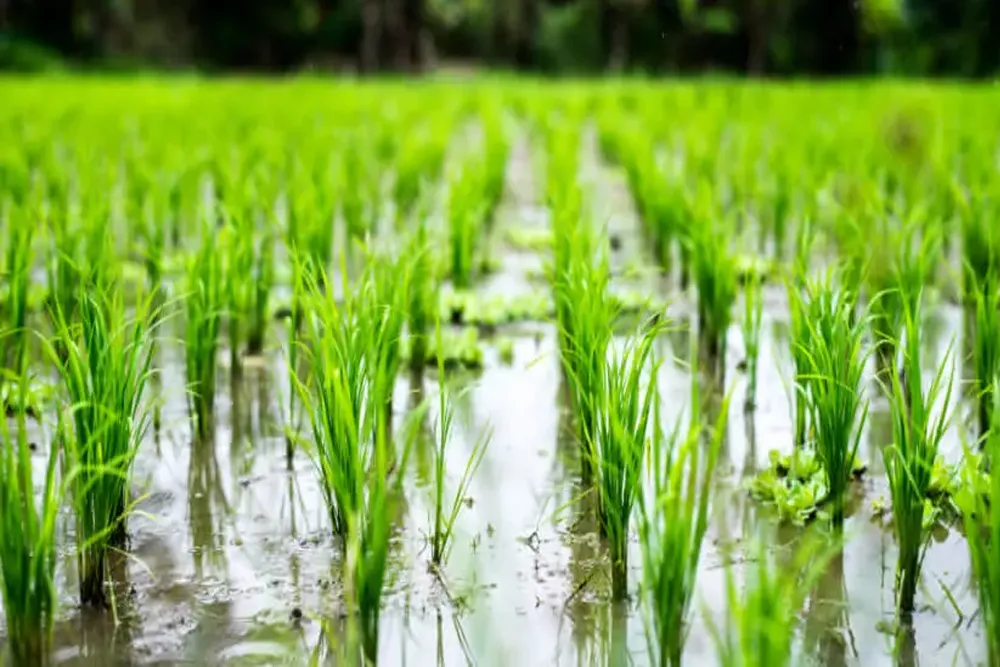
Amid ongoing Middle East Tensions, a diesel shortage has been reported in Bangladesh, severely impacting irrigation during a crucial phase of the paddy planting season. It has left thousands of farmers struggling to secure fuel for irrigation pumps. Long queues can be seen at fuel stations, forcing farmers to work day and night, along with waiting for several hours. Not only this, but it has also threatened rice seedling growth and raised fears of lower production and food price inflation. Notably, Bangladesh depends on imported fuel. Disturbances to supply and price volatility are constraining agricultural activity. Moreover, it is potentially endangering the staple rice crop. However, some farmers have stocked up before the crisis intensified. But they warned that the situation would worsen. One of the farmers said, “If this continues, those reserves will run out. Then everyone will suffer.” Diesel-powered irrigation is essential across rural Bangladesh, with supplies strained at the start of the planting cycle. Farmers fear the disruption could further push up already high food prices.
India Export Rice Prices Rise on Stronger Demand and Global Rate Hikes Amid Middle East Tensions
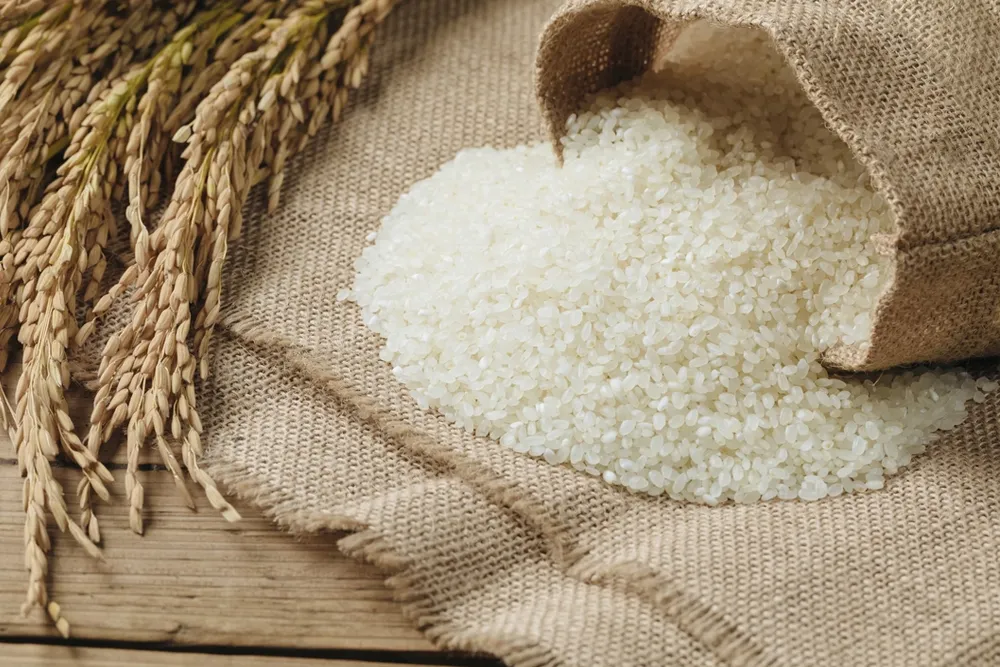
India’s rice export prices have increased this week, which is supported by improved demand and a firmer rupee, whereas rising costs associated with the war in the Middle East added pressure on Vietnamese and Thai rates. There is no doubt in this fact that India’s rice exports have been significantly affected by the Middle East tensions. India’s 5% broken parboiled variety was quoted this week at $344-$350 per metric ton, up from last week’s $341-$348, reflecting better demand and currency strength. In addition, Prices for Indian 5% broken white rice were at $338-$344 per ton. The gained rupee has prompted traders to raise export prices, whereas demand is gradually recovering.
According to traders, Vietnam’s 5 % broken rice was offered at $375-$380 per metric. Export activity has strengthened in recent weeks as buyers intensified stockpiling amid expectations of higher prices linked to the Iran war. Including higher costs for shipping and fertilisers. Traders in Bangkok asserted that the Middle East Conflict drove up input costs, such as shipping fuel costs and domestic rice prices, and a stronger baht also pushed prices higher. Nevertheless, demand remained weak with shipments largely limited to regular customers, noting that overall buying activity was subdued. Notably, Rice prices in Bangladesh have remained elevated, whereas the fuel shortage has disrupted rural areas, leaving tens of thousands of farmers struggling to secure diesel for irrigation at a critical stage of the paddy season.
Rising Fertiliser Costs Threaten Rice Output in the Philippines
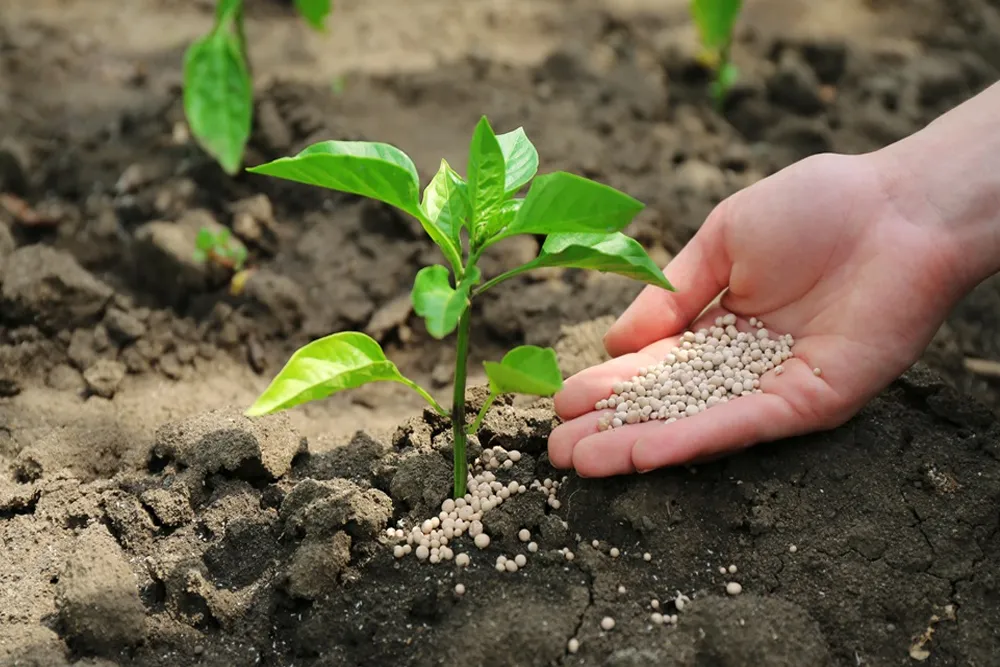
Interestingly, the Middle East War has created a ripple effect globally. The Department of Agriculture has warned that soaring fertiliser costs driven by global supply, implicitly linked to the Middle East war, could slash the country’s rice production by 20%-50% if urgent action is not taken. The expected reduction is because of the rising cost of fertiliser, which has been driven up by the war in the Middle East. These price hikes significantly increased production costs for Filipino farmers, threatening planting activities in the upcoming months. Agriculture officials have focused on the fact that the situation poses a dual risk impacting both farmer livelihoods and the country’s overall food security. Reduced rice production could lead to supply shortages and increased prices in domestic markets, further intensifying inflationary pressures. Not only this, but authorities are also now considering urgent interventions to stabilise input costs and support farmers.
Share this article
Article Info
Read Time
4 min read
Published
10 Apr 2026
Author
Megha Bajaj
Category
Rice News