Top Rice News: Telangana’s Global Exports, Myanmar’s New Farming Approach, and Bangladesh’s Nutrient Rice Struggles
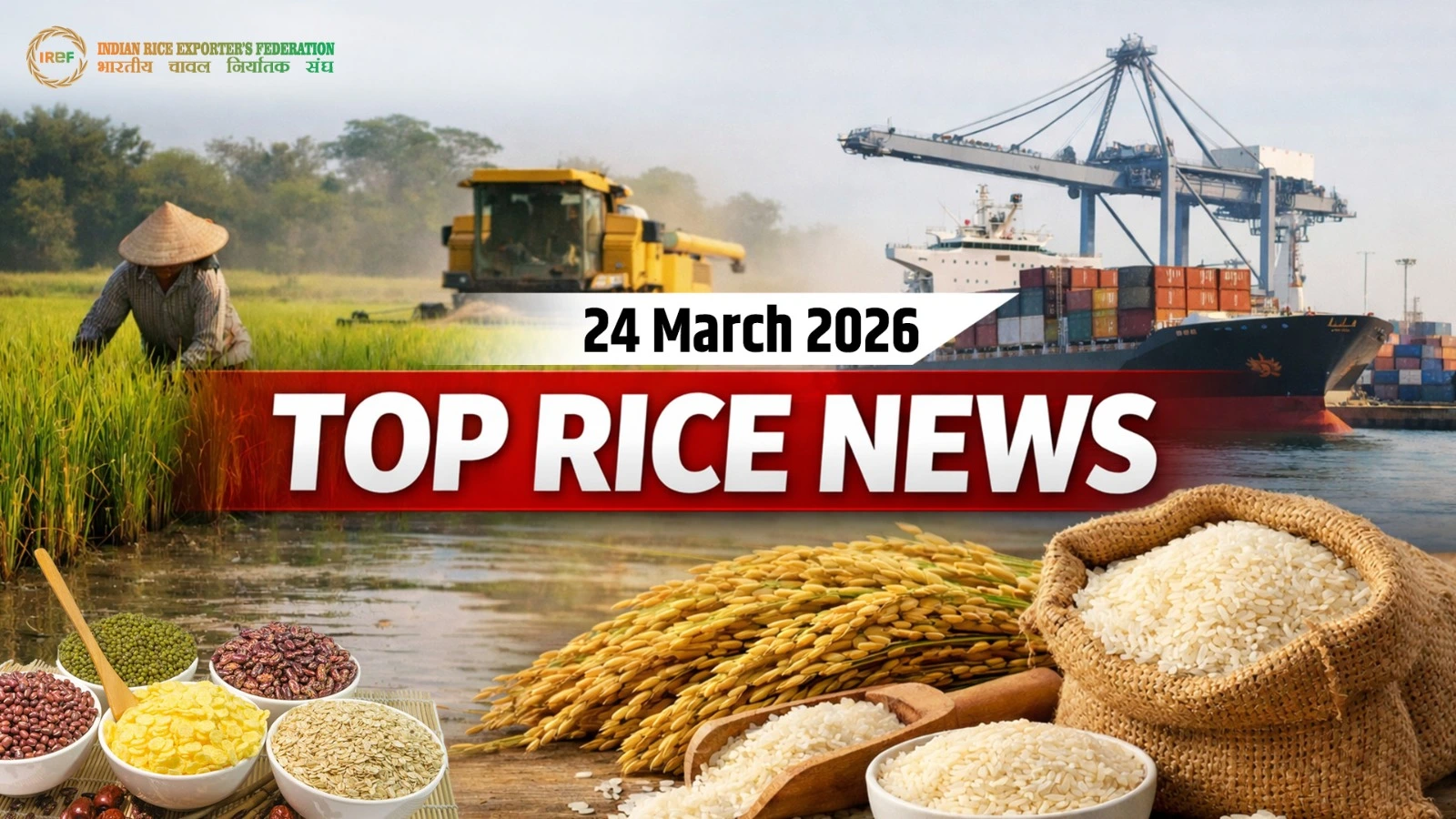
Top rice news includes Telangana emerging as a global rice market, Myanmar’s new rice farming approach, the struggle of Bangladesh’s Nutrition‑Rich Rice and Nepal’s import of paddy and rice.
Telangana emerges as a global rice market with a direct export deal to the Philippines
On Monday, March 23, the BRS staged a protest in the Telangana Assembly, seeking a suitable response from Civil Supplies Minister N. Uttam Kumar Reddy regarding the export of rice to the Philippines. In his question, BRS MLA T Harish Rao sought details on the rice exports to the Philippines and the appointment of Premchand Garg as advisor. Garg was facing cases booked by central agencies, including the Enforcement Directorate (ED). He said a scam took place in the export of rice. Rao wanted to constitute a House Committee to probe into the scam. Responding to this, Minister Reddy clarified that Telangana has become a global rice market. Notably, the Telangana government has entered into an agreement with the Philippine government for exporting rice from Telangana, eliminating the middlemen's role. He stated that it's a historic agreement and there is no scam in it, and assured that the State government would purchase the last grain from farmers at the minimum support price during the Rabi season. In addition, the Minister said that the State government was committed to providing a Rs 500 bonus to farmers on fine rice, and Rs 3,500 crore was allocated for giving a bonus.
Myanmar’s rice farming gets a new approach with China's cooperation
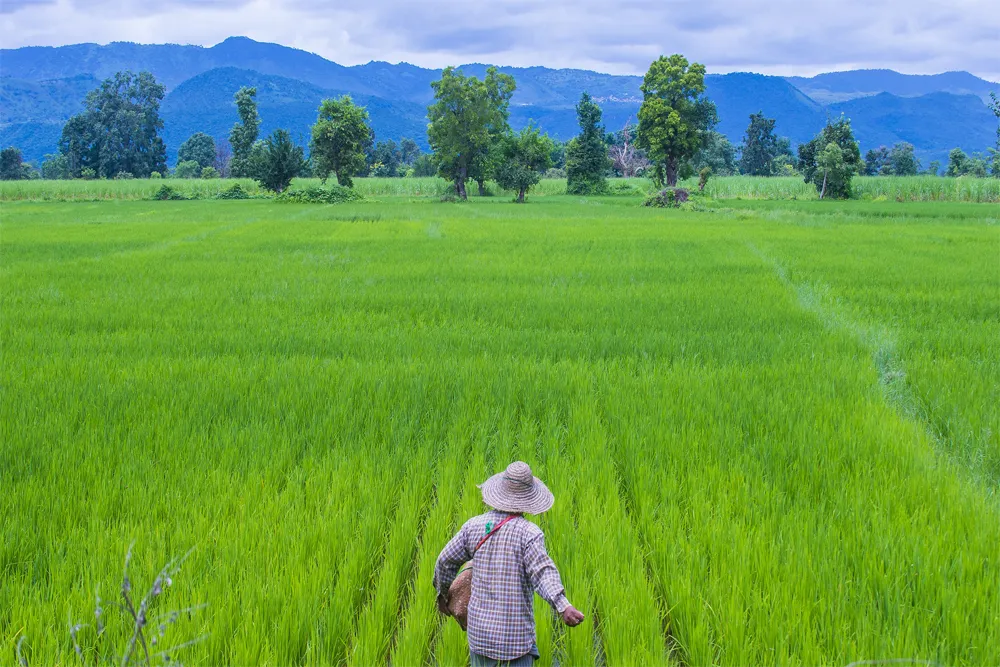
Myanmar’s rice farming sector is undergoing a significant transformation through enhanced cooperation with China, introducing new methods and technologies to modernize agricultural practices. Under this partnership, Myanmar is implementing innovative agricultural services, including advanced irrigation systems, mechanised farming tools, and training programs that equip farmers with knowledge of best practices. In addition, the cooperation focuses on fertiliser production models, ensuring access to high-quality, cost-effective fertilizers that can improve soil health and boost crop yields. These initiatives are designed to revitalise cultivation practices, moving away from traditional farming constraints that have historically limited productivity. By adopting these improved techniques, farmers can cultivate rice more efficiently, reduce losses, and achieve higher output per hectare. Beyond productivity, the cooperation also emphasizes support systems for farmers, including access to credit, supply chain integration, and marketing assistance, enabling them to secure better prices for their produce. Overall, the China–Myanmar agricultural collaboration aims to enhance rice output, improve livelihoods, and strengthen food security in the region. If successfully implemented, these reforms could serve as a model for modernizing agriculture in other developing countries facing similar challenges.
Bangladesh’s Nutrition‑Rich Rice Struggles as Farmers Chase Higher Yields
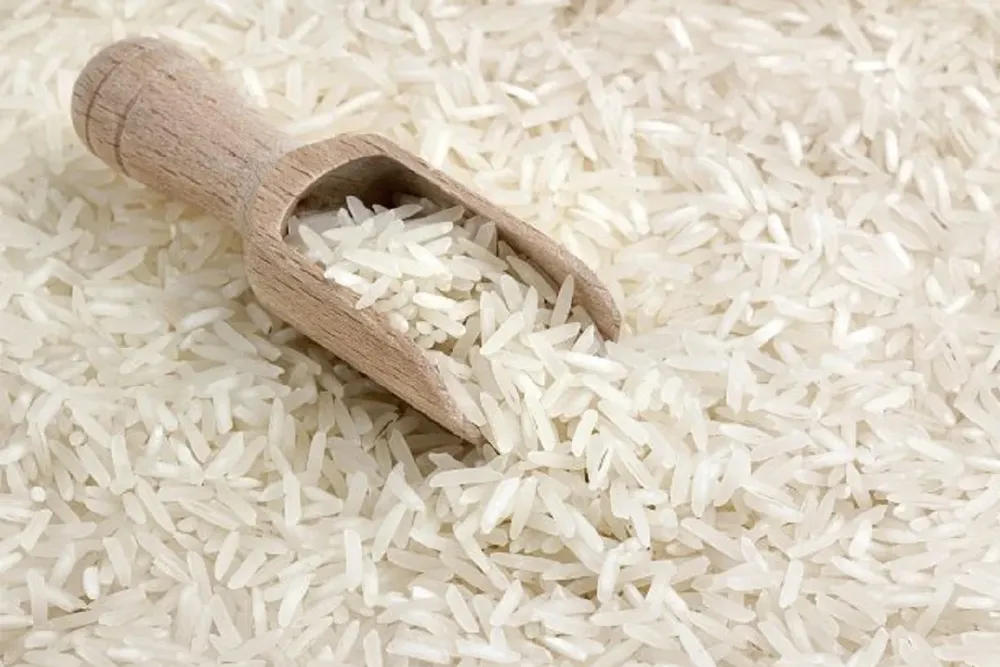
In Bangladesh, efforts to promote nutrition-rich rice varieties, such as zinc- and iron-enriched BRRI Dhan 84, are facing significant challenges. While these varieties are specifically developed to improve public health by addressing micronutrient deficiencies, farmers are increasingly prioritizing higher-yielding traditional rice strains over nutritionally enhanced ones. One of the main obstacles is market demand: growers often struggle to sell nutrient-fortified rice at prices that make cultivation profitable. In many cases, farmers are unable to recover the costs of seeds and fertilizers for these specialized varieties, leading some to sell their harvest cheaply, sometimes even at rates comparable to poultry feed. This economic reality is discouraging adoption and threatening the sustainability of nutrition-focused agricultural programs. Experts warn that without market incentives, proper pricing mechanisms, and public awareness campaigns, the push for fortified rice may stall, leaving populations vulnerable to iron and zinc deficiencies. Addressing both the economic and awareness gaps is essential to ensure that Bangladesh’s rice sector not only meets food security needs but also contributes to better nutritional outcomes for its citizens.
Nepal imports paddy and rice worth Rs 28 billion in eight months
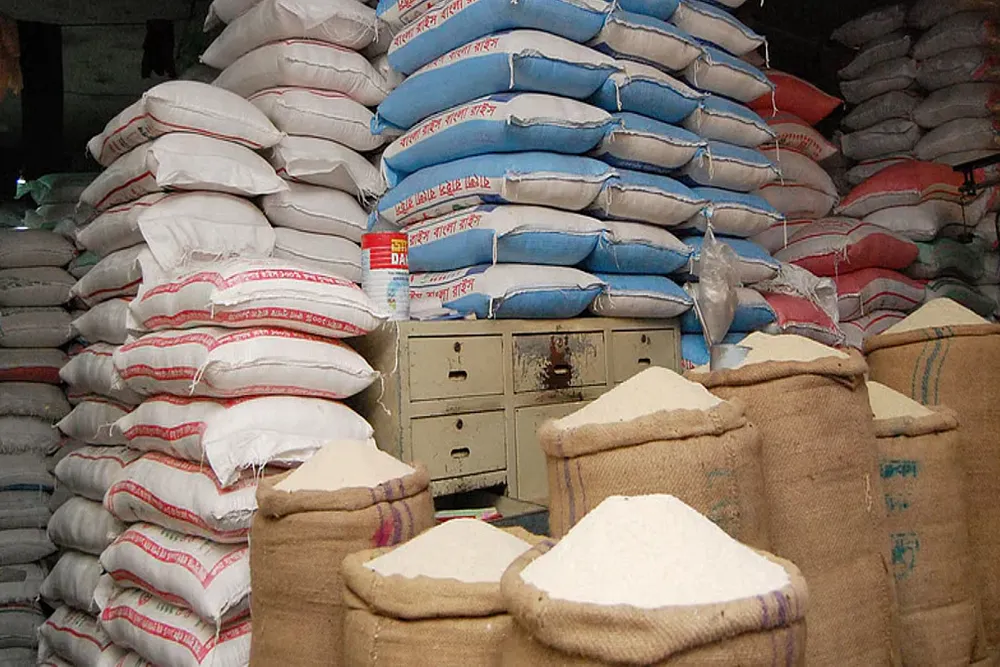
According to sources, Nepal's dependence on food imports has been increasing of late. The country has imported paddy and rice worth Rs 28 billion in the first eight months of the current fiscal year. The Data from the Department of Customs has illustrated that Nepal imported paddy and rice worth Rs 27.948 billion in the first eight months of the current fiscal year 2025/26. Not only this, but the data also shows that the import rate has been continuously increasing. More than 384.8 million kilograms of paddy worth Rs 14.14 billion were imported during this period, whereas 123.9 million kilograms of rice worth Rs 7.915 billion were imported. In addition, around 51.9 million kilograms of basmati rice worth Rs 5.843 billion were imported.Until mid-February, imports had already climbed to Rs 25.12 billion, and in the month of Falgun (mid-February to mid-March) alone, additional imports worth more than Rs 2.5 billion were observed.
Share this article
Article Info
Read Time
4 min read
Published
24 Mar 2026
Author
Megha Bajaj
Category
Rice News