Top Rice News Today: FCI Broken Rice for Ethanol, Global Trade Hit, Japan Prices Fall and Japan Rice Prices Fall
Top Rice News Today: FCI Broken Rice for Ethanol, Global Trade Hit, Japan Prices Fall and Japan Rice Prices Fall
Top Rice news includes FCI Broken Rice for Ethanol, Global Rice trade hit due to Middle East conflict, and Japan rice prices fall below key threshold
Government to Redirect 90 Lakh Tonnes of FCI Broken Rice to Ethanol Industry
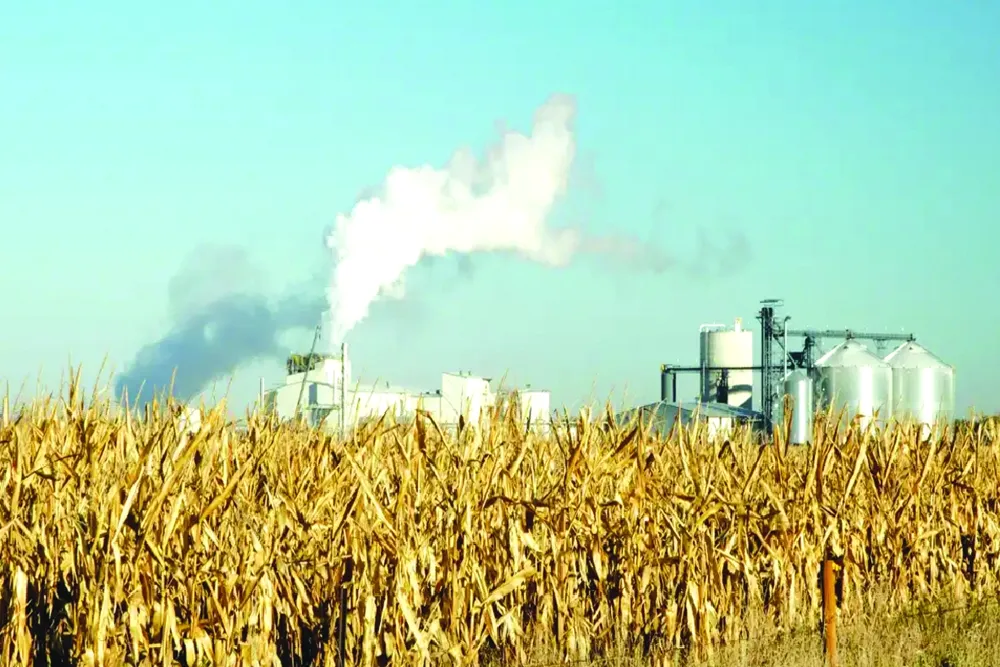
As per recent updates, the government is planning to redirect 90 lakh tonnes of broken rice from the Food Corporation of India (FCI) to the ethanol industry starting next year. The Ministry of Food will approach the Cabinet with a proposal to decrease the allocation of broken rice in grains distributed under the Public Distribution System (PDS) from 25 per cent to 10 per cent. Notably, on Tuesday, March 24, Food Secretary Sanjeev Chopra said that this change is expected to free up roughly 90 lakh tonnes of broken rice annually for the ethanol sector.
While addressing an event, Chopra stated that India's ethanol blending in petrol has already climbed 20 per cent, up from just 1.5 per cent in 2013, which facilitated the country saving over Rs 1.63 lakh crore in foreign exchange and reducing crude oil imports by 277 lakh metric tonnes since 2014. Moreover, the government is now looking beyond supply-side measures and focusing on increasing ethanol availability in the market. Raising the blending limit above 20 per cent, blending ethanol with diesel, and promoting flex-fuel vehicles are all being actively considered, with decisions expected soon. Furthermore, he cited that Climate change is a reality. We need to ensure that the supply chain is not disrupted. A steady supply of broken rice to the ethanol sector will help in this regard. Currently, the broken rice constitutes 25 per cent of the grains distributed free of cost to nearly 80 crore people under the government's food security scheme.
Global Rice Trade Sees Disruption as Middle East Conflict Hits US Exports

According to a recent report, the ongoing Middle East conflict is causing significant disruptions in the global rice trade, particularly affecting US exports. Notably, Tensions Centered around the Strait of Hormuz, have added new layers of uncertainty for exporters and importers alike. Whereas global rice prices have eased recently due to ample supply and weaker demand in some regions, shipments from the United States to major buyers including Iraq and Saudi Arabia are witnessing delays, cancellations, and logistical challenges. Interestingly, Exporters are also facing higher operational costs as freight charges, fuel prices, and insurance premiums increase in response to geopolitical instability. These rising expenses are putting pressure on long grain rice exporters, impacting profit margins and creating uncertainty about future contracts. The situation highlights the consequences extend far beyond oil markets. Agricultural supply chains, particularly for staples including rice, are becoming increasingly vulnerable to political tensions, shipping bottlenecks, and regional instability.
Analysts warn that if the conflict continues, it could further disrupt international rice markets, affecting prices, availability, and trade flows across Asia, the Middle East, and Africa. Countries reliant on US rice imports may need to seek alternative suppliers or adjust their procurement strategies. This scenario highlights how global agricultural trade is deeply interconnected with geopolitical events, making stability in key regions essential for food security and international market confidence
Japan Rice Prices Fall Below Key Threshold as Supply Pressures Ease
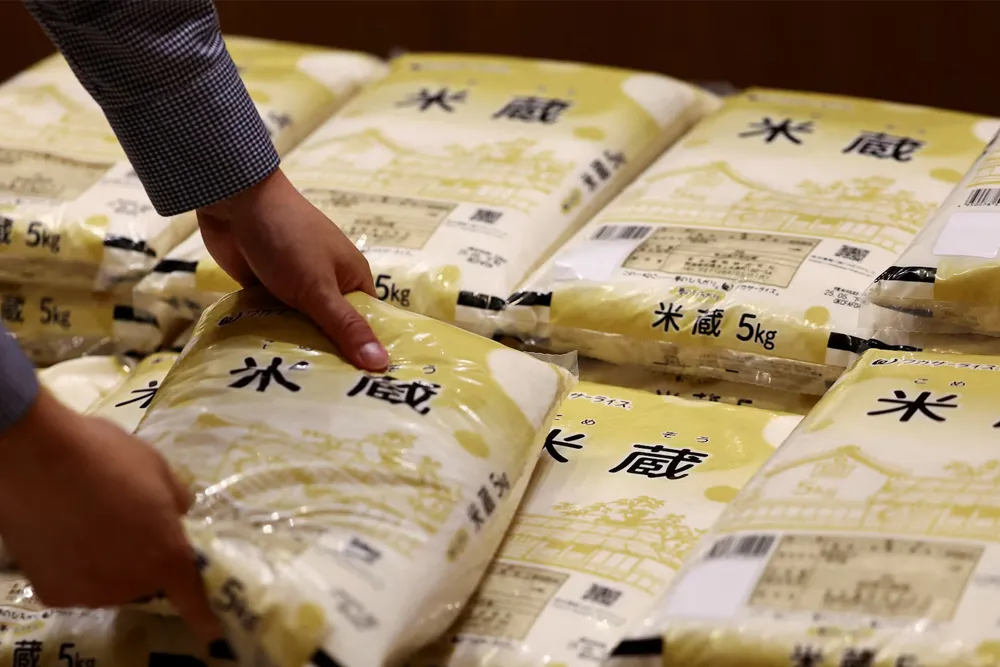
As per recent updates, Japan rice prices drop below JPY 4000 for first time in seven months, reflecting eased supply pressures after last year’s surge. Not only this, but data from the agriculture ministry in Tokyo shows that rice sold at nearly 1,000 supermarkets averaged JPY3,980 per 5kg in the week to March 15, dropping JPY33 from the previous week. The decline marks a fifth consecutive weekly drop in rice prices and is the first fall below the JPY4,000 level since August 2025.
In addition, prices had briefly fallen below the threshold last year following the release of government stockpiles, before rebounding as the newly harvested crop entered distribution. Subsequently, the rise was driven by increased advance payments from agricultural cooperatives to farmers. However, rice supply conditions have now softened. Notably, this is partly due to the 2025 Japan rice harvest exceeding demand leading to price decline, contributing to downward pressure on prices.
As of March 26, the average price of lower-cost blended rice dropped by JPY54 to JPY3,701 per 5 kg, while brand Japanese rice, including 2025 harvests, fell by JPY25 to JPY4,089, highlighting a weekly decline in Japanese rice prices across supermarkets.
Share this article
Article Info
Read Time
4 min read
Published
25 Mar 2026
Author
Megha Bajaj
Category
Rice News