Top Rice News: India’s Push For Basmati GI Tag, Bhutan’s Rice Bowl & Boro Paddy Outlook In Nepal
Top rice news includes India’s Push for Basmati Rice GI Tag Inclusion in EU FTA Talks, Bhutan’s Rice Bowl under Climate Pressure and enhancing Boro Paddy in Nepal through rain
India Pushes for Basmati Rice GI Tag Inclusion in EU FTA Talks Amid Pakistan Claim
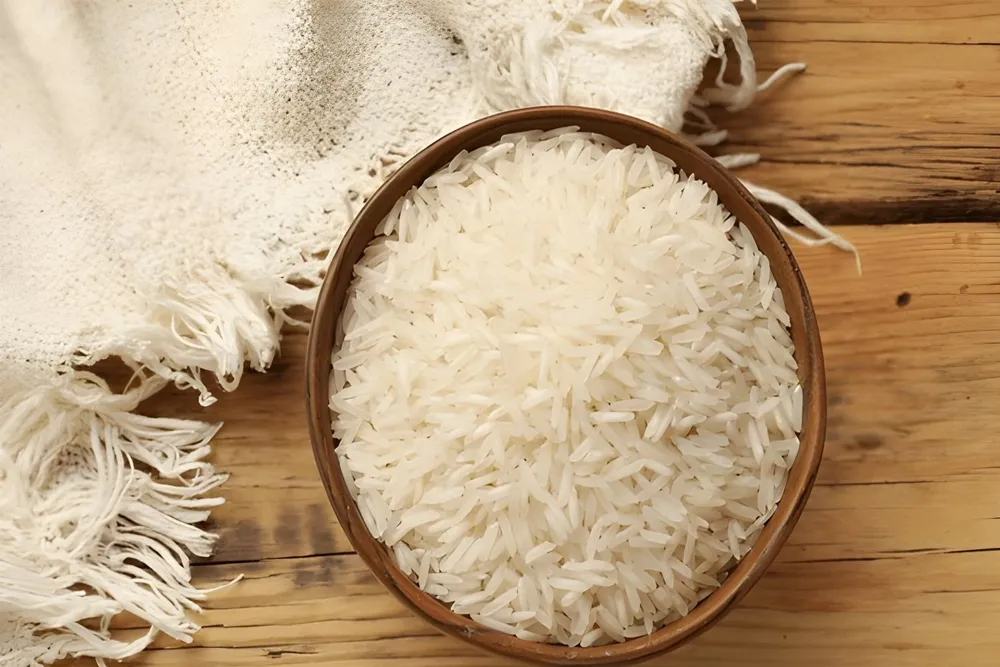
According to reports, India is focusing on the fact that the protected Geographical Indication (GI) status for basmati rice should be included as part of the ongoing Free Trade Agreement (FTA) negotiations with the European Union. Moreover, it should not be treated as separate issue. Sources suggest that the European Union has considered the possibility of dissecting the GI matter from the broader trade discussions, but India is resisting this approach. The country has been waiting for numerous years for its Geographical Indication application for basmati rice to be formally recognized by the European Union. In addition, Experts warn that separating the GI issue, particularly in light of Pakistan’s competing GI filing for basmati rice, could ultimately weaken India’s negotiating position and complicate the FTA process.
Notably, the GI tag is regarded as a crucial mechanism to protect India’s long-grain aromatic basmati in the European market while making sure that only rice grown in designated regions of India can be marketed under the Basmati name. Apart from safeguarding cultural and regional authenticity, the designation is also expected to strengthen export value significantly. Given its strategic importance, New Delhi is unlikely to agree to any arrangement that would dilute or share its GI claim within the Free Trade Agreement framework of India EU free trade agreement Basmati GI negotiations, Geographical Indication protection for basmati rice in Europe and impact of GI tag on basmati rice export value.
Bhutan’s Rice Bowl Under Climate Pressure: Production Falls as Water, Labour and Weather Challenges Grow
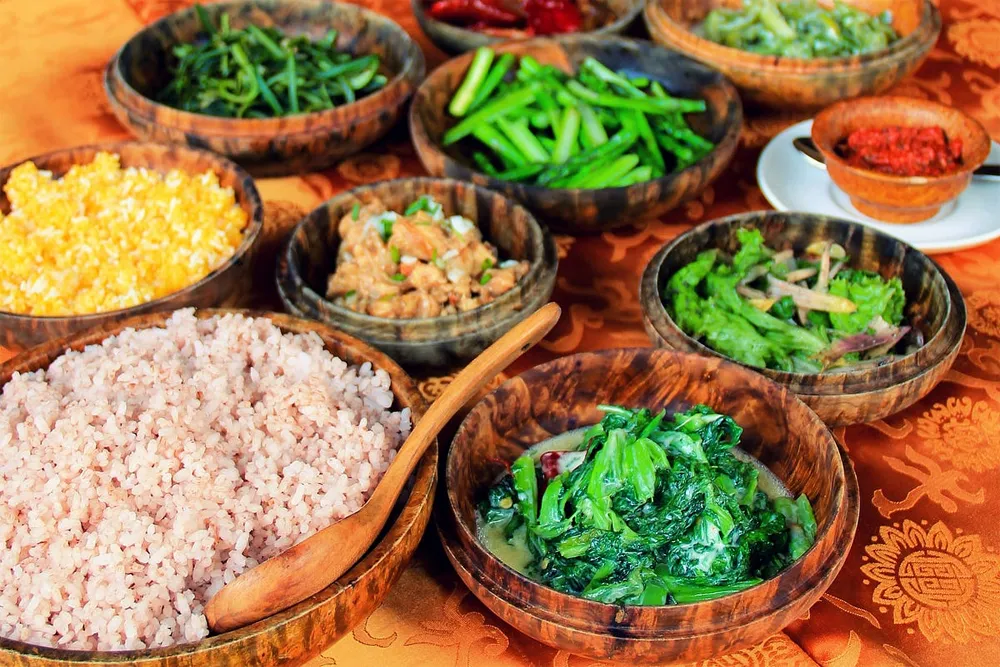
Notably, Bhutan’s rice-growing regions, which play significant role in the country’s food security, are combating with increasing pressures from various challenges. These are Climate change, unpredictable rainfall patterns, and water shortages are obstructing the traditional paddy cultivation, especially in significant rice belts such as Punakha and Radhi, where delayed and erratic monsoon rains usually disrupt irrigation schedules. Not only this, but shrinking farmland and labour shortages are further compounding the problem, decreasing the overall rice yields and threatening the sustainability of Bhutan’s agricultural systems.
Significantly, farmers are also dealing with rising production costs, human-wildlife conflicts, and reduced participation from younger generations as the generations are moving away from agriculture in search of other economic opportunities. These factors are making it harder to sustain traditional rice-farming practices, which have long been central to Bhutanese culture and rural livelihoods. Consequently, domestic rice production now meets only a portion of the national demand, forcing Bhutan to increasingly depend on imports, primarily from India, to fill the gap. This growing dependency highlights the urgency of implementing climate-change impact on rice farming in Bhutan, challenges in traditional paddy cultivation in Punakha and Radhi regions and increasing reliance on rice imports in Bhutan due to low domestic production along with the need to implement climate-resilent farming practices, improve irrigation infrastructure, and supporting farmers with both financial and technical assistance to secure the country’s food supply in the face of evolving environmental and social challenges.
Rain Improves Boro Paddy Outlook in Nepal, But Farmers Face Falling Prices
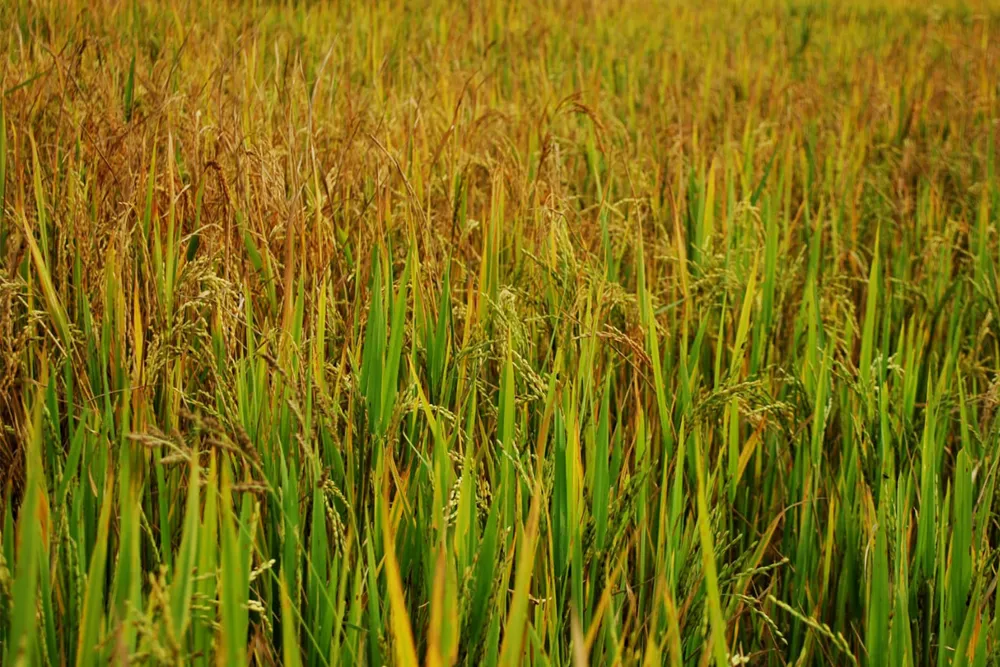
As per recent updates, pre-monsoon rains in Nepal have led to favourable conditions for the transplanting of Boro (Chaitra) rice, ultimately giving farmers a renewed hope for higher yields this season. Notably, the rainfall has provided essential moisture to the fields, preventing seed drying and promoting healthy early growth, which is crucial for establishing strong rice seedlings. Interestingly, farmers are optimistic that these conditions could translate into better production compared to previous years, especially in regions that depend heavily on timely pre-monsoon showers for successful planting.Despite the positive outlook for crop growth, market challenges continue to create concerns for farmers. Interestingly, rice prices have fallen sharply compared with last year, partly due to an increase in imports, which has decreased profitability and made it more difficult for farmers to cover production costs. Not only this, but the government has also been actively promoting the use of improved rice seed varieties and encouraging mechanization under various agricultural programme to address these challenges and enhance productivity. Moreover, these initiatives aim not only to increase rice yields but also to decrease reliance on the monsoon-dependent traditional rice cycle, offering farmers with more stable and resilient production systems. This situation highlights significant issues such as impact of pre-monsoon rainfall on Boro rice cultivation in Nepal , decline in rice prices due to increased import in Nepal market, and government initiatives for mechanization and improved rice seed varieites in Nepal agriculture.
Share this article
Article Info
Read Time
4 min read
Published
31 Mar 2026
Author
Megha Bajaj
Category
Rice News