Top Rice News: TN Stock Limits, Ancient Grains & Odisha Millers

Top rice news today highlights three major developments shaping India's rice sector and Bengal's agricultural history. Tamil Nadu has imposed stock limits on rice, paddy, and pulses to curb hoarding and control rising food inflation. Archaeological discoveries in Bengal reveal ancient rice cultivation, diverse crops and agricultural exchanges. Meanwhile, Odisha rice millers have threatened to halt paddy procurement over pending demands, accumulated rice stocks, storage shortages, and unpaid dues, raising concerns about procurement operations and farmers' interests across the state.
Why is Tamil Nadu imposing stock limits on Rice and Pulses Amid Rising Inflation?
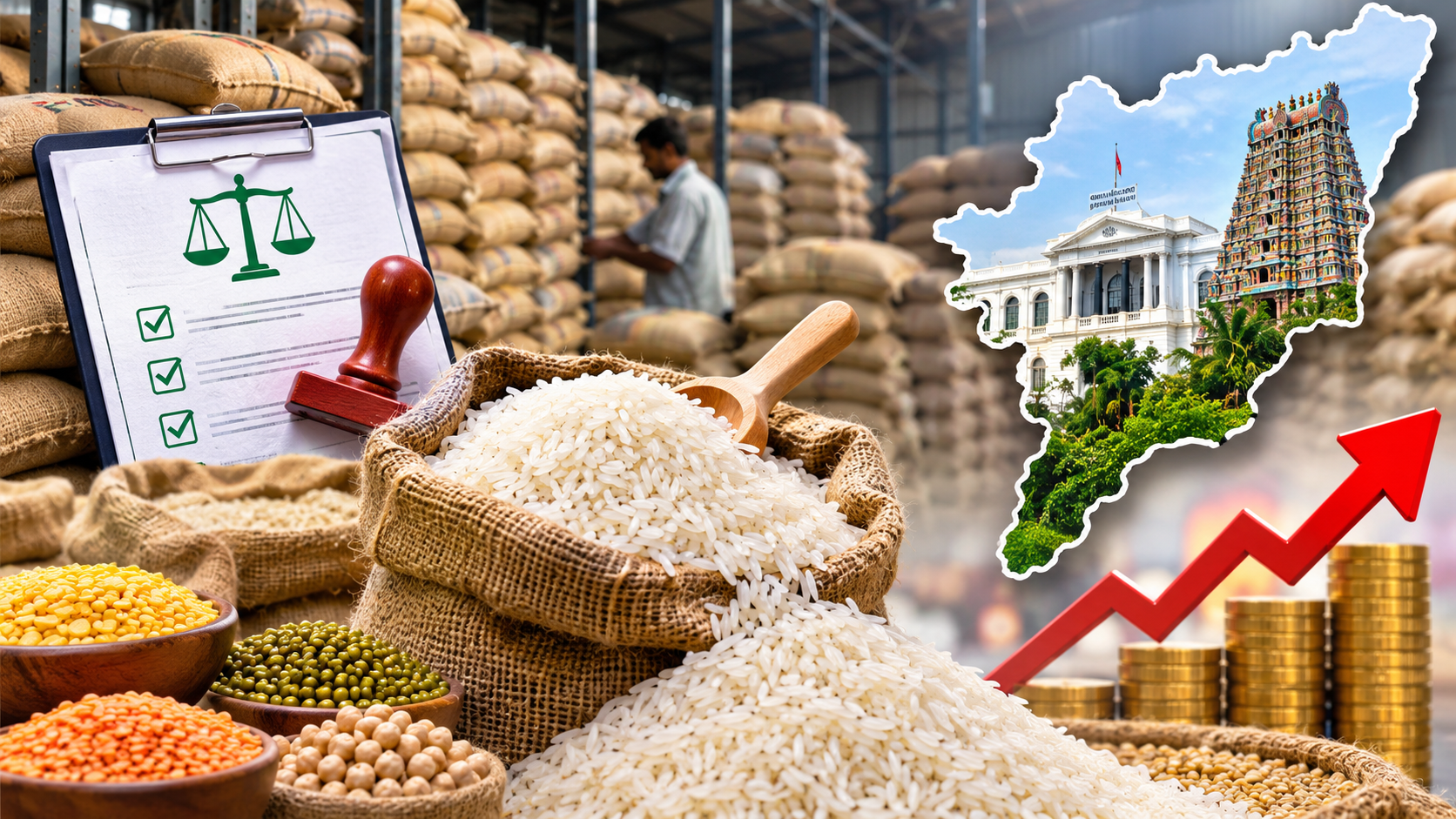
As per recent updates, the Tamil Nadu government has imposed strict stock limits on rice, paddy and pulses. It aims to curb hoarding and control rising food prices. Under the new regulations, wholesalers can hold a maximum of 2,000 metric tonnes of rice or paddy, whereas retailers are restricted to 8 metric tonnes per outlet. For tur and urad dal, wholesalers can stock up to 200 metric tonnes of each variety. Retailers are limited to 5 metric tonnes. Moreover, rice millers cannot hold more than one month's rice production, and importers must sell imported stocks within 45 days of customs clearance. Businesses exceeding these limits must comply by November 16, 2026. Notably, the measures come as Tamil Nadu recorded 7.29% inflation in October, the highest among Indian states. The government aims to enhance supply availability and stabilise essential commodity prices.
How Ancient Rice Grains Reveal Bengal’s Agricultural History?
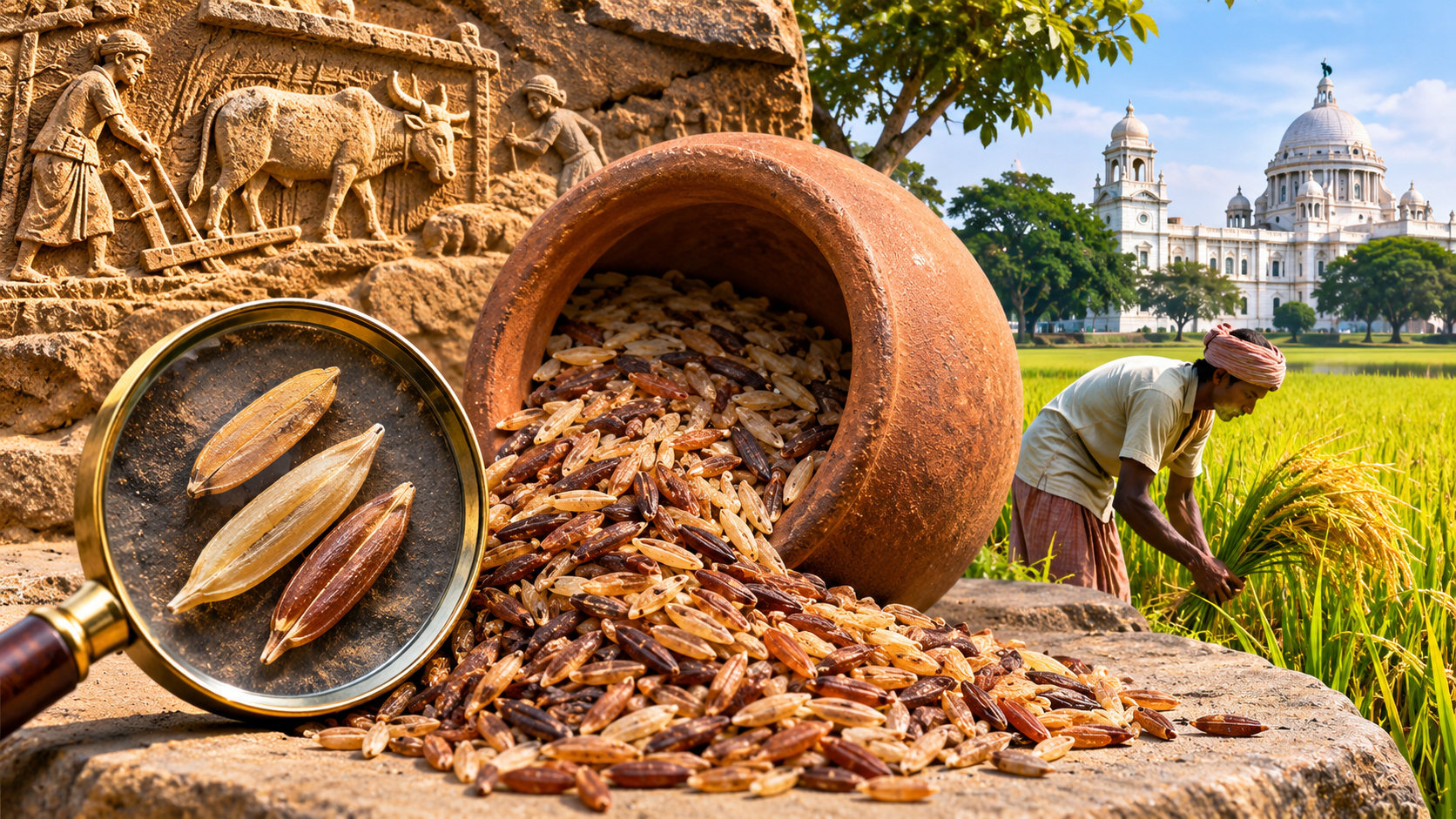
Archaeological discoveries in Bangladesh are uncovering how rice shaped the lives, food habits and economies of ancient Bengal thousands of years ago. Researchers recovered thousands of charred seeds and plant remains from two archaeological sites that are Wari-Bateshwar in Narsingdi and Raghurampura in Munshiganj. By applying a technique called bucket flotation, scientists identified evidence of rice cultivation, 14 varieties of pulses, mustard, sesame and cotton. In addition, this findings reveal agricultural practices adapted to seasonal flooding and changing river conditions. Moreover, evidence of rice varieties and crops associated with Southeast Asia suggests historical agricultural exchanges between Bengal and neighbouring regions. Researchers say these discoveries illustrate that rice farming helped in building permanent settlements, supporting local economies and shaping
Bengal’s social development.
Why Do Odisha Rice Millers Threaten to Halt Paddy Procurement?
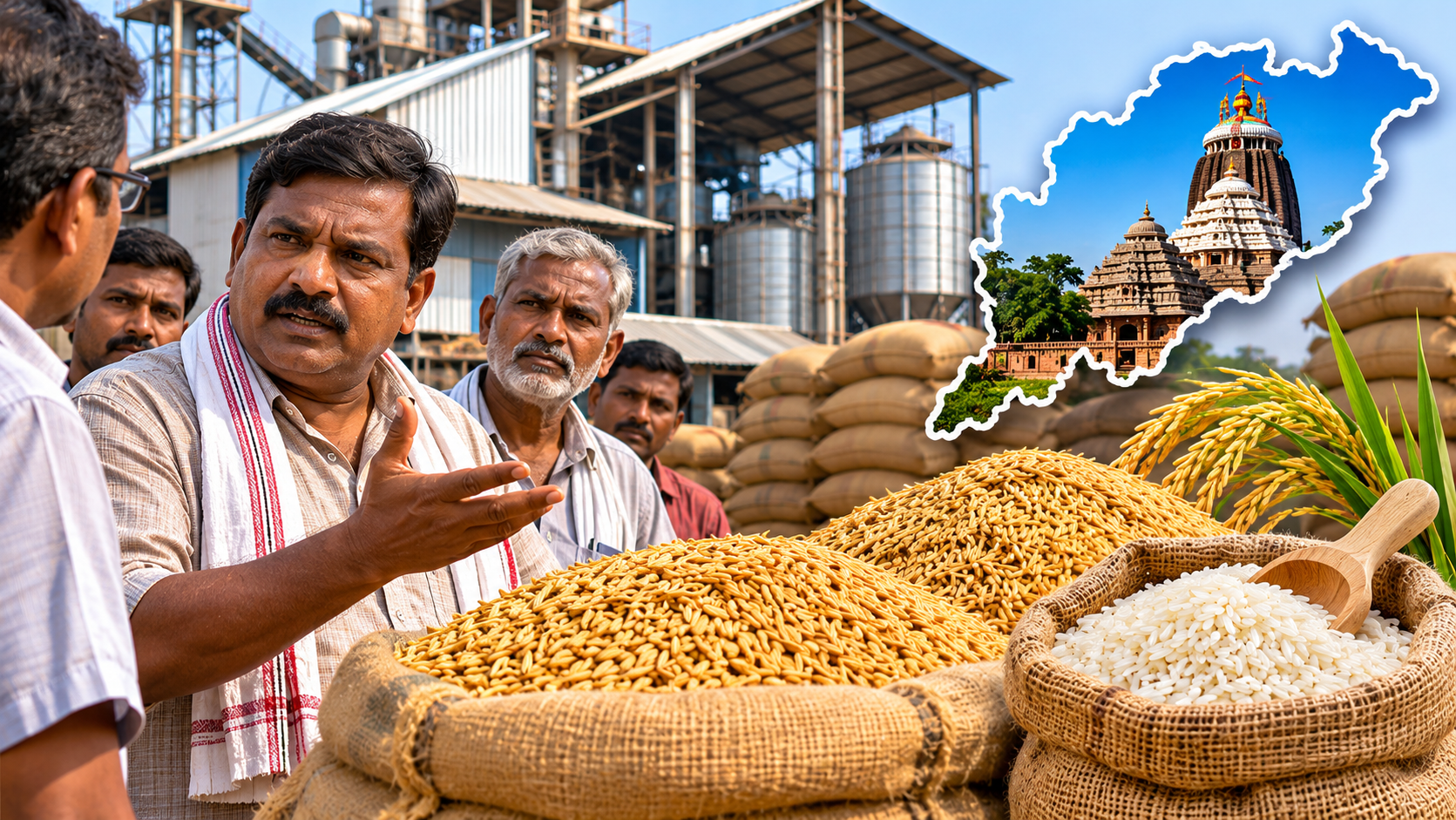
Rice procurement operations in Odisha could face obstacles from December 1 since the All Buha Rice Millers Association has threatened to stop lifting paddy until the state government addresses its pending demands. The association has issued a 10-day ultimatum and submitted a 12-point charter, demanding immediate clearance of accumulated rice stocks. According to the association, nearly 30 lakh metric tonnes of processed rice remain stored in mills out of approximately 63 lakh metric tonnes. It created a severe shortage of storage space ahead of the new procurement season. In addition, rice millers have demanded higher transportation charges, revised drying and shrinkage allowances, and clearance of outstanding payments. They have warned against fresh registration for procurement until existing stocks are lifted. The potential disruption could affect paddy procurement, rice milling operations, and farmers across Odisha.
Share this article
Article Info
Read Time
3 min read
Published
15 Nov 2026
Author
Megha Bajaj
Category
Rice News