Top Rice News: SK Production Falls, Basmati Prices & Open Market Sale

Top rice news today highlights major developments in the global rice market, with South Korea recording its fifth consecutive annual decline in rice production as cultivation areas shrink and consumption patterns shift. Meanwhile, Indian basmati prices have softened as buyers step back from the earlier rally, although premium export varieties remain relatively stable. In Bangladesh, the government has introduced a subsidised rice distribution programme, offering rice at Tk 30 per kg to garment workers to ease rising living costs. These developments reflect changing production trends, market sentiment, and government interventions shaping the regional rice industry.
South Korea’s Rice Production Drops for Fifth Consecutive Year

According to the Ministry of Data and Statistics, South Korea’s rice production dropped for the fifth consecutive year in 2026. Notably, it has fallen 0.9% year-on-year to approximately 3.5 million tonnes. The output represents the fourth-lowest level since records began in 1965. The reduction was caused by shrinking rice cultivation areas, which dropped 1.1% to 670,000 hectares, the smallest area on record. Moreover, changing dietary preferences have decreased domestic rice consumption, prompting the government to encourage farmers to shift towards alternative crops as part of its production management policies.
In addition, despite lower overall output, productivity rose slightly to 524 kilograms per 1,000 square metres. When it comes to region wise, Jeonnam-Gwangju recorded the highest production at 736,000 tonnes, followed by South Chungcheong with 681,000 tonnes and North Jeolla with 526,000 tonnes. Generally, this decline highlights structural changes in South Korea’s agricultural sector and evolving domestic food consumption patterns.
Indian Basmati Prices Soften as Buyers Retreat After Earlier Rally
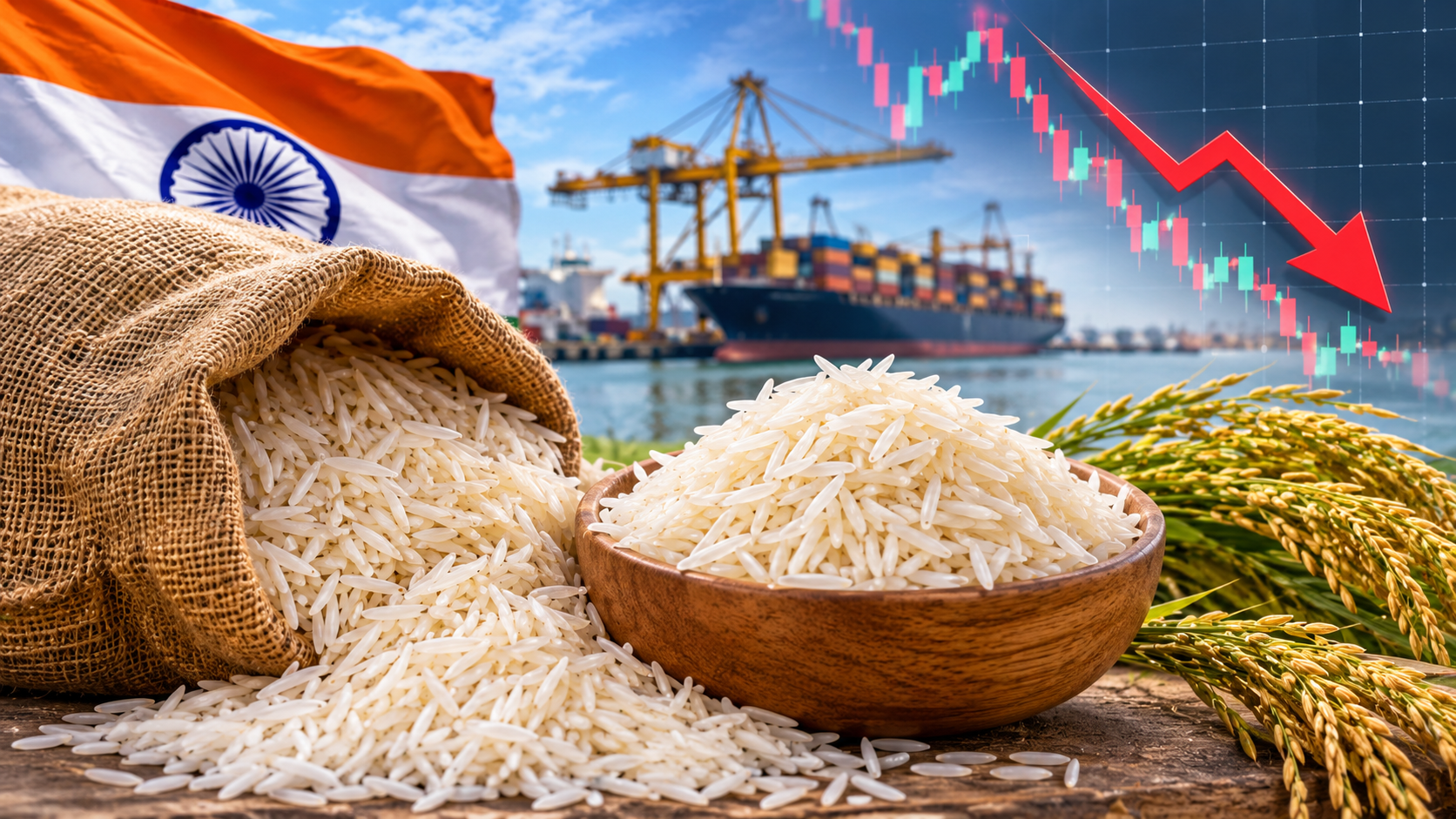
Indian basmati rice prices have eased in the selected wholesale markets as buyers decrease purchases following a strong rally in recent months. Particularly, this reduction is particularly evident in lower and mid-quality grades, whereas premium export-quality basmati rice continues to command higher prices. Moreover, rising arrivals of new-crop basmati in North Indian mandis, coupled with cautious purchasing by overseas importers, are contributing to the market correction. In addition, Middle East and West Asian buyers are working through stocks accumulated during earlier stocking.
Additionally, export quotations for premium varieties remain largely stable, despite weaker domestic market sentiment. New Delhi FOB prices for 1121 creamy sella and 1121 steam basmati stand at €0.675/kg and €0.77/kg, respectively. Not only that, government measures to enhance domestic rice availability and contain food inflation are limiting price increases. According to market participants, lower grades are likely to face continued pressure, whereas premium export-quality basmati is likely to remain firm in the near term.
Bangladesh Offers Subsidised Rice to Garment Workers at Tk 30 per Kg. Here’s Why?
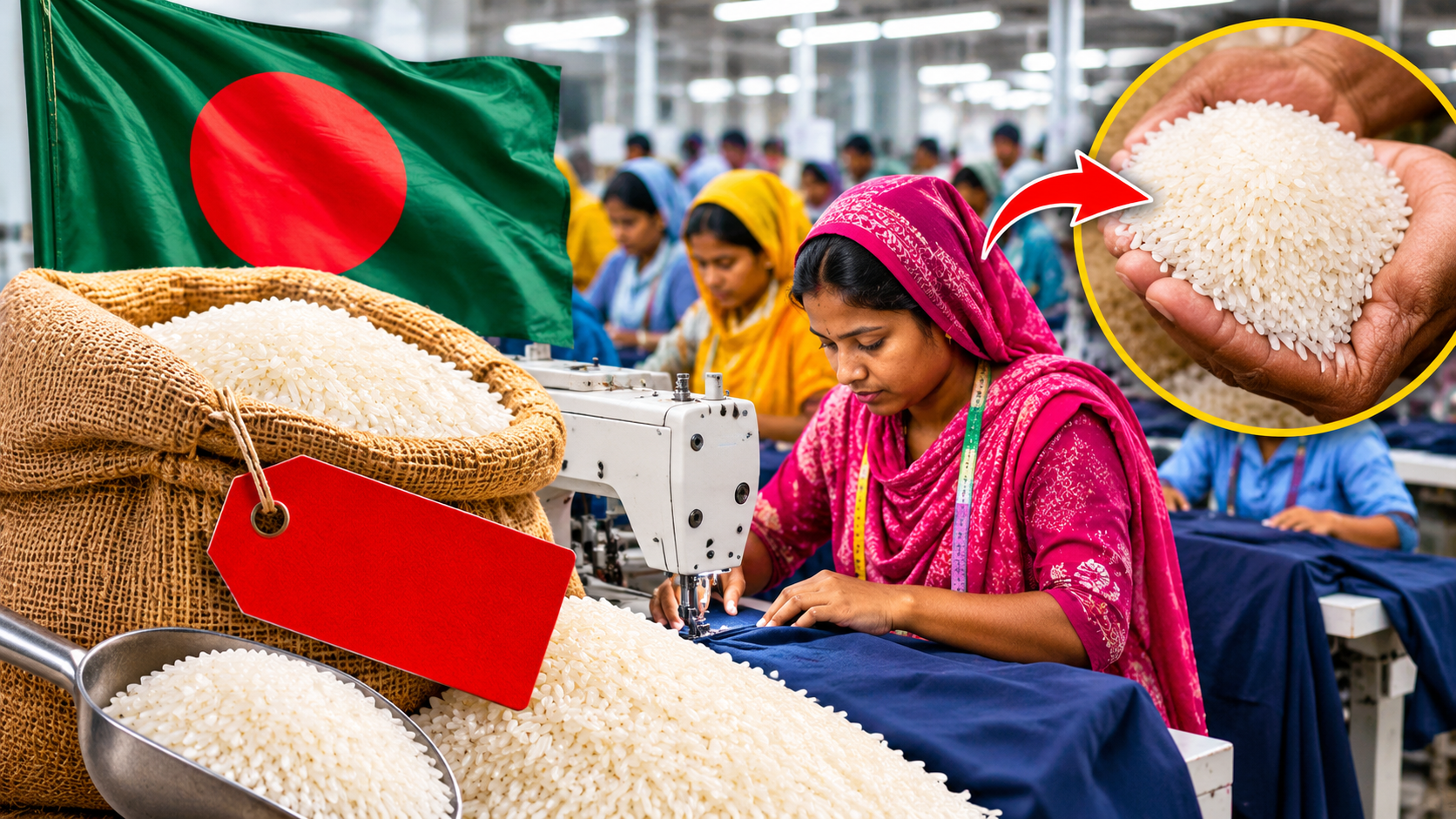
The Bangladesh government has rolled out a special Open Market Sale (OMS) programme to provide subsidised rice to ready-made garment (RMG) workers at Tk 30 per kilogram. It aims to ease the burden of rising living costs. Each eligible worker can purchase up to 10 kg of rice per month by presenting a factory-issued identity card.
Moreover, the programme covers Dhaka, Gazipur, Narayanganj and Chattogram, with rice distributed through 75 open-market trucks every Friday. It coincides with the garment industry's weekly holiday. Each truck will carry five tonnes of rice. The initiative comes amid growing labour unrest and demands for higher wages in Bangladesh's garment sector. The Food Ministry will oversee implementation using existing government rice reserves, with monitoring mechanisms introduced to ensure transparency and accountability.
Share this article
Article Info
Read Time
3 min read
Published
14 Nov 2026
Author
Megha Bajaj
Category
Rice News