Rice News Today: AP’s rice bags, Iran’s Inflation with Currency Crash And Japan’s Water Saving Rice Farming
Rice News Today includes Andhra Pradesh’s QR-Coded Rice Bags to Honour Farmers and Boost Transparency, Iran’s soaring inflation with Currency Crash amid Middle East Conflict and Japan’s water‑saving rice farming with dry field direct seeding method.
Andhra Pradesh to Introduce QR-Coded Rice Bags to Honour Farmers and Boost Transparency
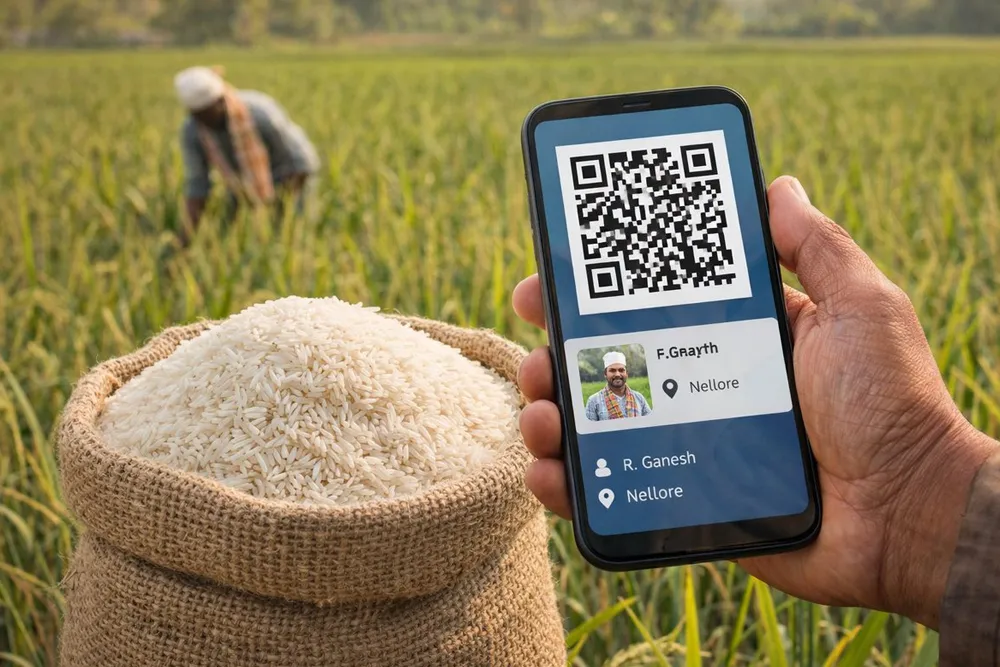
According to reports, the Andhra Pradesh government is preparing to roll out a pioneering initiative aimed at bringing greater transparency and recognition to the state’s food distribution system. Notably, rice bags distributed to beneficiaries will be embedded with QR codes that carry detailed information about the farmer who produced the grain under this program. Interestingly, this innovative approach allows recipients, especially students in government schools and welfare hostels, to trace the source of their food, thereby raising awareness of the people behind agricultural production. By scanning the QR code, users can access significant details about the procurement process, farm location, and the origin of the rice, thereby making the supply chain more transparent and accountable. Officials underscores that this initiative intends to strengthen accountability in the public distribution system (PDS) as well as in the mid-day meal program, making sure that farmers receive due recognition for their contribution to the state’s food security. Beyond transparency, the move is part of broader reforms to modernize the food distribution system, improve consumer trust, and establish a direct connection between consumers and farmers. Moreover, the program reflects the government’s commitment to farmer welfare and its efforts to leverage technology for efficient, citizen-centric governance. By combining digital tools with social welfare, the initiative not only empowers beneficiaries with information but also elevates the role of farmers in the public consciousness, creating a more inclusive and accountable food ecosystem in Andhra Pradesh.
Iran witnesses soaring inflation and Currency Crash, Rice Prices Surge Amid Ongoing Conflict

Amid the ongoing Middle East Conflict, Iran’s economy is battling with a severe crisis as the combined effects of conflict & a collapsing currency continue to take a heavy toll on ordinary citizens. According to the country’s official statistics centre, inflation has increased past 50 per cent, reflecting the dramatic rise in prices across essential goods and services. Since Food prices, particularly for staples such as rice, wheat, and cooking oil, have jumped sharply, placing enormous strain on households that already operate on tight budgets. Additionally, the Iranian rial has fallen to record lows against the US dollar, further withering purchasing power and making imports increasingly expensive, which worsens shortages of necessities. Apart from this, Economic analysts note that the financial pressures are compounded by persistent geopolitical tensions, especially involving the United States and Israel, which have led to uncertainty in markets and disrupted trade channels. In addition, ordinary Iranians face not only the challenge of affording essential goods but also limited access to foreign currency, making it difficult to carry out international transactions or purchase imported products. Rising costs of living, combined with inflation and currency instability, are straining household budgets and increasing public frustration. Moreover, the situation underscores the vulnerability of the economy to external shocks and internal policy challenges, as families struggle to fulfil their daily needs while navigating an increasingly unpredictable financial environment. The crisis highlights the urgent need for measures to stabilise the economy and protect vulnerable populations.
Japan Eyes Water‑Saving Rice Farming with Dry Field Direct Seeding Method
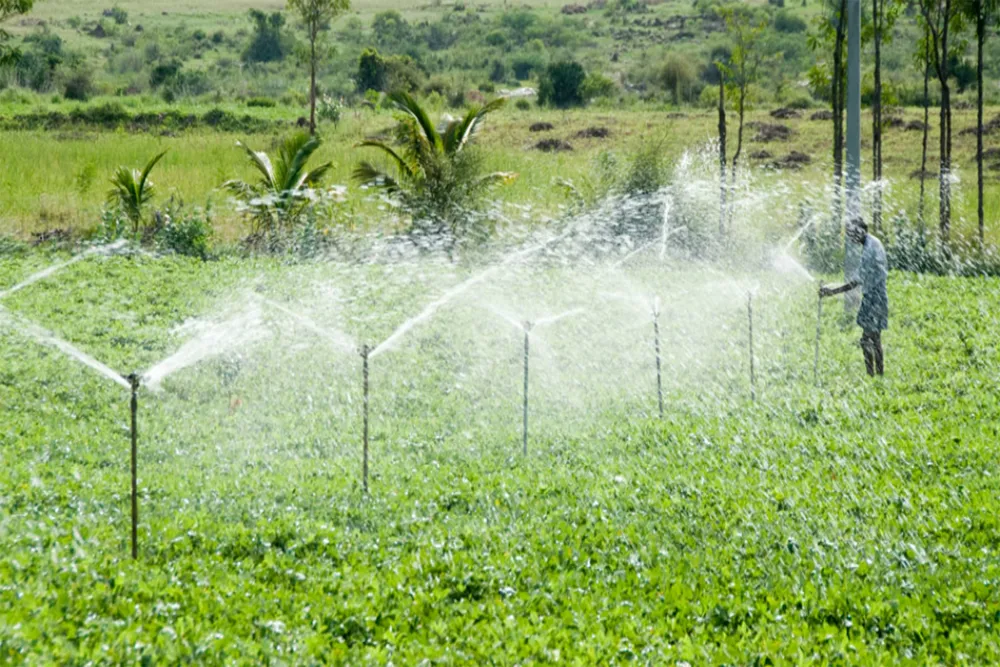
As per recent updates, Japan’s rice farming sector is increasingly diverting towards innovative cultivation methods to address persistent labour shortages and enhance efficiency in production. Notably, one such method gaining attention is the water-saving dry field direct seeding technique, which different significantly from traditional flooded paddy fields. In this method, seeds are sown directly into dry soil and allowed to grow without the need for continuous flooding instead of planting seedlings in waterlogged paddies. Moreover, this method eliminates labour-intensive practices such as transplanting seedlings and wet tilling, while also reducing the time and effort required for water management. For farmers struggling with aging workforces and fewer available labourers, this technique provides a practical solution to sustain productivity and stabilize rice output. However, the method has a disadvantage too since the dry field direct seeding method comes with challenges, particularly in ensuring consistent yields across different regions and weather conditions. To address these issues, companies such as Asahi Group Holdings, a major player in the food and beverage sector, are experimenting with innovative solutions to enhance crop growth. For instance, they are exploring the use of leftover beer yeast as a natural growth enhancer, which may improve soil fertility and support healthy rice plants. By combining traditional agricultural knowledge with modern technology and sustainable practices, Japan intends to make rice farming more resilient, efficient, and adaptable to changing labour dynamics and environmental pressures.
Share this article
Article Info
Read Time
4 min read
Published
1 Apr 2026
Author
Megha Bajaj
Category
Rice News