Top Rice News: Market Shocks, Premium Supply & El Niño
Top rice news highlights how Bangladesh seeks stronger safeguards against rice market shocks, while Indonesia is boosting premium rice supplies and monitoring quality and labeling. In the Philippines, prolonged El Niño conditions have disrupted rice planting and water availability in Agusan del Sur, affecting thousands of farmers.
Farmers Need Protection Against Rice Market Shocks
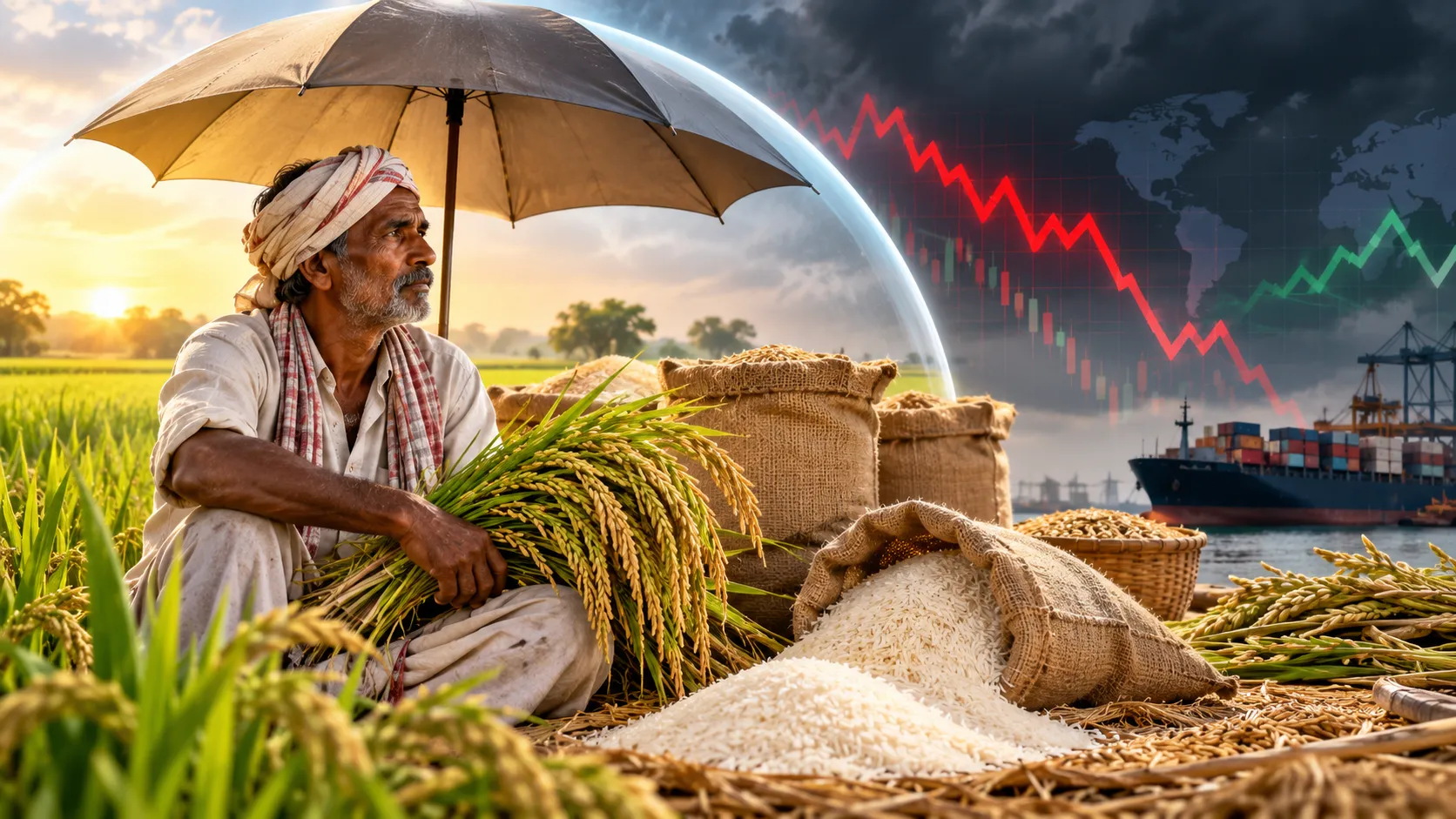
Bangladesh’s rice farmers need stronger protection from market shocks as changing prices, rising production costs and weak market mechanisms continue to threaten their incomes. Farmers struggle to secure remunerative prices despite bearing increasing costs for seeds, fertilisers, labour and other inputs. At the same time, sudden changes in rice prices can create uncertainty for both producers and consumers.
There is a need for stronger government intervention and more effective market management to protect farmers from sales and excessive price volatility. Improved procurement systems, adequate storage facilities and timely government purchases could help farmers receive fairer returns during periods of oversupply. Better market information and stronger farmer organisations could also enhance their bargaining position.
Particularly, the issue is significant because rice remains Bangladesh’s staple food and a major agricultural commodity. Ensuring more stable and transparent rice markets would help protect farm incomes while supporting food security and reducing disruptions across the rice supply chain.
Indonesia Boosts Premium Rice Supply
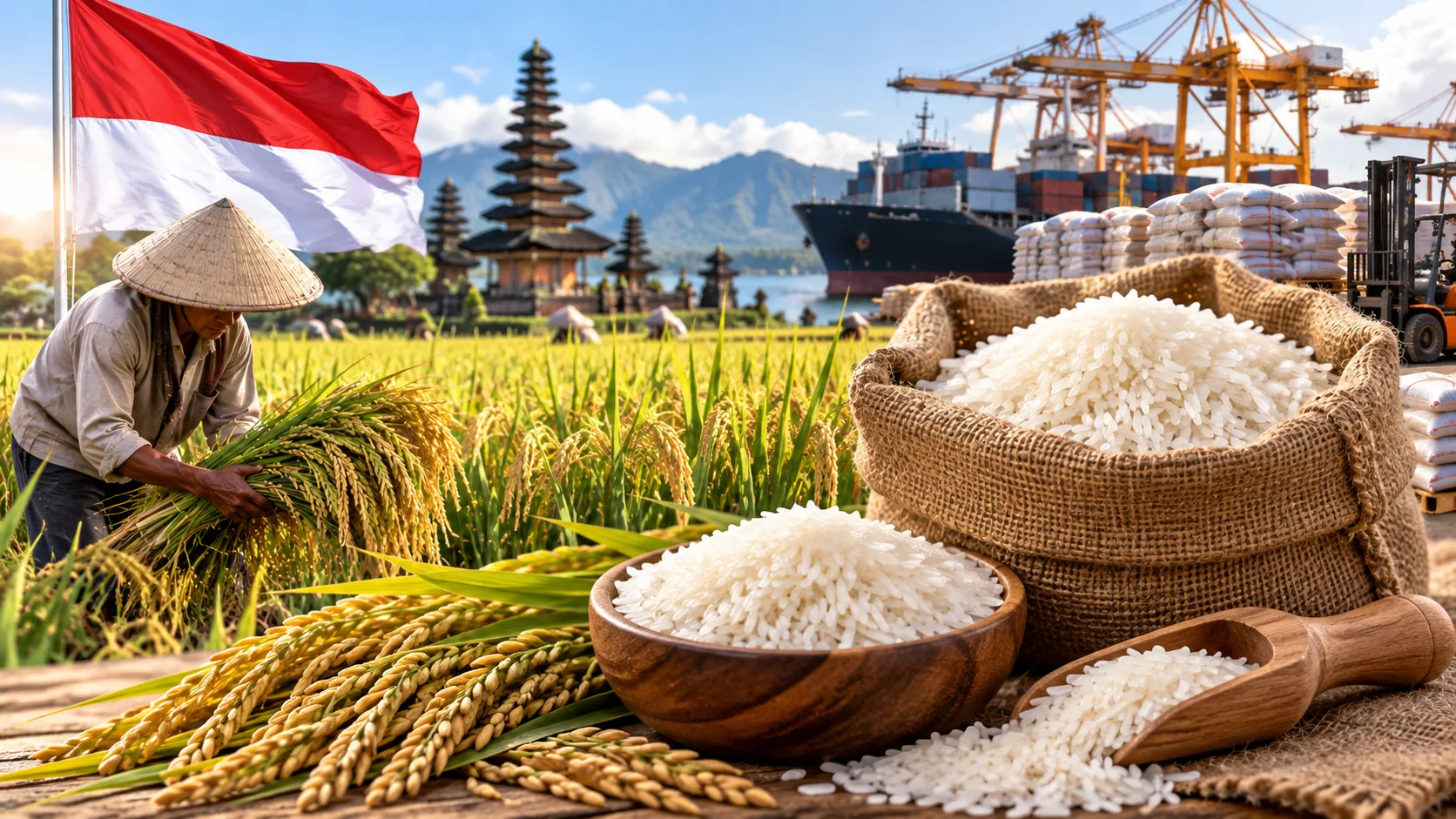
Indonesia’s National Food Agency (Bapanas) has asked state-owned Bulog to strengthen supplies of premium rice in the modern retail networks to ensure adequate availability and stable prices. The move comes as the government intensifies monitoring of rice products suspected of carrying inaccurate labels.
As of September 18, 2026, Bulog held nearly 4.6 million tonnes of government rice reserves, while approximately 2.3 million tonnes had been distributed during the year through mid-September. Also, the government is preparing to distribute an additional 1 million tonnes of SPHP rice to areas with high demand. Bulog is preparing up to 75,000 tonnes of premium rice per month for modern retailers in major cities, including Jakarta, Surabaya, Makassar, Bandung and Semarang. The agency plans to expand distribution to more locations.
Authorities are simultaneously checking rice quality and labeling. Bapanas said laboratory examinations had identified products whose actual contents allegedly did not match their labels. Moreover, the government said stronger monitoring would accompany efforts to enhance premium rice availability nationwide.
How El Niño Disrupts Rice Planting in Agusan del Sur?
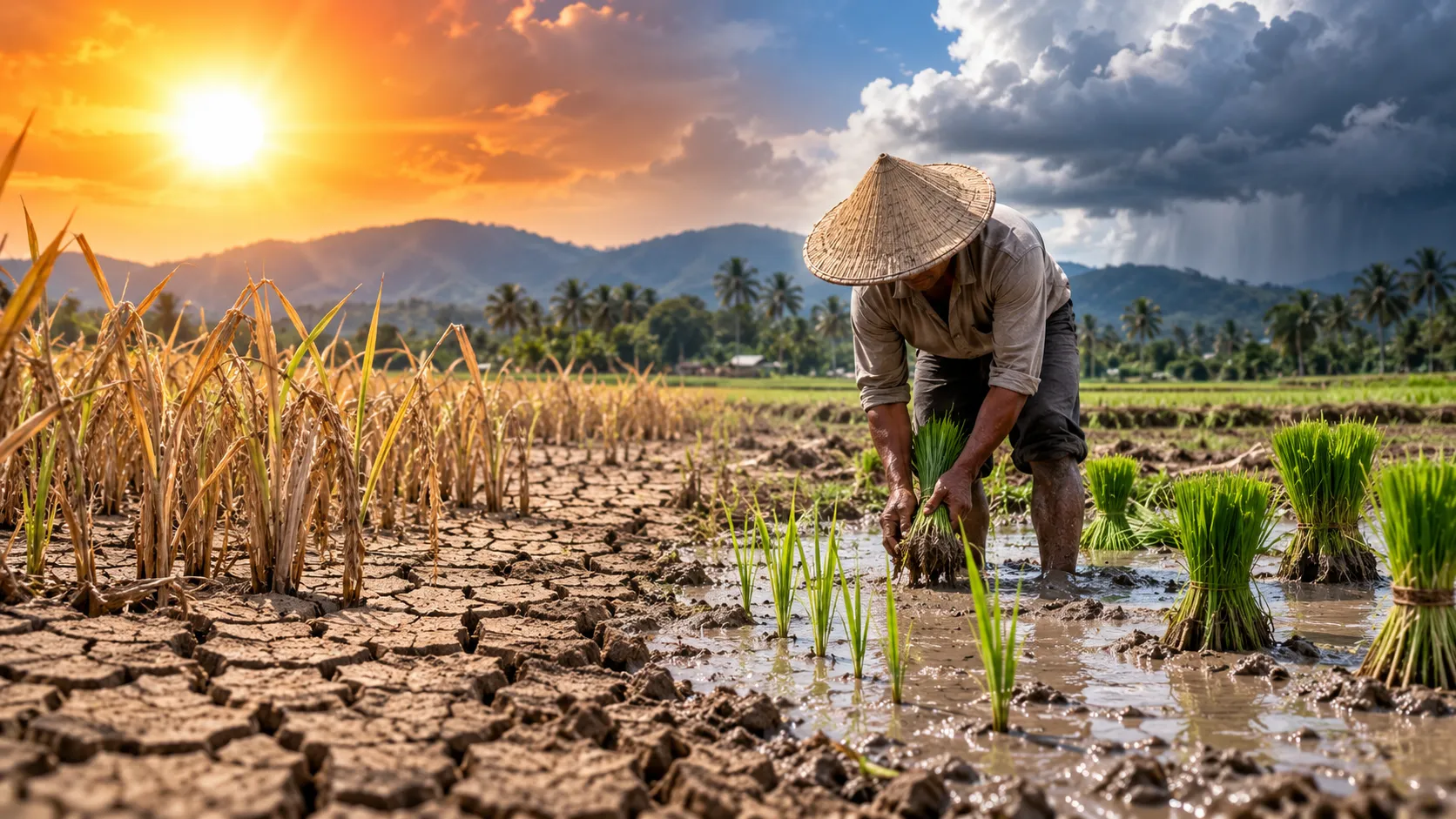
The prolonged El Niño phenomenon is disrupting rice planting and water supplies in Agusan del Sur, Philippines, impacting more than 35,000 hectares of rice land and leaving around 21,600 farmers unable to plant at the start of the July cropping season. In addition, persistent dry conditions have reduced water availability in the province, raising concerns over agricultural production and farmer livelihoods.
Provincial agriculture officials said only about 8,000 hectares had been planted by August, compared with the province’s usual planting area of nearly 45,000 hectares. Farmers dependent on rainfall are delaying planting because investments in seeds and labour could be lost without sufficient water. Those with irrigation facilities and water pumps have been able to continue farming. Not only this, but the authorities are assessing the extent of agricultural damage and considering additional interventions, such as water pumps, water-impounding facilities and support for affected farmers. The provincial government is a monitoring whether the damage could warrant a state of calamity declaration.
Share this article
Article Info
Read Time
3 min read
Published
21 Sept 2026
Author
Megha Bajaj
Category
Rice News