Top Rice News : Prices Surge, Reserves, Exports Jump
Top rice news today covers three major developments shaping the global rice trade. In India, retail rice prices have risen nearly 14% year-on-year to ₹49 per kg due to weak rainfall, higher fertiliser costs and rising ethanol and poultry-feed demand. Indonesia says government reserves have reached 4.5 million tonnes, ensuring supply security ahead of the holiday season despite El Niño concerns. Thailand’s rice exports to ASEAN surged 109% to 1.25 million tonnes, led by Malaysia and the Philippines.
1. Rice Prices in India Surge Amid Rainfall Deficit and Rising Costs
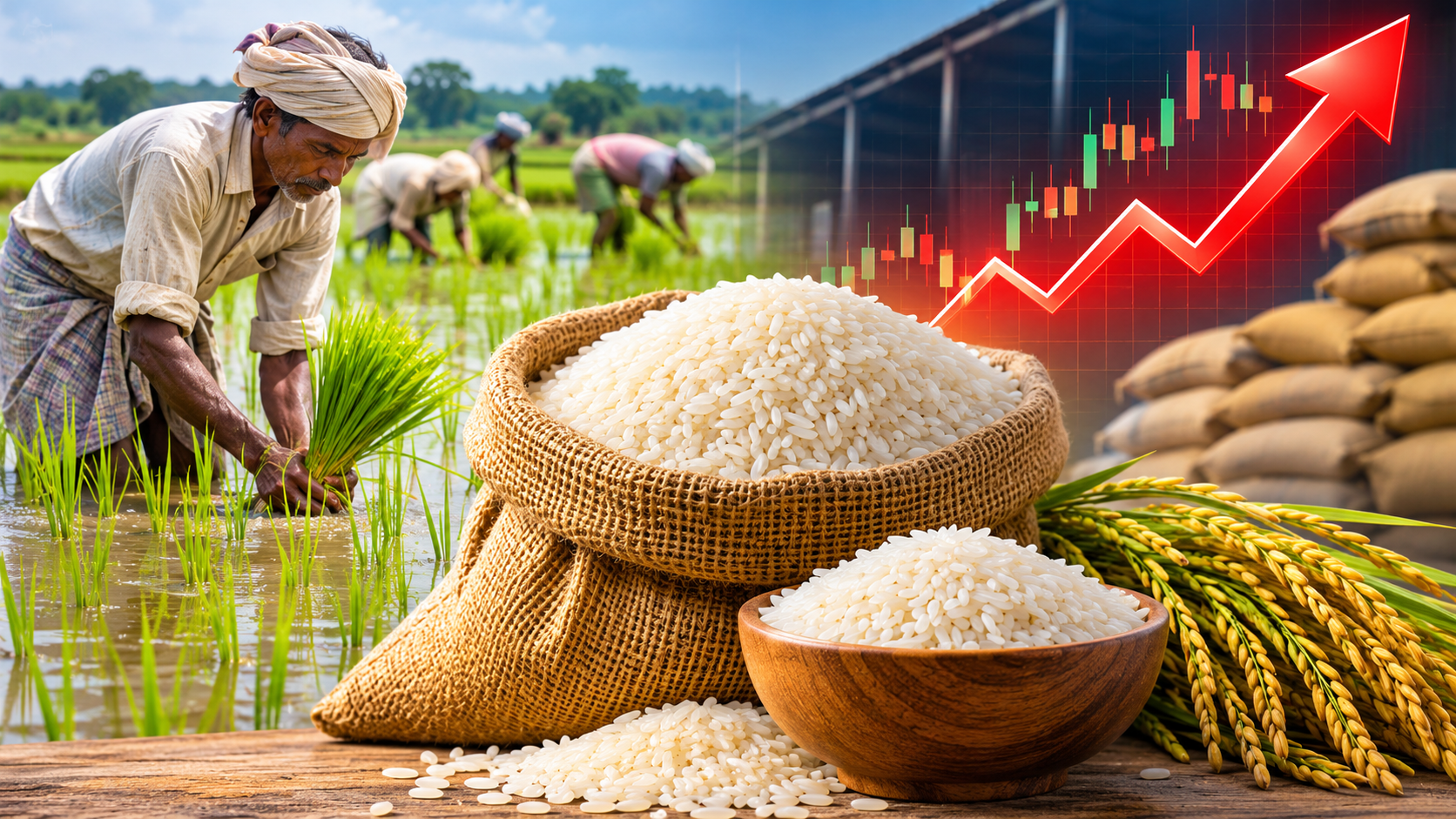
Rice prices in India are climbing as weak rainfall, higher fertiliser costs and lower expected yields tighten supply. Not only this, retail prices rose nearly 14% year-on-year to ₹49 per kg as of November 10. Moreover, demand from ethanol manufacturers and poultry-feed industries is adding further pressure on available stocks. Together, these factors are lifting what consumers pay and raising concerns about the size of the upcoming crop.
In this aftermath, the government has responded by increasing rice supplies in the market and tightening stock-monitoring measures to keep prices under control. These steps aim to ease pressure on consumers while keeping the market well supplied. For rice exporters, the situation is being watched closely. Tighter domestic supply and active government intervention can affect export availability and pricing in the upcoming weeks. If crop expectations weaken further, buyers may look to other suppliers which could shift competitiveness in the region. Exporters should keep a close eye on policy announcements.
2. Rice Reserves in Indonesia Hit 4.5 Million Tonnes

Indonesia has assured its public that its rice supply remains secure, with government reserves reaching 4.5 million tonnes ahead of the Christmas and New Year holidays, a period when demand typically rises. Significantly, agriculture Minister Andi Amran Sulaiman said strong domestic production and strategic stockpiling would help in fulfilling demand, even with El Niño concerns hanging over the region. The government expects supplies to remain sufficient while boosting measures to maintain food security and price stability.
This matters for rice exporters because Indonesia has been an important swing buyer in the Asian rice market. Healthy reserves suggest less need to do rice imports in the near term, which could soften one source of demand just as other markets tighten. In addition, the El Niño reference is also a reminder that weather risk remains a live issue across Southeast Asia. Exporters should keep monitoring Indonesia’s stock levels and any policy changes on imports.
3.Thai Rice Exports to ASEAN Jump 109%. Here’s How?
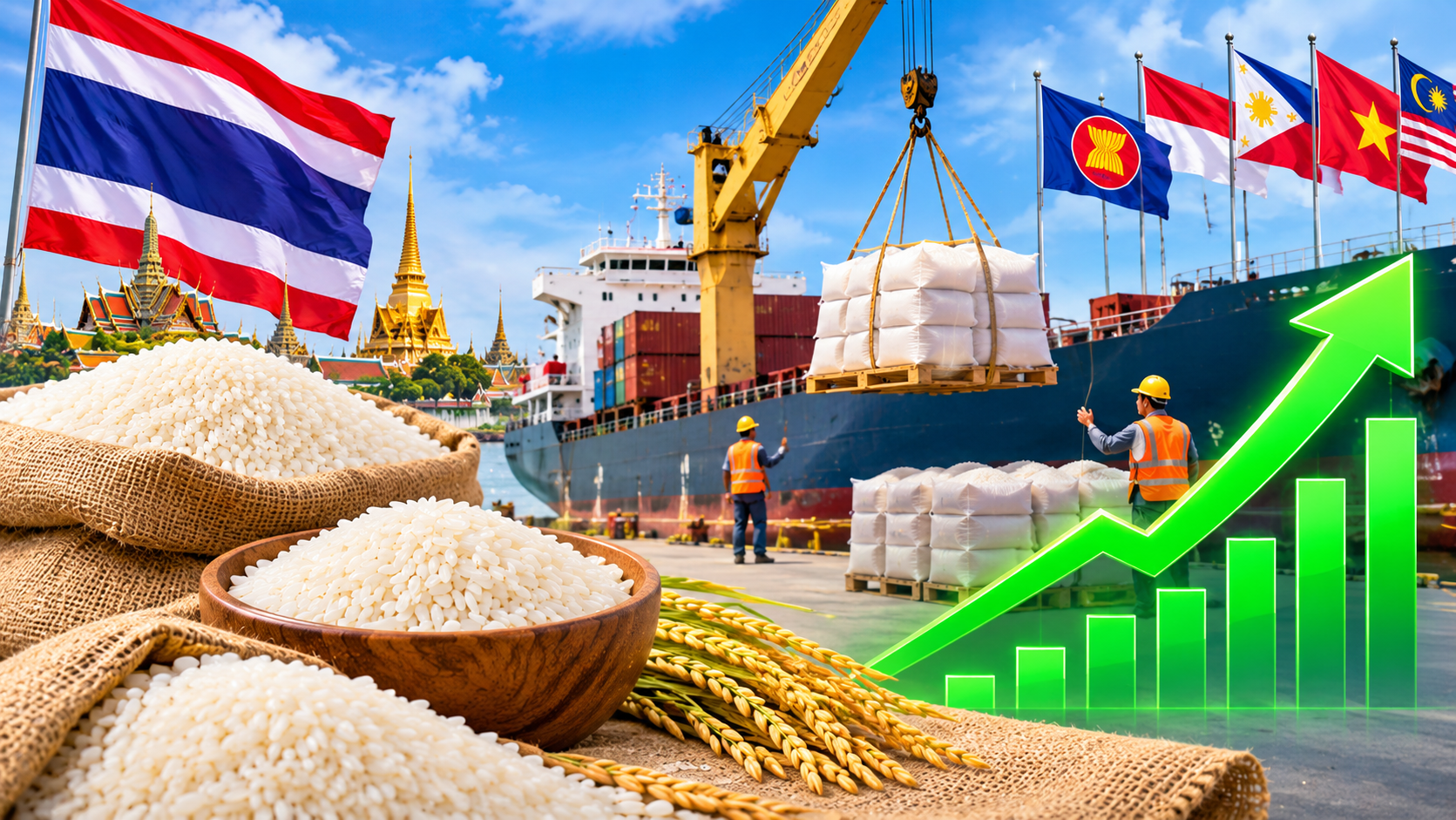
Thailand’s rice exports to ASEAN surged 109% year-on-year to 1.25 million tonnes during January-September 2026 which accounts for 25.2% of total shipments. The growth is a bright spot for Thailand’s rice sector at a time when demand from some traditional buyers is weaker.
Malaysia and the Philippines emerged as the major growth markets, importing over 750,000 tonnes combined. Rising regional demand and food security measures have supported these purchases. The strong ASEAN performance has helped in offsetting weaker shipments to other international markets, particularly the Middle East. The lesson for rice exporters is clear: regional markets are becoming more important. Proximity, shorter shipping times and government-driven food security buying can provide stable demand when traditional destinations soften. For exporters in other countries, the trend shows how neighbouring markets can offer a reliable base of demand. Exporters should track import policies in Malaysia and the Philippines, which are now key to regional trade flows.
Share this article
Article Info
Read Time
3 min read
Published
13 Nov 2026
Author
Megha Bajaj
Category
Rice News