Top Rice News: Non-Basmati Exports & Bioethanol Production
Top rice news today sheds light on India’s recent move to consider temporary restrictions on non-basmati rice exports to cool down rising domestic prices and why India is becoming more dependent on corn and rice for bioethanol production. Corn represents around 46% of total ethanol production. According to a warning, a weak monsoon could negatively influence India’s rain harvest and reduce the volumes of corn and rice available for bioethanol production.
India Weighs Curbs On Non-Basmati Rice Exports To Cool Domestic Prices
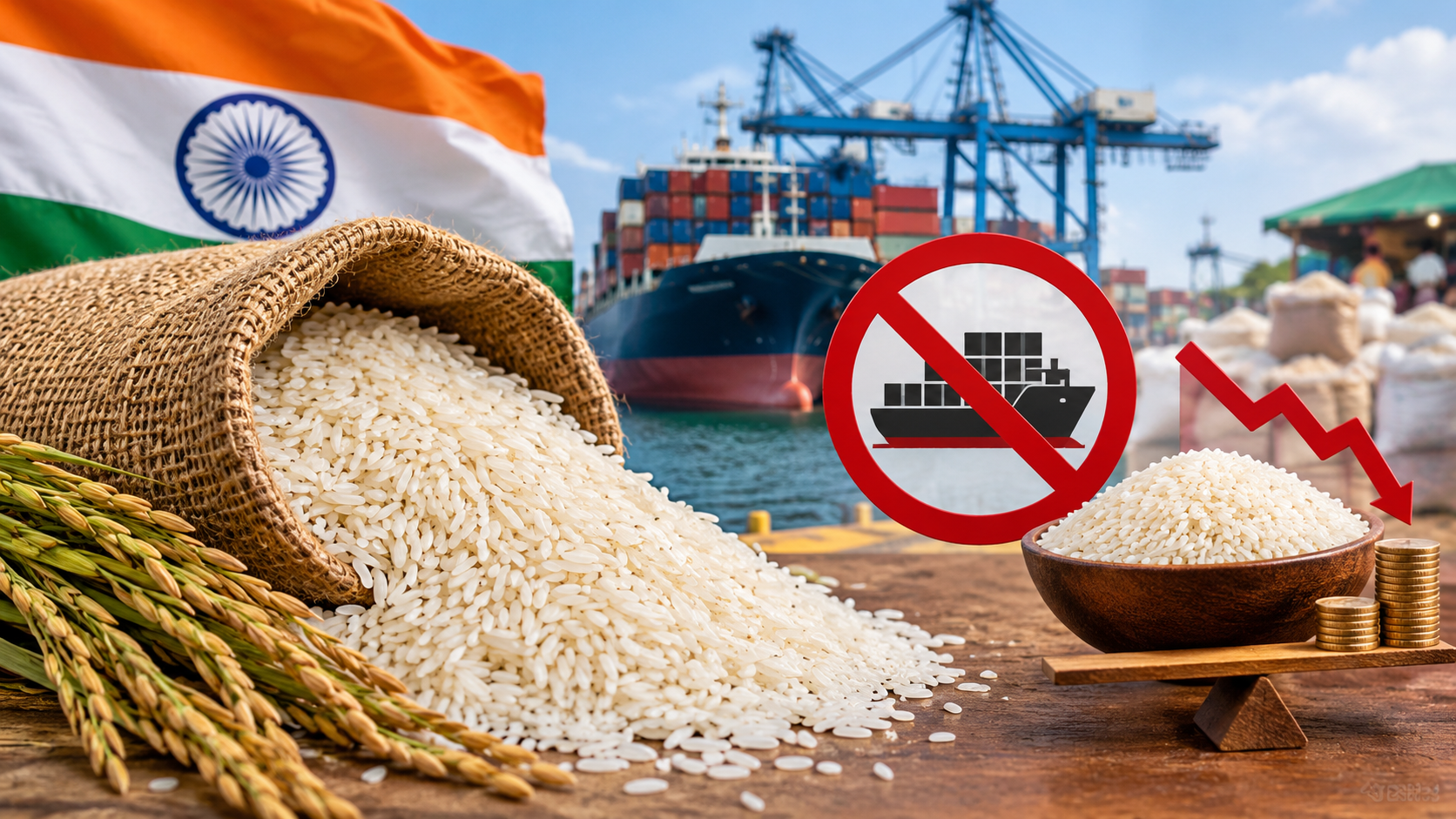
According to latest reports, India is considering temporary restrictions on non-Basmati rice exports to coolrising domestic prices. Not only this, it also enhances local availability. The measures under consideration include a 30% export duty and a minimum export price (MEP), whereas a temporary export ban remains a last-resort option. This proposal follows a sharp increase in domestic rice prices in southern states, amid concerns over lower paddy production and rising food inflation. Moreover, India's average retail rice price has risen by more than 11% year-on-year, whereas rice inflation reached 12.51% in October 2026. Despite potential restrictions, non-Basmati rice exports have remained strong, supported by international demand. Additionally, the government is exploring domestic supply measures, including increased rice sales through the Open Market Sale Scheme and subsidised Bharat rice distribution. Notably, any export curbs could affect India's competitiveness in global rice markets and benefit other countries such as Thailand and Vietnam.
Why Is India Becoming Dependent On Corn And Rice For Bioethanol Production?
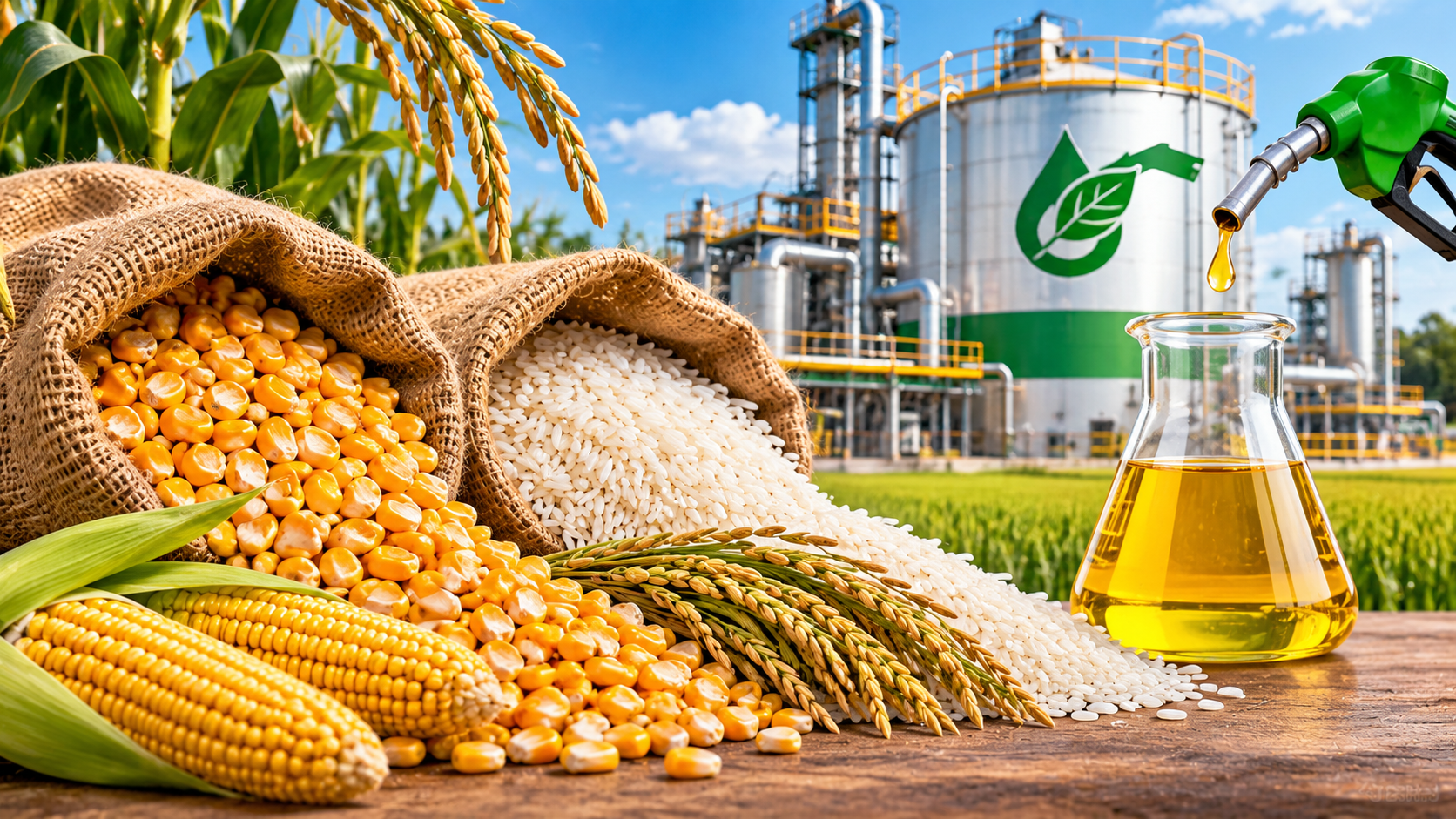
India's bioethanol industry is increasing its dependence on corn and rice as feed stocks. It is followed by the country's achievement of its 20% ethanol blending target in the 2025-26 supply year. According to the All India Distillers' Association (AIDA), grain-based feedstocks accounted for 74% of total ethanol supplied to the fuel market. However, sugar-based sources contributed 26%. It is noteworthy Corn emerged as the leading feedstock, representing nearly 46% of total ethanol production, with rice also playing an important role. Around 11.34 billion litres of ethanol were blended with petrol during the year. It exceeds the estimated requirement of 10.5 billion litres. Moreover, the expansion of grain-based ethanol production is creating extra demand for agricultural commodities and supporting farmers. It is also contributing to India's energy security and reducing dependence on imported fuels. However, AIDA has warned that a weak monsoon in 2026-27 could constrain corn and rice supplies and intensify competition between food, feed and industrial uses.
Share this article
Article Info
Read Time
2 min read
Published
25 Nov 2026
Author
Megha Bajaj
Category
Rice News