Top Rice News: Nigeria’s Paddy Production, Philippines Imports & Basmati Recognition
Top rice news highlights three major global developments shaping the rice trade. Nigeria's declining paddy production could increase import demand and create opportunities for Indian parboiled rice exporters. Meanwhile, the Philippines resumes rice purchases from Vietnam, Thailand, and Myanmar, influencing the Asian rice market. Türkiye's GI recognition for Pakistani basmati adds competitive pressure on India, highlighting the importance of branding, geographical identity, and export competitiveness in international basmati markets.
Nigeria's Declining Paddy Production Raises Prospects for Higher Rice Imports
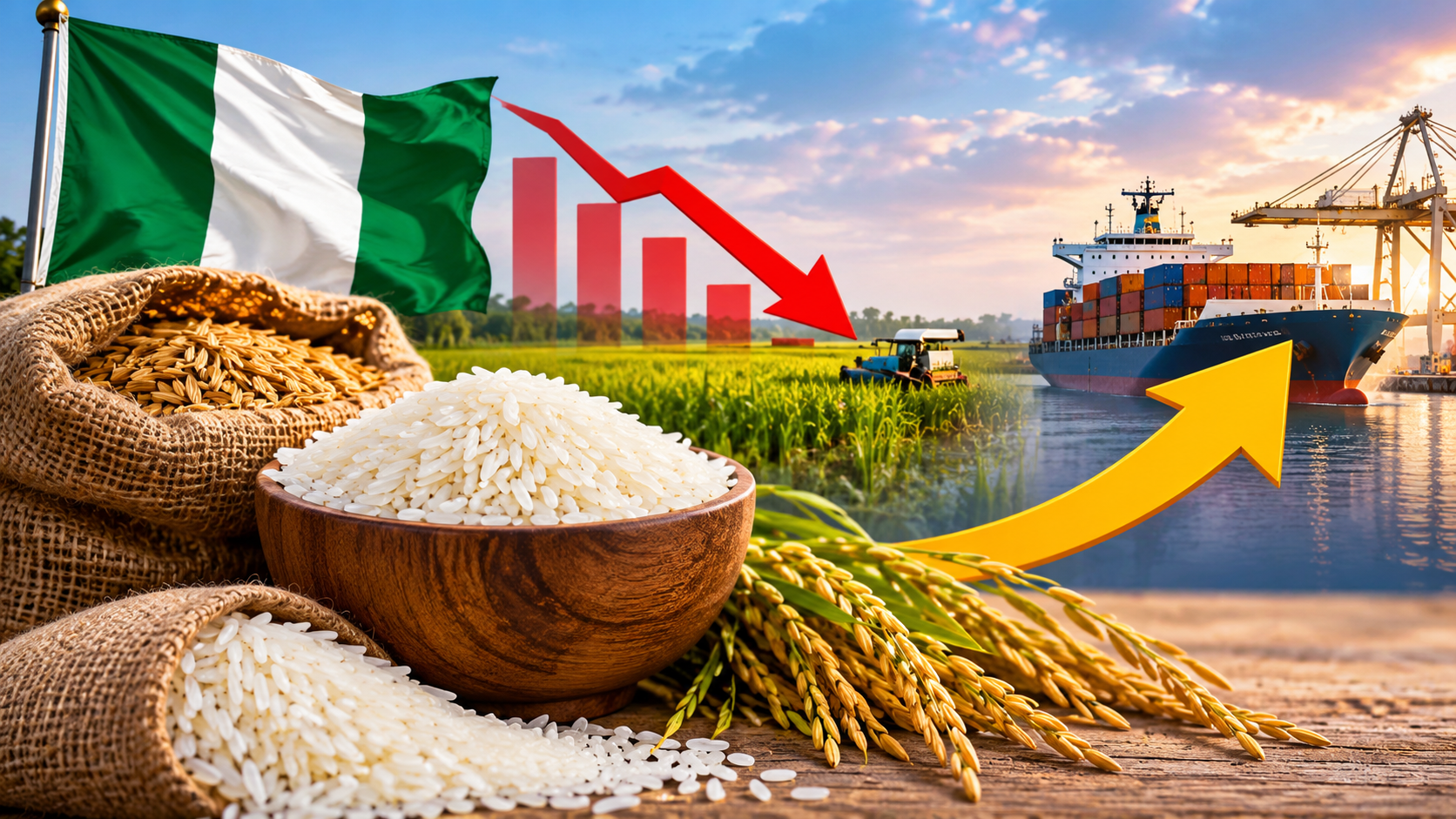
Nigeria's declining domestic paddy production could rise its dependence on imported rice. It has created potential opportunities for international suppliers, including India. According to a media report, rising input costs, low yields, and weak farmer returns have reduced Nigerian paddy acreage by an estimated 10%-15%. Moreover, USDA forecasts indicate that Nigeria's milled rice production could decline by 4%, whereas consumption is projected to reach 8.8 million metric tonnes during the 2026-27 financial year. The widening gap between domestic production and consumption could boost import requirements. For Indian rice exporters, suppliers of parboiled rice, the development presents a strong opportunity to expand shipments to the West African market. However, actual import demand will depend on government trade policies, international price competitiveness, and the availability of supplies from competing origins.
Why Does the Philippines Resume Rice Imports from Vietnam, Thailand, and Myanmar?

The Philippines has resumed rice purchases from Vietnam, Thailand and Myanmar. It is following the easing of import restrictions, bringing renewed activity to the Asian rice market. The reports stated that increased buying interest is supporting regional demand, whereas limited Vietnamese availability and rising prices are encouraging importers to diversify their sourcing destinations. In addition, Vietnamese fragrant 5% broken rice was quoted at $559 per metric tonne FOB on November 17, registering an increase of $3 per tonne. The renewed Philippine buying activity could boost competition among Asian rice-exporting countries as suppliers respond to changing demand patterns. When it comes to India, developments in Philippine procurement are important since they could affect regional price movements, exporter competitiveness, and international sourcing decisions. Indian rice exporters will need to monitor Vietnamese price trends and the sustainability of Philippine demand to assess opportunities in the Asian rice trade.
Will Türkiye's GI Recognition for Pakistani Basmati Intensify Competition with India?
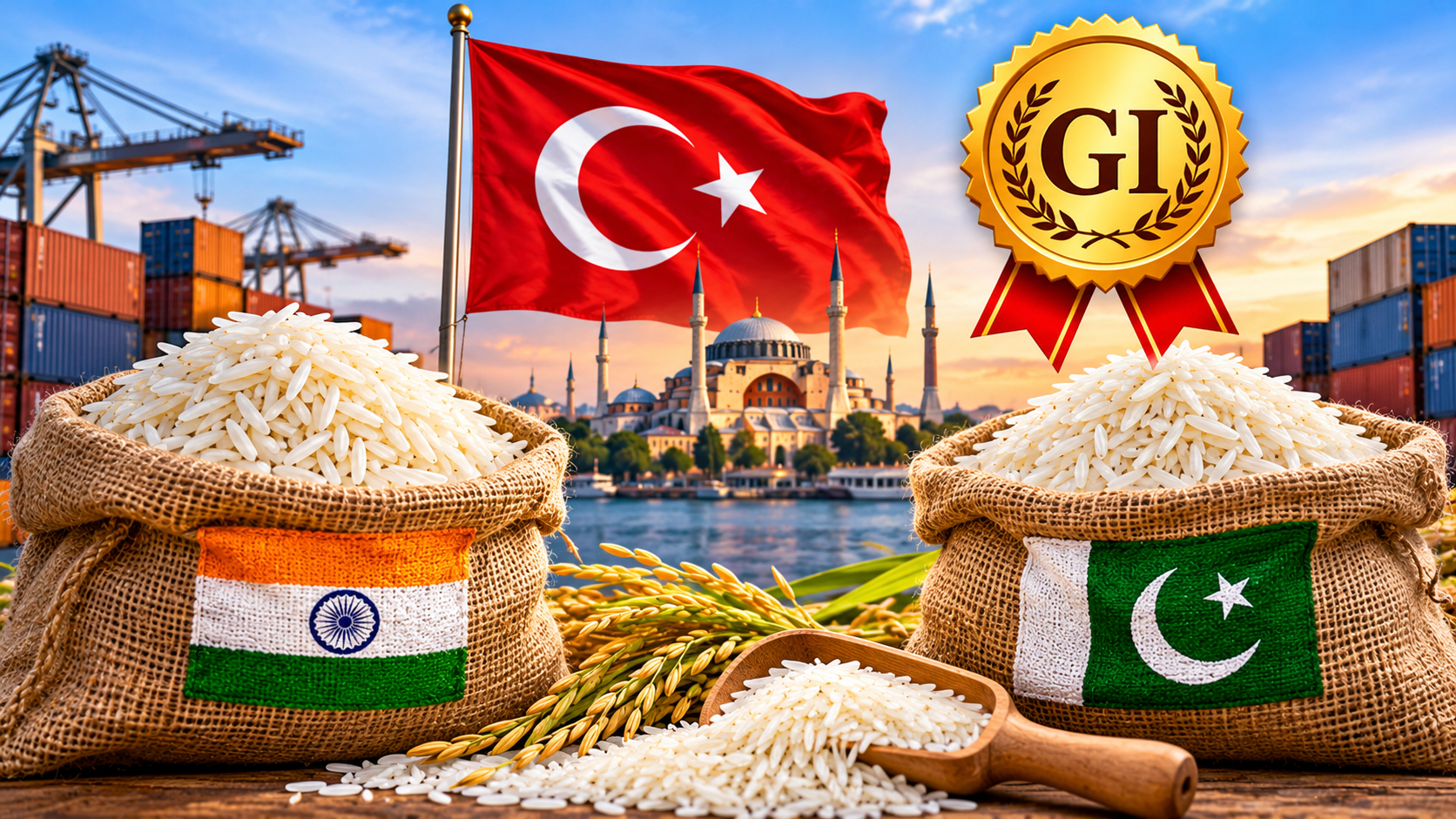
Türkiye's geographical indication (GI) recognition of Pakistani basmati rice has boosted Pakistan's branding position in an important international market. It adds another dimension to competition with India. The recognition provides greater protection for the product's geographical identity and could affect future labelling, origin claims, and marketing strategies. Although the development does not change import tariffs, it offers Pakistan an additional branding advantage in the premium basmati segment. Now for India, the development highlights the importance of protecting and promoting the geographical identity of its own basmati rice varieties in international markets. India continues to benefit from larger production capacity, varietal diversity, established export networks and competitive pricing. The move could intensify competition between the two countries in Türkiye, as buyers increasingly consider product authenticity, geographical origin and brand positioning when purchasing premium rice.
Share this article
Article Info
Read Time
3 min read
Published
19 Nov 2026
Author
Megha Bajaj
Category
Rice News