Top Rice News: Kerala Shortage, Japan Fields And India Exports
Top rice news today highlights Kerala's growing concerns about rice shortages as paddy supplies from Tamil Nadu and Karnataka decline. Meanwhile, Japan is transforming traditional rice fields into natural flood barriers using small earthen dams to manage excess rainfall. Adding to the global rice developments, India's rice exports have increased 4.6% to $6.81 billion during April–October 2026-27, despite West Asia shipping disruptions and rising freight costs, highlighting the changing dynamics of food security and agricultural trade.
Why is Kerala Witnessing A Rice Shortage?
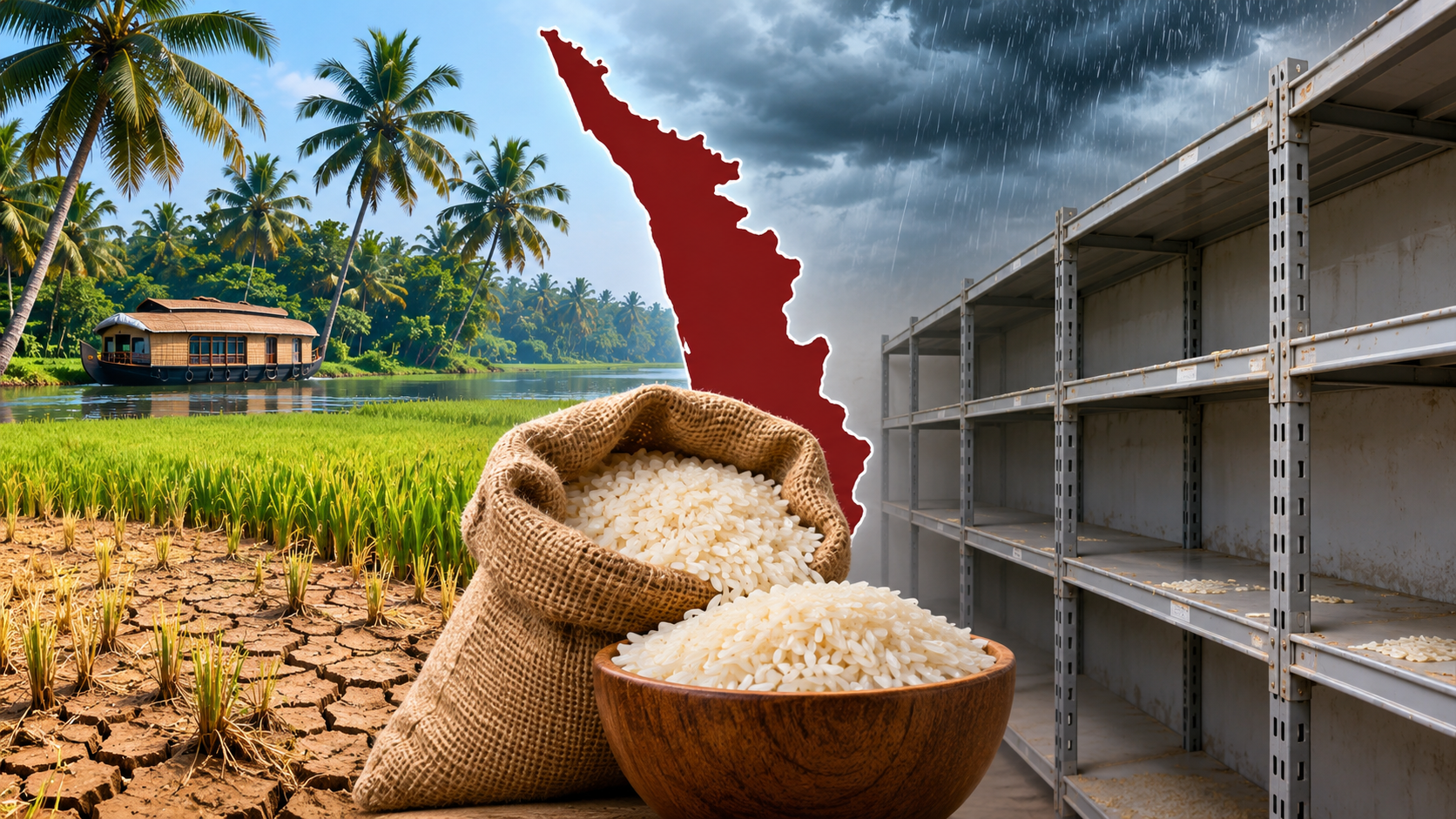
Kerala is witnessing a rice shortage as paddy supplies from neighbouring states Tamil Nadu and Karnataka decreasing amid drought-related production challenges. According to a report published on November 17, paddy arrivals into the state have already dropped by nearly 25%. Notably, the state produces only around five lakh metric tonnes of rice annually. This is against an estimated consumption requirement of 40 lakh metric tonnes, making it heavily dependent on supplies from other states. Further, the situation is complicated by declining cultivation of the popular Matta rice variety and rising procurement costs. Reduced interstate supplies could put additional pressure on availability and potentially push prices higher. The developments highlight Kerala's vulnerability to agricultural disruptions in neighbouring states and underline the need to boost domestic paddy cultivation, procurement systems and supply-chain management to ensure long-term food security.
Will Japan’s Move Work For its Rice Fields ?
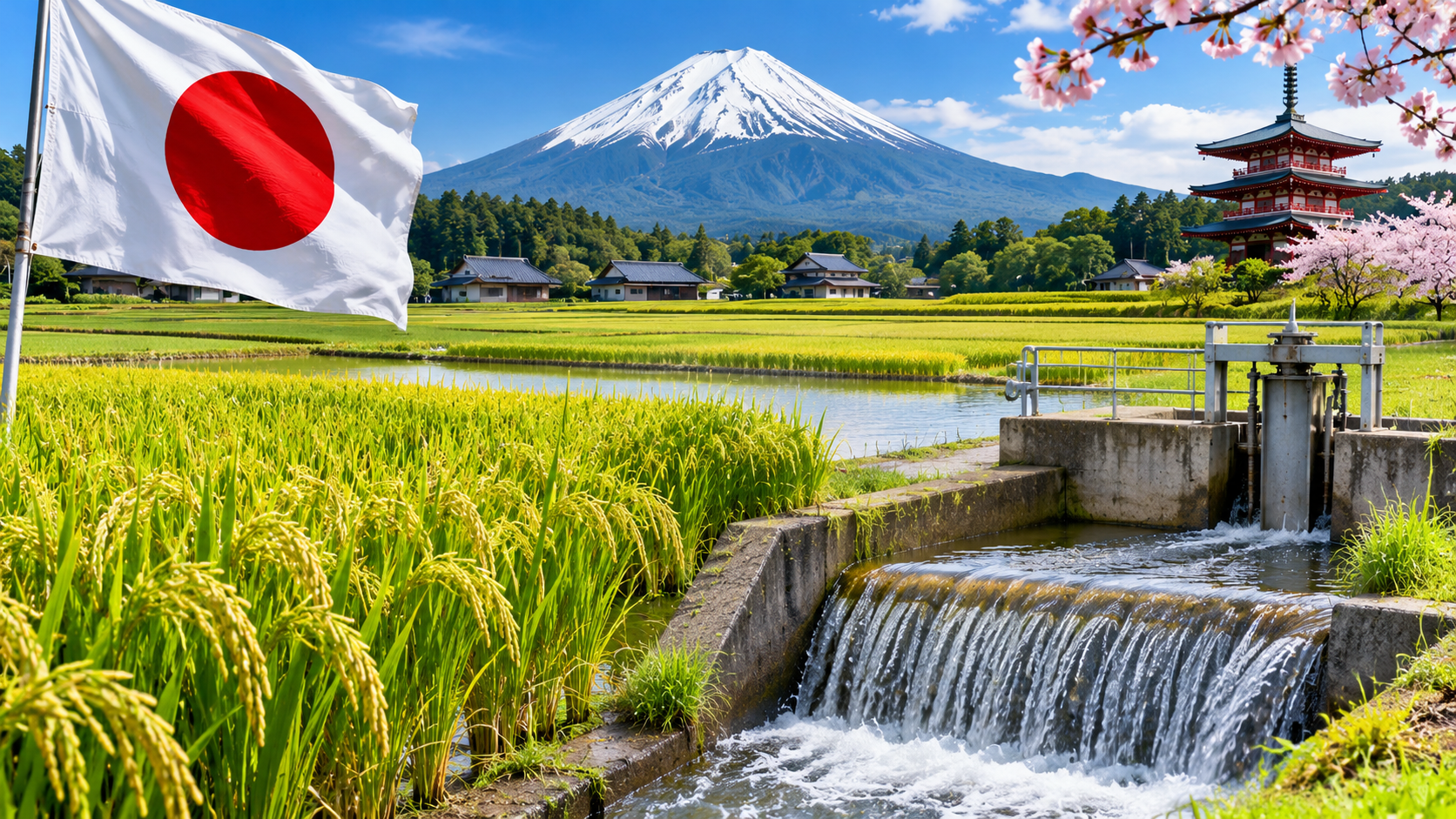
Japan is exploring an innovative way to tackle flooding by transforming traditional rice fields into natural water-storage systems. A report stated that farmers and local authorities in Osaki have installed more than 5,000 small earthen dams in paddy fields to temporarily retain excess rainwater. Moreover, the initiative aims to slow surface runoff and reduce the volume of water entering rivers and drainage channels during periods of intense rainfall. As climate change contributes to extreme weather events, such agricultural landscapes are gaining importance as nature-based flood-management solutions. Apart from helping reduce flood risks, the initiative also supports biodiversity and strengthens the environmental value of traditional rice farming systems. Japan's approach shows how agricultural infrastructure can serve purposes beyond food production. Not only that, but the model could offer useful lessons for countries such as India, where recurring floods threaten agricultural communities, rural livelihoods, and infrastructure.
India's Rice Exports Rise 4.6% to $6.81 Billion Despite Shipping Disruptions. Here’s How?
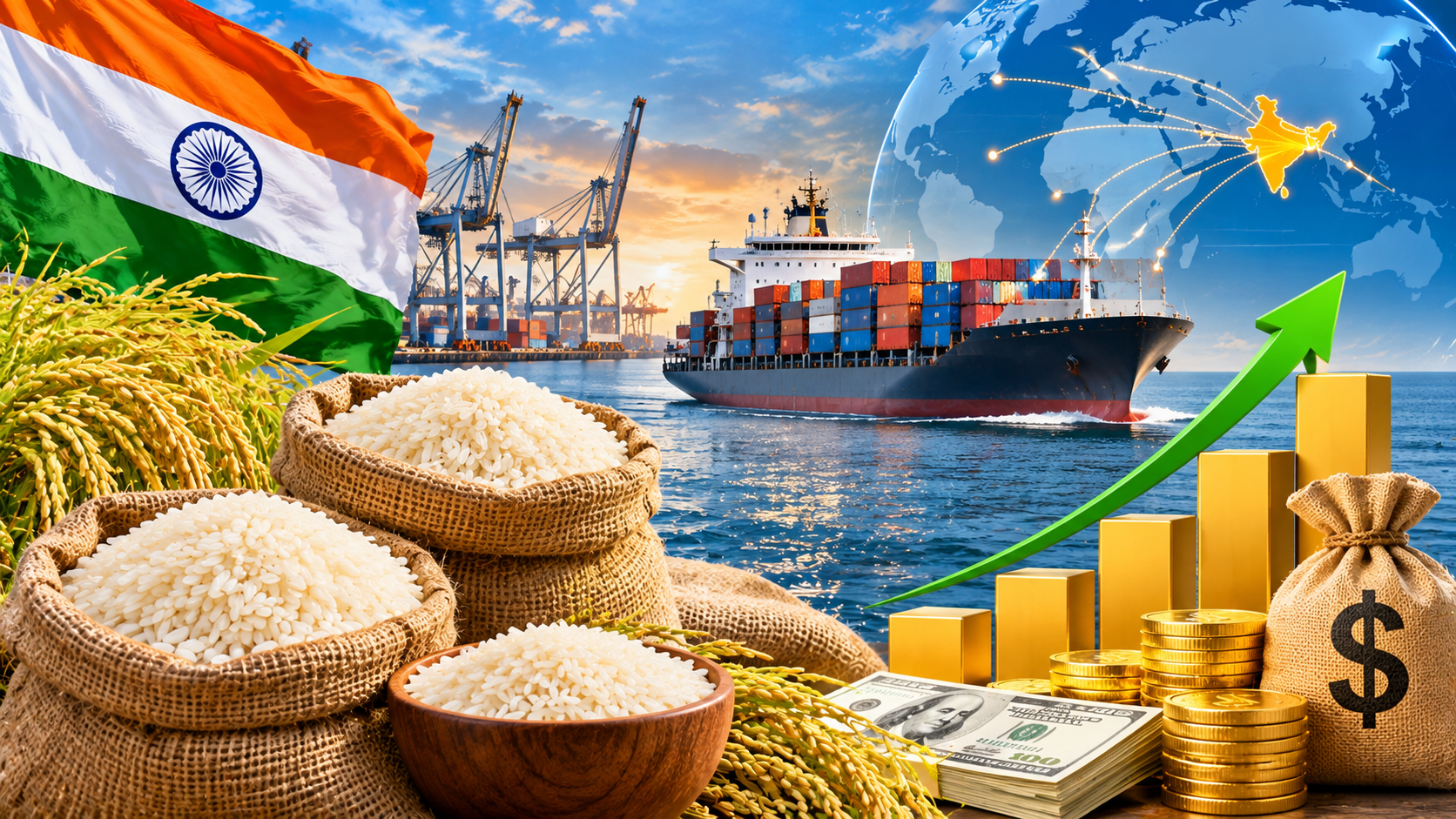
India's rice exports registered a 4.6% year-on-year increase to reach $6.81 billion during April–October 2026-27. The growth has been recorded despite international shipping disruptions and rising freight costs related to the West Asia tensions. According to the report, October witnessed strong performance, as rice exports increased by more than 18% to nearly $1.02 billion. Moreover, strong agricultural supplies, supported by bumper harvests in major rice-producing states such as Punjab and Haryana. They have helped sustain export momentum. However, geopolitical uncertainties, higher transportation costs, and logistical challenges continue to create pressure for rice exporters. The growth highlights India's existing importance in the global rice trade and the strength of its agricultural export sector. Meanwhile, maintaining export competitiveness along with ensuring adequate domestic availability and price stability remains important. Balancing international demand with domestic food security will be a major concern for India's rice sector.
Share this article
Article Info
Read Time
3 min read
Published
18 Nov 2026
Author
Megha Bajaj
Category
Rice News