Top Rice News: India’s Reserves, TN Spike and Japan Prices

Here’s About Tamil Nadu Rice Spike
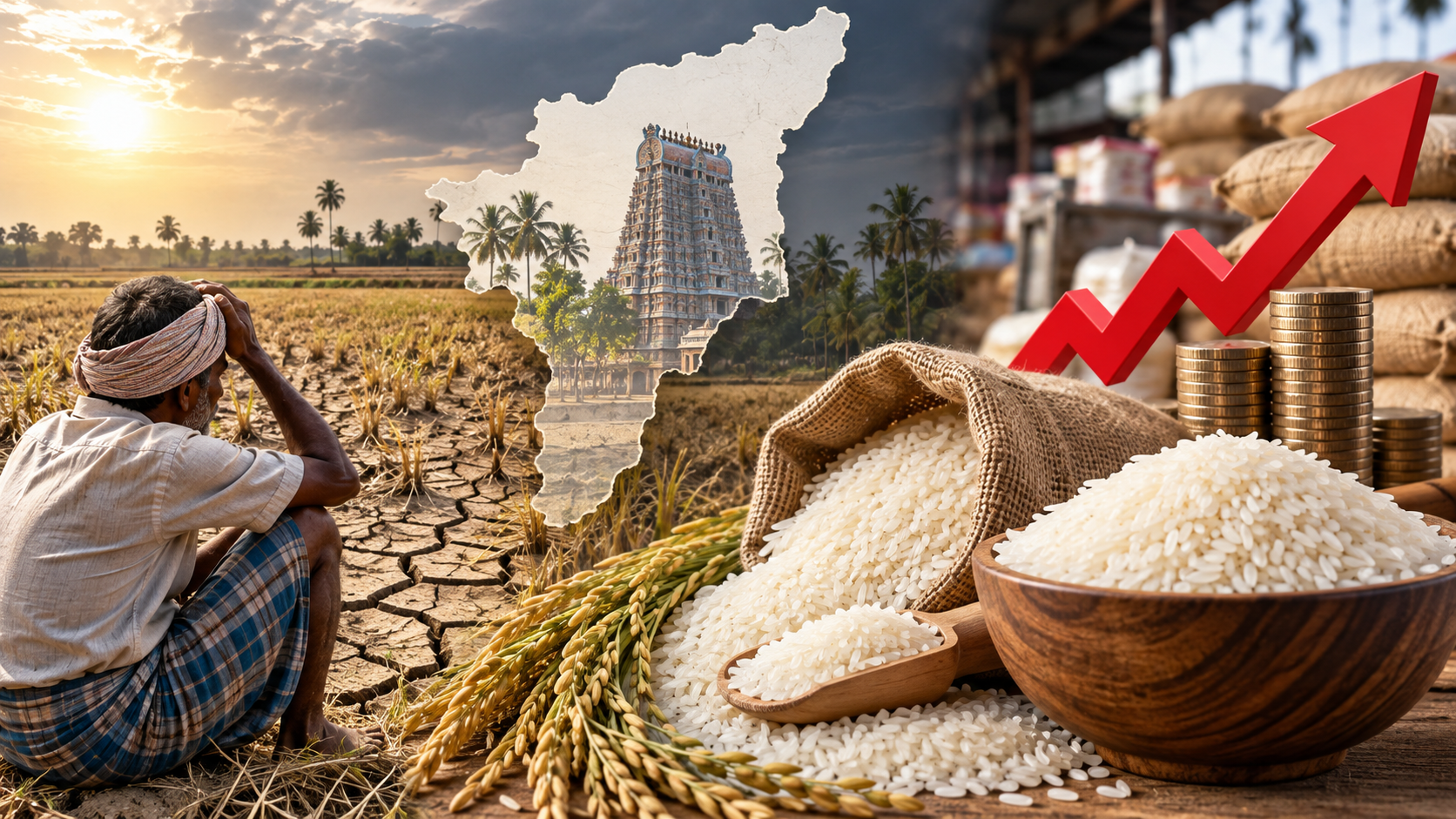
Tamil Nadu’s recent rice price rise highlights the weakness of the State’s food supply to falling paddy production, water stress and dependence on supplies from other States. Rice prices have increased sharply, with traders pointing to reduced rice cultivation, inadequate irrigation and lower market arrivals. Fine-quality varieties such as Ponni rice have been impacted because Tamil Nadu sources significant quantities from Andhra Pradesh, Karnataka and other States.
Moreover, the episode exposes a longer-term agricultural challenge. Tamil Nadu’s annual rice requirement is estimated at nearly 95 lakh tonnes, whereas state production is reportedly nearly 75–80 lakh tonnes, leaving a substantial gap to be met through outside supplies. Apart from this, the price spike shows that maintaining food affordability requires more than adequate national stocks. Boosting local cultivation, improving irrigation and ensuring stable paddy procurement could help reduce supply vulnerabilities. For consumers, however, continued production shortfalls could keep rice prices under pressure and add to household food expenses.
India’s Rice Reserves Cushion Monsoon Crisis
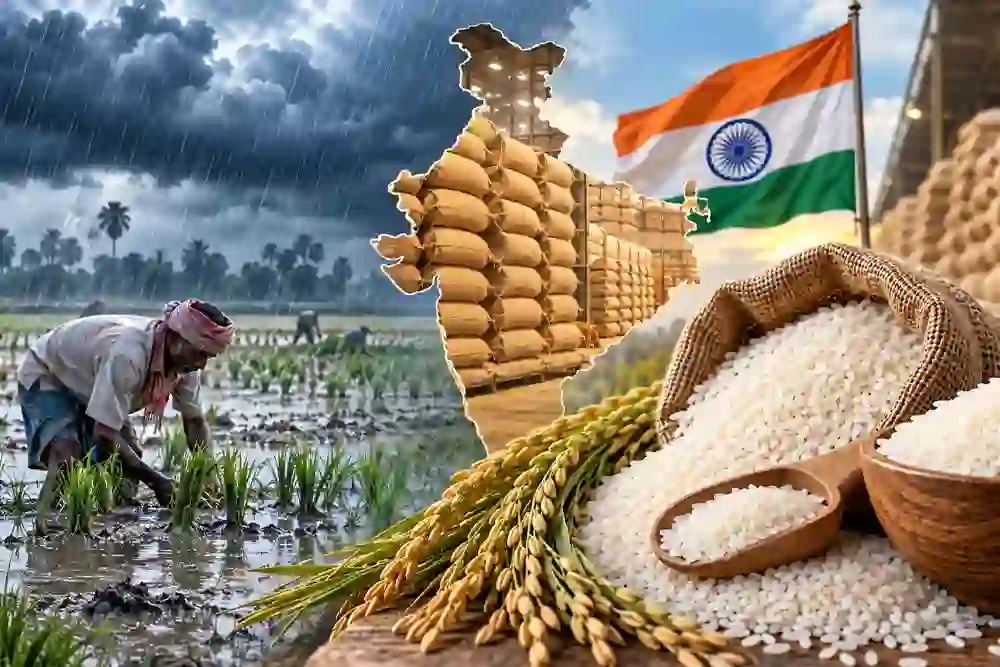
India is facing one of its weakest monsoons in nearly two decades, with rainfall nearly 15% below normal and a strengthening El Niño raising concerns over crop yields. Rice production could drop by about 10 million tonnes to 144 million tonnes, marking the sharpest decline in nearly two decades. However, record government rice stocks of 59.6 million tonnes provide a significant buffer against the supply shock. These reserves could help maintain domestic supplies, support the public distribution system and allow India to continue exports despite lower production. Still, the stockpile may not completely prevent price increases, as premium rice varieties are already becoming more expensive and farmers may prefer open-market sales. The broader concern extends beyond rice, with weak rainfall potentially impacting pulses, oilseeds and other crops.
Japan’s Rice Prices Fall Below ¥3,000 for the First Time in Two Years
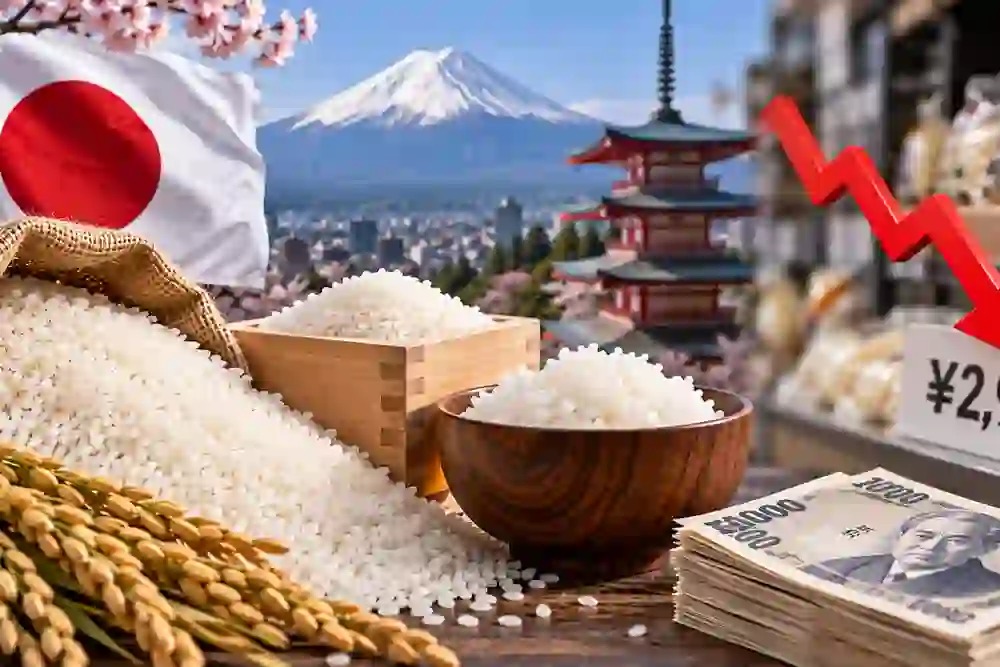
According to sources, Japan’s average retail rice prices have dropped below ¥3,000 per 5 kg for the first time in about two years. Prices averaged ¥2,971 in the week of September 7–13, marking the fifth consecutive weekly decline. The drop reflects expanded rice planting after the 2024 shortage and growing private-sector inventories. But, the decline has raised concerns among farmers as fertilizer, fuel and labour costs remain high. Japanese Agriculture Minister Hiroo Yanagi has called for measures to stabilize supply and demand, warning that continued price falls could hurt producer profitability. The situation highlights a difficult balance: lower rice prices benefit consumers but can squeeze farmers. Therefore, Japan’s government is monitoring the market closely and considering measures to align production with demand.
Share this article
Article Info
Read Time
3 min read
Published
19 Sept 2026
Author
Megha Bajaj
Category
Rice News