Top Rice News: India’s Rice Export Duty And Banning Of Toxic Pesticide
Top rice news today highlights how India’s planned rice export duty of 20% to 30% on some non-basmati rice varieties threatens global rice prices. Next, two nations have banned paraquat, a hazardous herbicide related to serious health risks, environmental contamination, and suicide. This decision marks a significant step towards safeguarding farmers, agricultural workers, and rural communities from hazardous chemical exposure.
How India’s Planned Rice Export Duty Threatens Global Rice Prices?
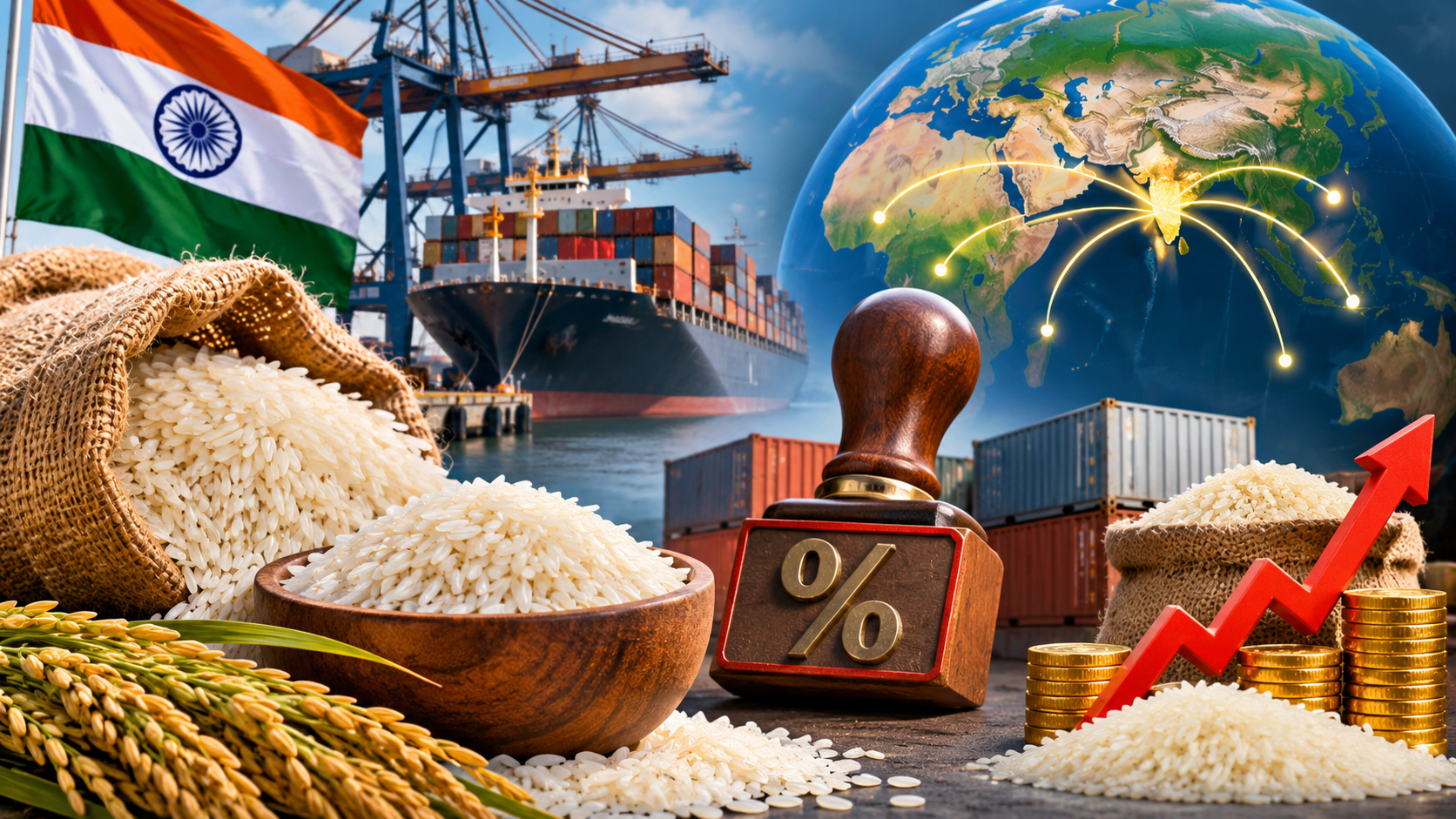
As per latest reports, India’s recent plan of imposing 20 to 30 percent rice export duty on some non-basmati rice varieties, is actually becoming as an enormous threat to global rice prices. Notably, the move aims to cool down domestic prices, which have been spiked into double digits. Significantly, India is the dominant supplier in global rice trade, and any additional export duty on non-basmati varieties would create a ripple effect through Asian and African import markets. Meanwhile, a weak monsoon in 2026 and a projected 10% drop in Kharif rice output are limiting these fundamentals despite record government stocks. Here, exporters are witnessing rising policy uncertainty or reprice contracts, whereas importers are already scouting alternative origins and considering coverage extensions into early 2027.
It is noteworthy that domestic rice inflation in India has escalated from low single digits in june month to nearly 12.5% in October, with some southern states. Until a formal notification clarifies coverage and rates, domestic and export markets are going to trade with high volatility. The rice exporters need to remain more cautious on new commitments, and rice importers look to build coverage before any decision.
India and Bangladesh Ban Toxic Pesticide, Protecting Farmers and Public Health
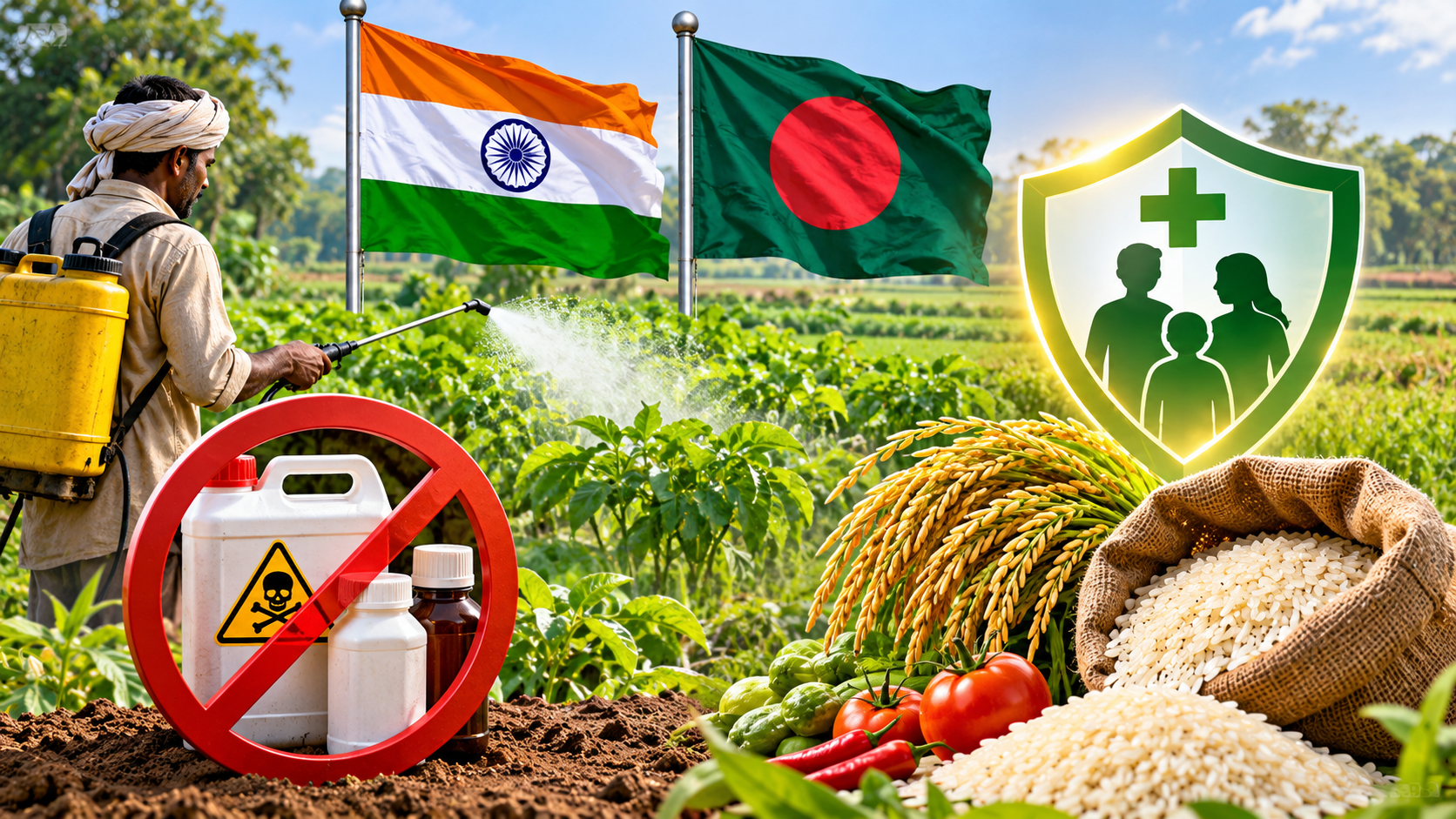
India and Bangladesh have banned paraquat, a hazardous herbicide related to serious health risks, environmental contamination, and suicide. This decision marks a significant step towards safeguarding farmers, agricultural workers, and rural communities from hazardous chemical exposure. Notably, the move has been praised by the World Health Organization (WHO), describing it as momentous. Notably, Paraquat is already banned in more than 70 countries due to its extreme toxicity.
When it comes to India, the ban is significant as millions of farmers and agricultural workers handle pesticides during rice cultivation. The major reason could be helping farmers to prevent health complications, lower healthcare costs and improve rural livelihoods.
However, implementation will be crucial. Farmers will need access to affordable and safer alternatives, along with proper guidance on their use. This decision also highlights the importance of sustainable farming practices that balance agricultural productivity with human health and environmental safety.
Share this article
Article Info
Read Time
3 min read
Published
29 Nov 2026
Author
Megha Bajaj
Category
Rice News