Top Rice News: El Niño Threatens And Japan-Backed Rice Trials
Top rice news today reveals how El Niño threatens Indonesia’s rice harvest, raising supply concerns ahead of Eid 2027. Next, Japan-backed rice trials aim to strengthen yield and cut farming costs in Uganda.
El Niño Threatens Indonesia’s Rice Harvest, Raising Supply Concerns Ahead of Eid 2027
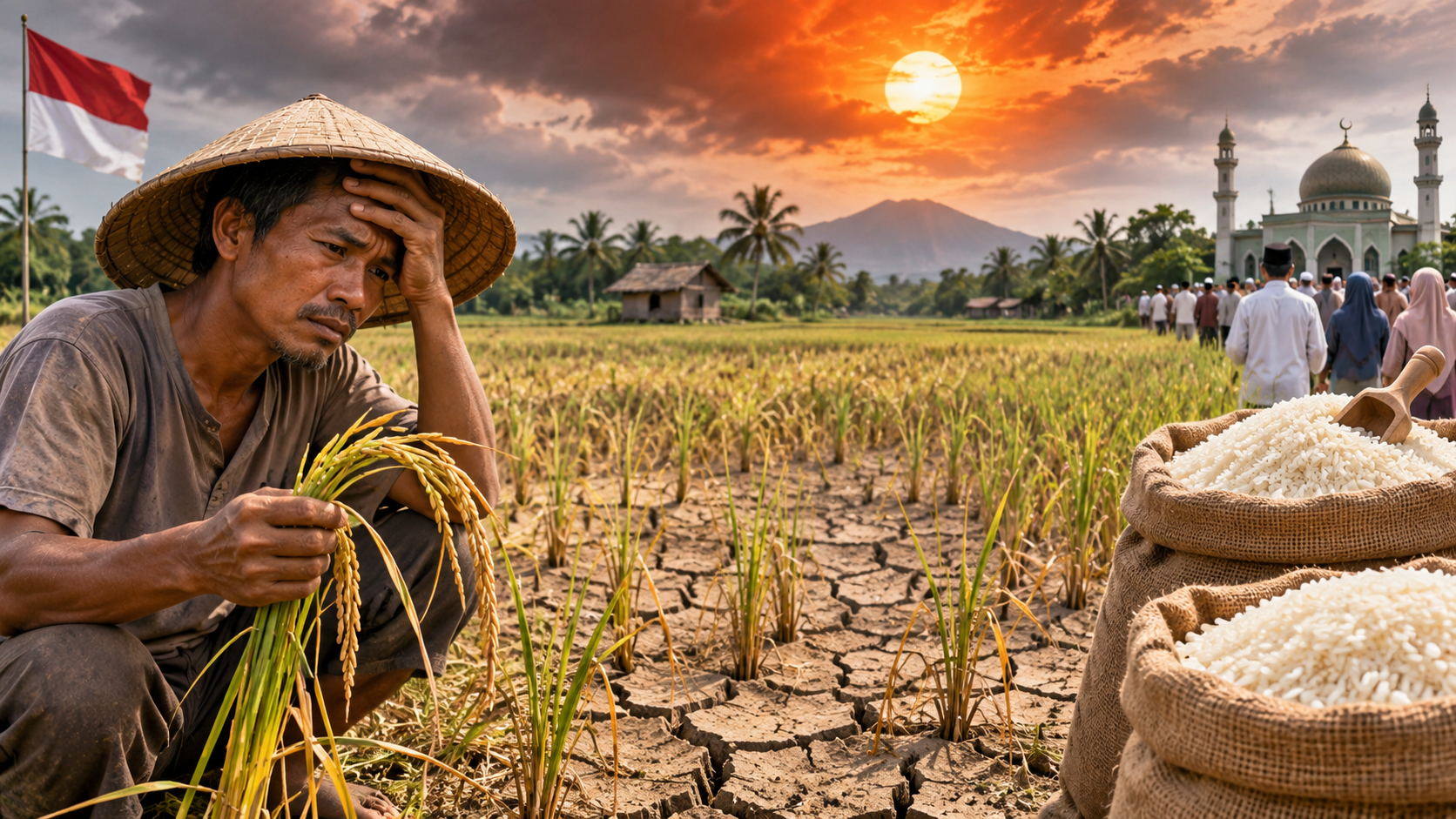
According to recent reports, Indonesia is preparing for potential rice supply disruptions ahead of Eid al-Fitr 2027 since the El Niño weather condition threatens to delay planting and harvesting schedules. The Institute for Development of Economics and Finance (Indef) has appealed to the government to boost rice reserves to ensure adequate supplies during the high-demand period.
Moreover, Indef researcher Afaqa Hudaya said Indonesia’s current government rice stocks of approximately 4.5 million tonnes should be sufficient to fulfill the demand during the Christmas and New Year holidays. However, reserves could reduce to between 3 million and 3.5 million tonnes by early 2027 following food assistance distributions and market operations. Not only this, but El Niño conditions could postpone the planting season until December 2026 or January 2027, shifting the peak harvest from March to April or May. Hudaya suggested preparing a rice supply-demand balance sheet, establishing minimum reserve levels, and expanding market operations ahead of Ramadan and Eid to maintain availability and price stability.
Japan-Backed Rice Trials Aim to Boost Yields and Cut Farming Costs in Uganda
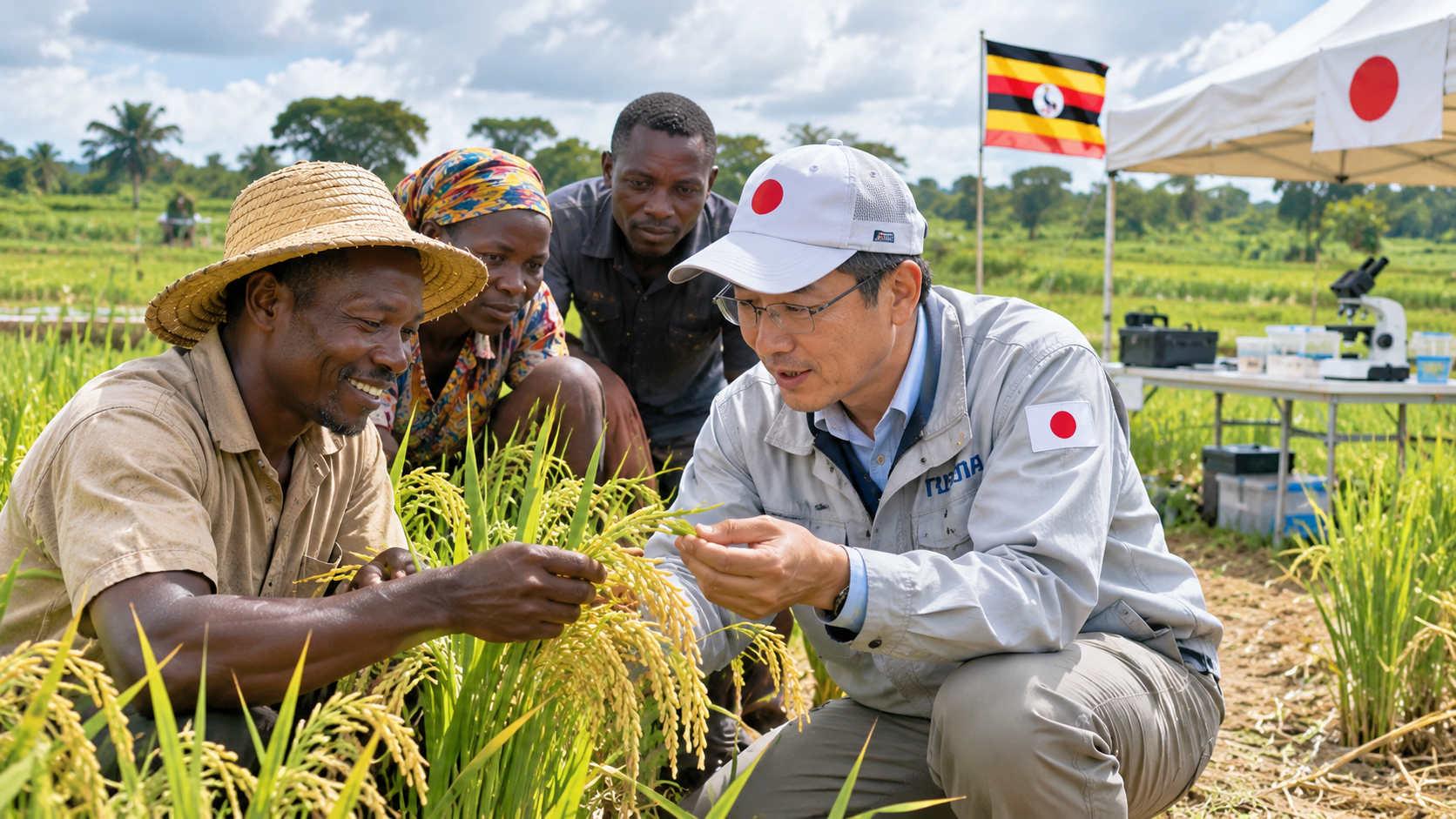
Lira District farmers in northern Uganda are participating in Japan-supported rice trials. Notably, these trials aim to improve crop yields, reduce production costs, and boost agricultural productivity. Moreover, the initiative involves testing improved rice varieties and promoting the use of organic compost to enhance soil fertility and support sustainable farming.
In addition, a Japanese agricultural volunteer is working with farmers to identify rice varieties suited to local growing conditions and introduce improved cultivation practices. Furthermore, the trials also seek to address challenges impacting rice production, including water management, pest resistance and declining soil productivity. By identifying more productive and adaptable varieties, the initiative aims to help farmers increase output, improve household incomes and boost their livelihoods. Significantly, this collaboration highlights the role of international agricultural partnerships and technology transfer in supporting Uganda's rice sector. If it turns out successfully, the trials could provide practical lessons for expanding sustainable rice production and boosting food security in the country.
Share this article
Article Info
Read Time
2 min read
Published
6 Nov 2026
Author
Megha Bajaj
Category
Rice News