Top Rice News: Diabetic Basmati, Amazon Carbon Credit Deal, and Thailand Exports
Top rice news today will inform you about 10X basmati rice by GRM overseas, which is suitable for Diabetics, Amazon’s Carbon Credit deal with Indian rice farmers and Pressure on Thailand’s rice exports as global supply rises and prices drop.
GRM Overseas Rolls Out 10X Basmati Rice Suitable For Diabetics
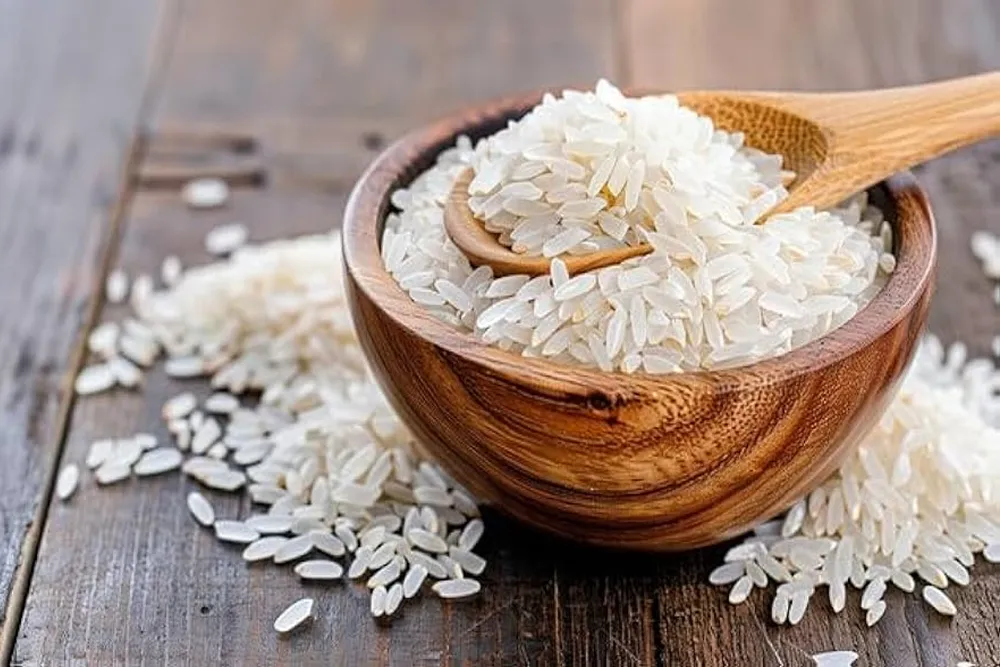
GRM Overseas, one of India's leading basmati rice exporters and a growing consumer staples company, has announced the launch of its 10X Basmati Rice Suitable for Diabetics. Notably, the product will be rolled out across significant International and Domestic markets, marking an important step in GRM's strategy to expand its health-focused product portfolio globally. Eventually, this new launch deals with the rising demand for healthier dietary choices on account of rising diabetes prevalence, urban lifestyles, and health awareness across markets. The 10X Basmati Rice suitable for Diabetics combines the aroma, elongation, and taste of premium basmati rice with carefully processed characteristics aimed at supporting better glycaemic management, making it a suitable choice for people seeking healthier, diabetic-friendly products with low GI and high fibre, without compromising on quality or taste. Moreover, this launch emphasises GRM's long-term vision of evolving from a traditional rice exporter into a well- diversified, consumer-centric food company, offering products that address modern lifestyle needs while maintaining the highest standards of quality and consistency.
Amazon signed a deal of $30m Carbon credit deal with Indian rice farmers
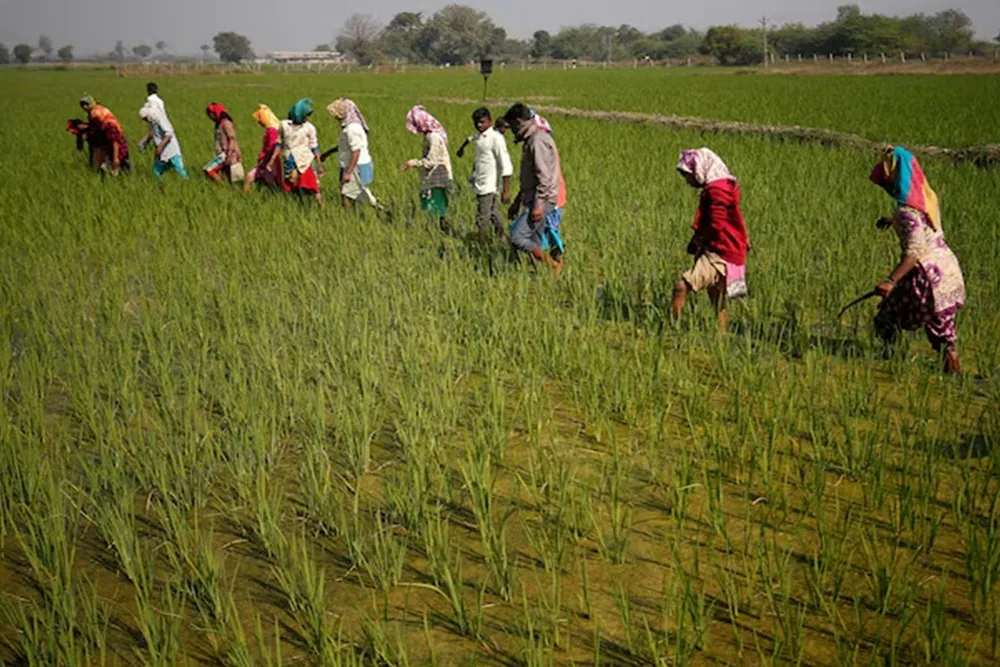
Amazon has inked the deal of $30 million agreement to purchase carbon credits generated by Indian rice farmers. It marks a major agriculture-linked carbon deal in the country and signals a shift in how corporates approach climate action. The initiative simply relates to the farming practice that is Alternate Wetting and Drying. The deal is being executed through the Good Rice Alliance. Earlier, rice paddies remained flooded, creating oxygen-free conditions that produced methane, a greenhouse gas far more potent than carbon dioxide. Under the new method, fields are periodically allowed to dry, disrupting methane formation while maintaining crop production.
Thailand’s Rice Exports Under Pressure as Global Supply Rises and Prices Fall
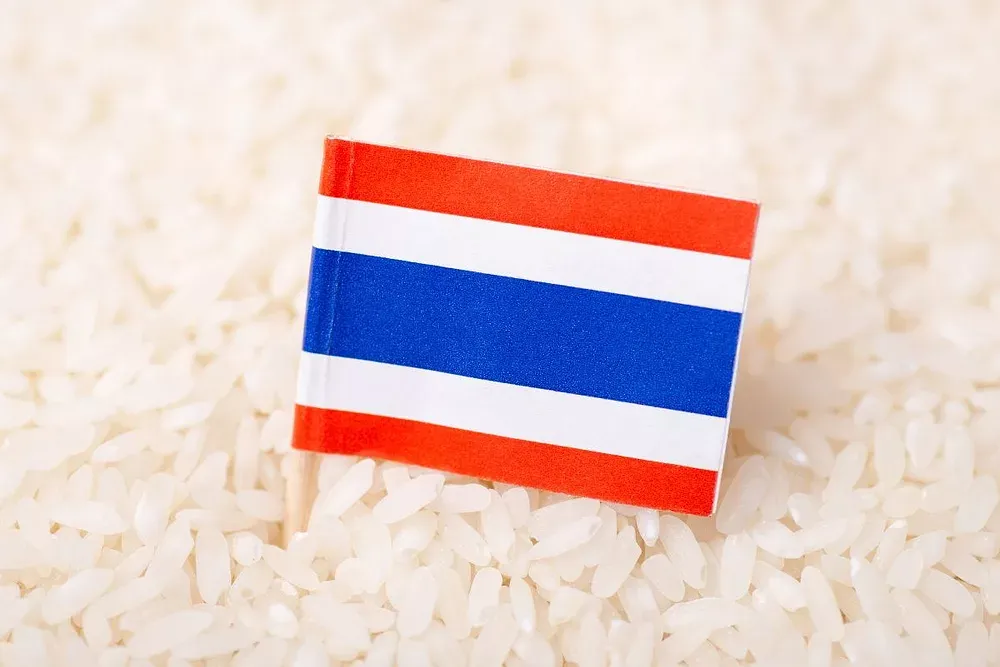
Interestingly, rice is one of the significant agricultural commodities and a key source of income for millions of rural households. Nearly 61 per cent of thai farming households rely on rice cultivation, which supports 20 million people across the country. With over 11.52 million hectares of farmland dedicated to rice cultivation, changes in the global rice market influence farmer income and national agricultural stability. The US Department of Agriculture (USDA) Rice Outlook: April 2026 report stated that global rice production for 2025/26 is projected at 541.4 million metric tonnes (milled basis), a slight increase from earlier forecasts. Notably, Thailand is one of the countries contributing to this rise, supported by favorable weather conditions and a modest expansion in planted area. However, production reductions are expected in countries like the Philippines and Taiwan. Moreover, Global rice consumption is forecast at 540.6 million tonnes, slightly reduced due to lower demand in countries such as Japan, Iraq, and parts of the Middle East and Africa. Despite this adjustment, consumption remains at record levels in major rice-consuming nations, including Thailand, India, Bangladesh, Vietnam, and Nigeria.
Share this article
Article Info
Read Time
3 min read
Published
22 Apr 2026
Author
Megha Bajaj
Category
Rice News