Top Rice News: Bengaluru Prices, Kenya Seeds & Thailand Pollution
Top rice news today highlights three major developments shaping the global rice industry. In Bengaluru, rising rice prices and food inflation are increasing household expenses. Kenya is expanding certified rice seed production to boost domestic rice production and reduce import dependence. At the same time, heavy-metal pollution in Thailand's northern rivers threatens 16,000 hectares of rice farmland, raising concerns about crop safety and agricultural livelihoods.
Rice Prices Surge In Bengaluru, Adding Burden To Households
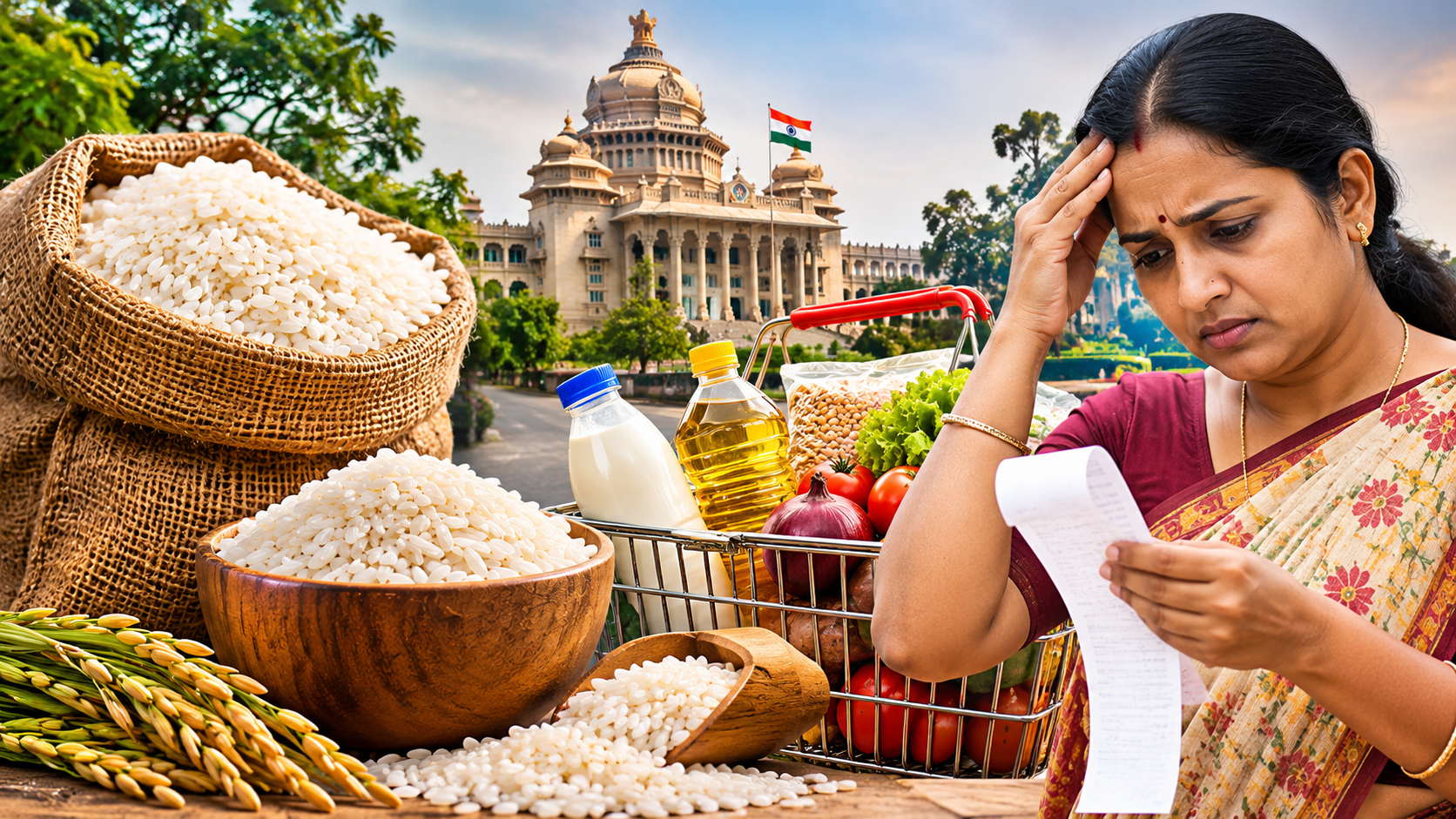
Rising rice prices are adding to the financial burden on households in Bengaluru these days. Karnataka is witnessing a sudden rise in food inflation. As per the latest Consumer Price Index (CPI) data, the state's food inflation reached 12.16% in October 2026, higher than the national average of 8.94%.
Rice has emerged as a major concern for consumers amid rising prices of pulses, cooking oil, milk and vegetables. Particularly, the impact is severe for families that depend on rice as their primary staple. Not only this, some consumers have reported sharp increases in retail rice prices, forcing households to reduce consumption or move to cheaper food alternatives.
The pressure is also visible in household spending. Some families are struggling to maintain their usual food budgets. Moreover, milk prices in Karnataka were increased by ₹8 per litre from November 1, adding to expenses.
The rising cost of essential food commodities highlights affordability concerns for consumers
Will Kenya Succeed In Certified Rice Seed Production?
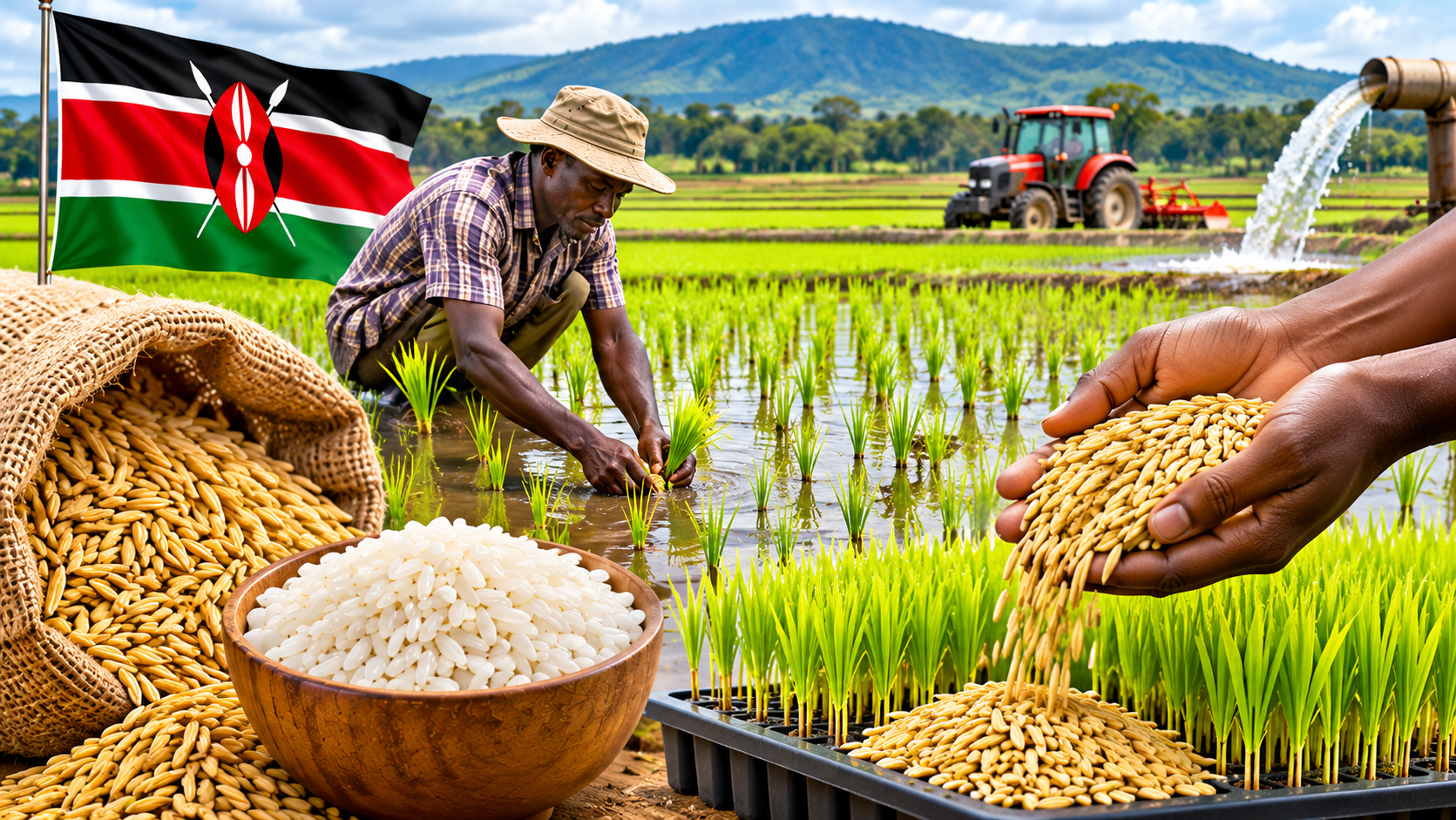
Kenya is escalating efforts to boost its domestic rice industry by expanding certified seed production. It aims to improve crop yields and reduce dependence on rice imports. The initiative, led by the Kenya Agricultural and Livestock Research Organization (KALRO) in partnership with South Korea. It targets an increase in annual certified rice seed production from 152 tonnes to approximately 450 tonnes.
Currently, Kenya imports nearly 70% of its rice requirements, whereas domestic production accounts for only about 25%, leaving the country heavily dependent on overseas suppliers. Notably, the improved seed programme aims to provide farmers with high-quality, disease-free planting material, increasing yields by 15–20% compared with recycled seeds. Besides this, the programme focuses on expanding irrigation infrastructure, improving farming practices and increasing farmers' access to modern cultivation technologies. While imports will remain essential, the initiative could gradually reduce Kenya's import requirements and reshape East Africa's rice trade.
Thailand's River Pollution Threatens 16,000 Hectares of Rice Farmland in the North
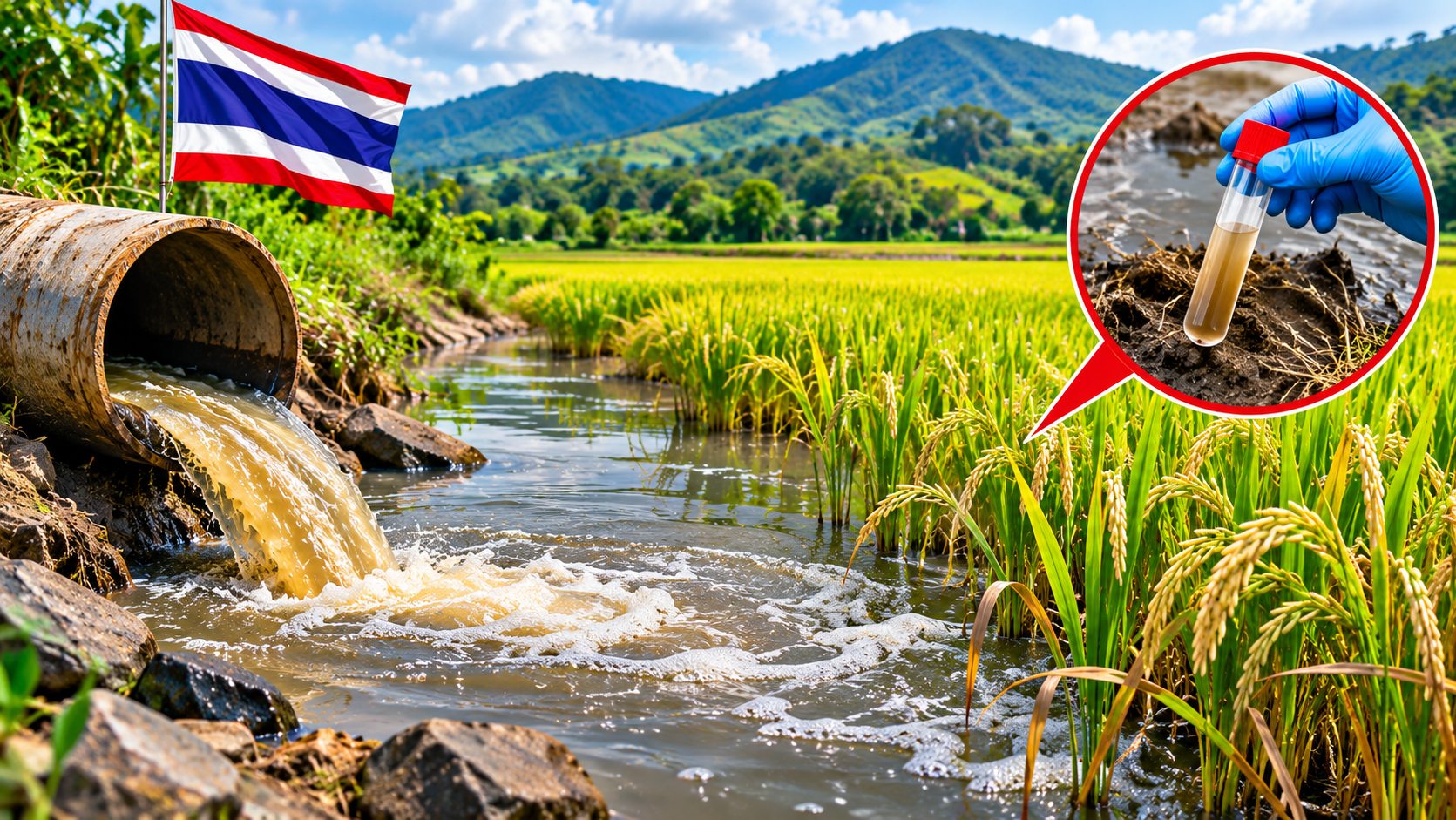
Thailand is facing a serious threat to its rice production. The heavy-metal pollution in northern rivers puts approximately 16,000 hectares of agricultural land at risk. As per media reports, farmland across the Kok, Sai and Ruak river basins could become unsuitable for cultivation if contaminated irrigation water continues to be used.
Moreover, tests conducted during the 2025–26 growing season detected arsenic and lead above permitted safety limits in rice grains and soil samples. No doubt, continued irrigation with polluted water could cause heavy metals to be present in agricultural soil, threatening long-term productivity and food safety.
An academic from Mae Fah Luang University has appealed to the government to provide alternative irrigation supplies, restore contaminated soil and introduce stricter pre-harvest testing. Not only this, he has also called for farmer compensation, contamination risk mapping and better coordination among government agencies. The issue raises concerns related to Thailand's rice production, agricultural livelihoods, and consumer confidence.
Share this article
Article Info
Read Time
3 min read
Published
20 Nov 2026
Author
Megha Bajaj
Category
Rice News