Vietnamese Rice Exports Resume, Experts Call for Sector Restructuring: Today's Top Rice News
Vietnamese Rice Exports Resume, Experts Call for Sector Restructuring: Today's Top Rice News
By Megh Bajaj
Vietnamese Rice Exports to Philipinnes continues after four months
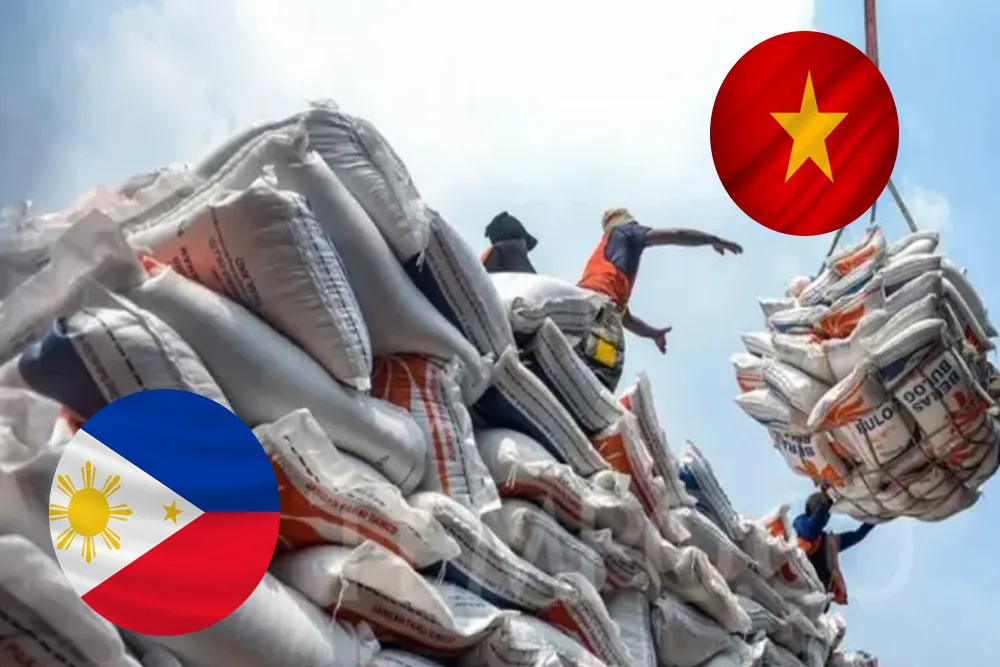
The Philippines is one of the major rice-importing countries which temporarily halted rice imports on September 1, 2025. The reason behind this halt is nothing but to stabilise farmgate prices for local rice farmers. However, the country reopened its rice import market and allowed it to resume. As per recent updates, the Vietnamese Ministry of Industry and Trade reported that the Philippines is Vietnam’s largest rice export market, accounting for nearly 40 per cent of total exports in 2025. Moreover, the Ministry of Agriculture and Environment on January 30 stated that the Philippines reopened rice imports following a four-month suspension from September through December 2025. The country will resume imposing a 15 per cent import tariff, with a proposed increase to 20 per cent currently under review. Philippines plans to import approx. 3.6 million tons of rice in 2026, with Vietnamese rice potentially accounting for 75-80 per cent, or 2.7 -2.88 million tons. To regulate import volumes, shipments must comply with quarantine and phytosanitary licensing requirements, reach ports within 60 days, and be cleared through 17 designated ports.
Rice Sector Restructuring Needs State- Enterprise- Bank Collaboration: Experts
Experts stressed that restructuring Vietnam’s rice sector requires close collaboration between the government, businesses, and banks to address market volatility and export challenges. Stronger state policies, improved access to credit, and better storage capacity are needed to support enterprises and farmers. The shift toward high-quality and speciality rice, along with expanded government-to-government trade agreements, is seen as key to enhancing the sector’s long-term competitiveness.
Experts Share Market Insights At Rice Milling Tech Training
The Myanmar Rice Federation (MRF), industry experts, resource persons, and guest speakers were invited to the Rice Milling and Production Technology Training to share knowledge regarding domestic and international market conditions alongside their experiences. The training, includes Level 1 (Certificate Level) and Level 2 (Higher Certificate Level), is a collaboration between the Department of Technical and Vocational Education and Training under the Ministry of Science and Technology and the MRF. This marks the first time the course has been opened through a Public-Private Partnership (PPP), with a total of 55 students. Furthermore, MRF mentioned that in addition to the standard curriculum, the programme organised seminar sessions. These featured guest speakers and resource persons discussed essential industry facts, market trends, practical workplace challenges and recommendations. As the theoretical portion of the course nears completion, the MRF confirmed that students will soon begin On-the-Job Training (OJT) at major rice mills to gain practical experience.
Share this article
Article Info
Read Time
3 min read
Published
2 Feb 2026
Author
Megha Bajaj
Category
News