Top Rice News: Iran-Israel Tensions Hit Exporters; India’s Surplus Stocks Raise Policy Concerns
Top Rice News 1: Shares of LT Foods, KRBL, and Kohinoor Foods fall amid the Iran-Israel conflict
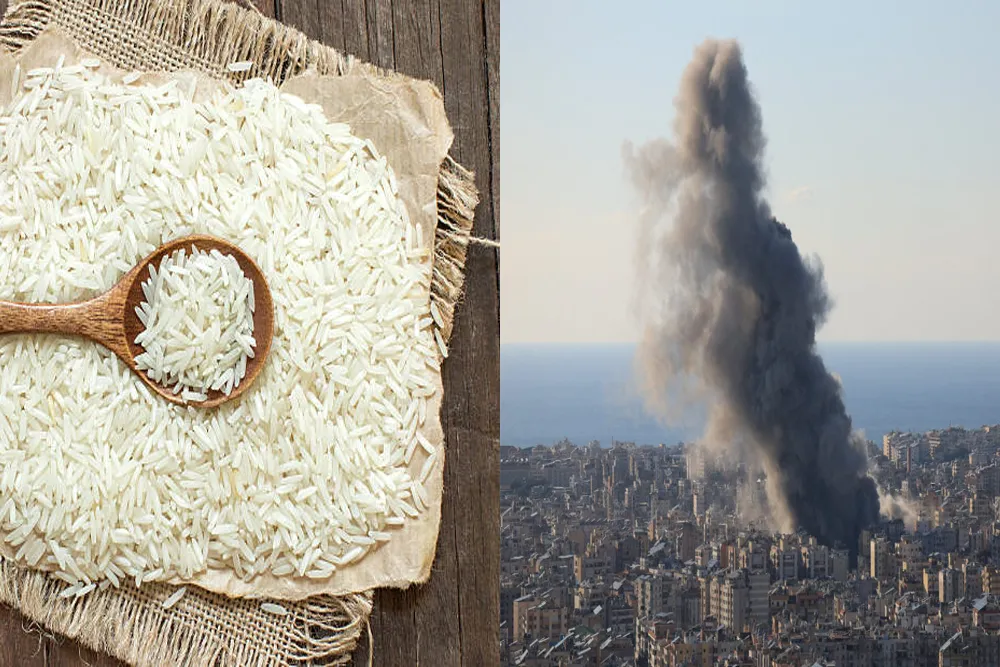
On Monday, March 2, after the United States and Israel launched an attack on Iran, shares of Indian basmati rice exporting companies such as KRBL, Kohinoor Foods and LT Foods fell to 10.5%. Notably, Iran is a significant consumer of Indian Basmati rice. Surprisingly, shares of popular India Gate rice producer KRBL have fallen as much as 5.50% to hit an intraday low of ₹320.95, shares of Dawat rice producer LT Foods fell as much as 10.51% to hit an intraday low of ₹360, and Kohinoor Foods declined as much as 7% to hit an intraday low of ₹23.31. Notably, Iran is a substantial market for Indian basmati rice, importing approximately 1 million tonnes in the 2024-25 fiscal year, valued at roughly $698 million to $1.2 billion. Tensions in the Middle East region have increased sharply since Saturday following military strikes involving the United States and Israel against Iran, spiking fears of a broader global conflict. The strikes led to the killing of Iran's Supreme Leader Ayatollah Ali Khamenei, escalating geopolitical tensions and deepening global economic uncertainty. Israel launched a new wave of strikes on Tehran on Sunday, and Iran responded with more missile barrages, a day after the killing of Khamenei pitched the Middle East and the global economy into deepening uncertainty. Apart from these, rice exporters are staring at payment delays and disruptions to shipments headed to Iran following the US and Israeli military strikes on Iran.
Top Rice News 2: Middle-East Conflict Hits India’s Economy, Higher Costs, Trade Disruptions for Oil, Rice, Textiles

The Iran-Israel conflict pushes up the prices for pulses and onions. Not only this, the exports of rice, textiles, and electronics are severely hampered by delays and higher freight costs. Moreover, strained shipping lanes and volatile markets are forcing a rethink of logistics. In addition, essential imports and strategic sectors hang in the balance, with broader economic fallout likely if tensions rise.
Surprisingly, Indian Kitchens may feel the first pinch from rising pulse prices. According to Suresh Agarwal, president of the All India Dal Mill Association, if the war continues beyond a week, the prices of pulses will increase. Furthermore, India’s onion exports to West Asia have turned stagnant after ports shut operations leaving consignments stranded at origin just as overseas Ramadan demand is at peak. Besides this, India’s garment and textile exports are vulnerable to disruptions in the strait of Hormuz. Vessels bound for the US and Europe may now need to take the longer route around cape of Good Hope, adding 20 -25 days to transit. In addition, Fertiliser supplies through the strait of Hormuz may be disrupted, pushing prices higher and raising India’s subsidy bill.
Top Rice News 3: India’s Excess Rice Stocks Spark Debate Over Subsidy-Driven Paddy Expansion
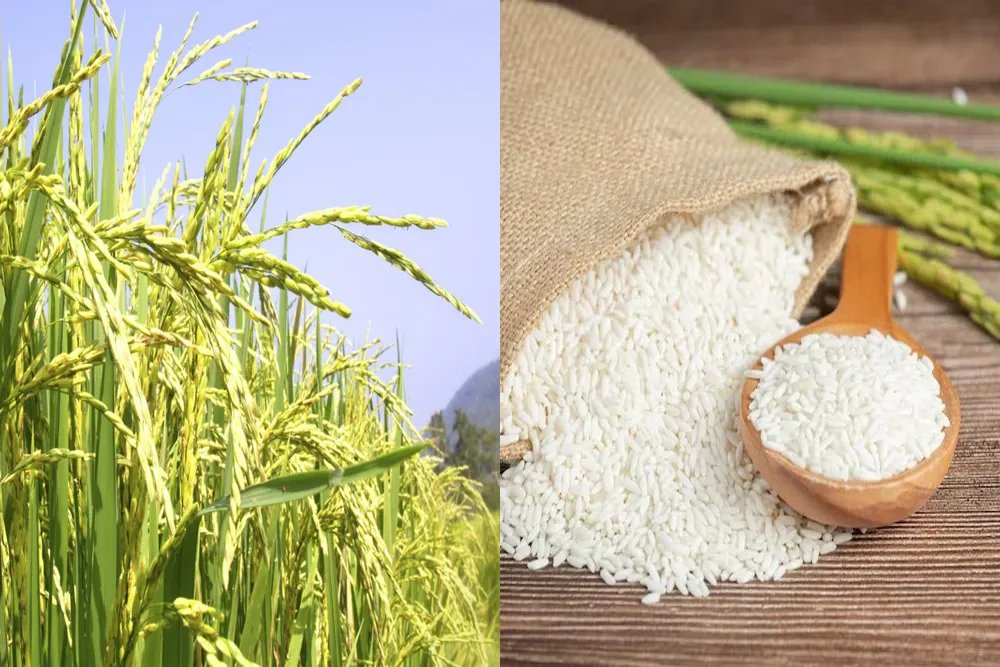
India’s accumulating rice stocks, have substantially surged the buffer requirements. Now, the situation is raising questions related to subsidy-fuelled paddy expansion and its broader implications. In states like Odisha, protests have erupted as farmers are facing delays and challenges in selling paddy at mandated minimum support price (MSP), with some even spending days waiting at mills. Moreover, the state government raised paddy procurement prices to nearly ₹3,100 per quintal by adding input subsidies, yet grievances persist over deductions and logistical bottlenecks. Across India, record procurement levels driven by assured Minimum Support Price (MSP) and additional state bonuses have encouraged farmers to expand paddy cultivation, often at the expense of other crops, leading to surging central stocks that are nearly three times the required level. Kerala and other states have defended bonus policies, arguing that local cropping conditions justify continued support. However, economists and the Union Ministry of Finance are requesting a policy rethink, suggesting incentives be shifted toward pulses, oilseeds, and millets to promote diversification, reduce fiscal strain, and improve competitiveness. The debate outlined how well-intentioned support measures may inadvertently distort cropping patterns, clog storage, and strain both budgets and market dynamics.
Share this article
Article Info
Read Time
1 min read
Published
3 Mar 2026
Author
Megha Bajaj
Category
News