Indonesia Plans Stable Rice Reserves & Its Rice Field Recovery After Floods: Top Rice News Of The Day
Indonesia Plans Stable Rice Reserves & Its Rice Field Recovery After Floods: Top Rice News Of The Day
By Megha Bajaj
Indonesia Plans Stable Rice Reserves Through 2029 As Early Harvest Boosts Output
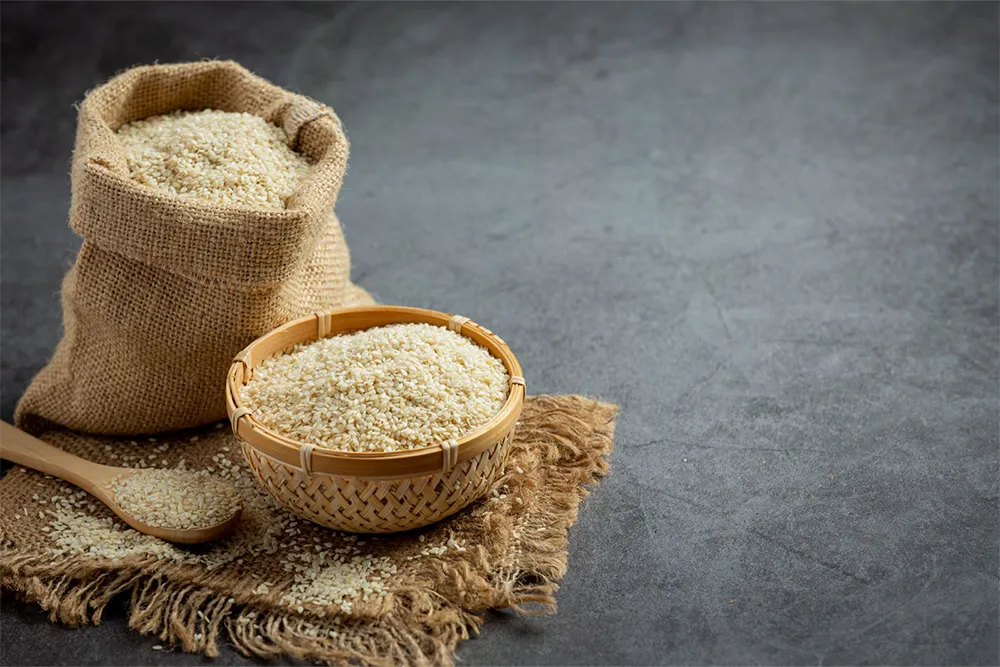
Indonesia has recently decided to halt rice imports from ASEAN countries due to strong domestic production gains and increasing concerns over the reliability of overseas supply chains. Not only this, but the announcements of rice self-sufficiency are floating in the mainstream media, as stated by President Prabowo Subianto. Following this, another major news story from Indonesia has also come to light, stating that the country has planned to maintain rice reserves at around four million tonnes through 2029, supported by an earlier-than-usual harvest and a projected rise in rice production in 2026.
As per officials, the nationwide rice harvest is expected to begin in February. Moreover, an accelerated timeline is forecast to lift national rice output by between five and ten per cent compared to last year. It simply reflects favourable agricultural conditions and enhanced production management. In addition, officials cited that the cooperative programme plays a central role in the country’s food policy, intending to support rural communities, create jobs, and reduce poverty. Apparently, these measures are intended to help balance the inflation and improve farmers’ income.
Rice Prices Drop But Corn Surges, Affecting North Korea’s Poorest Consumers
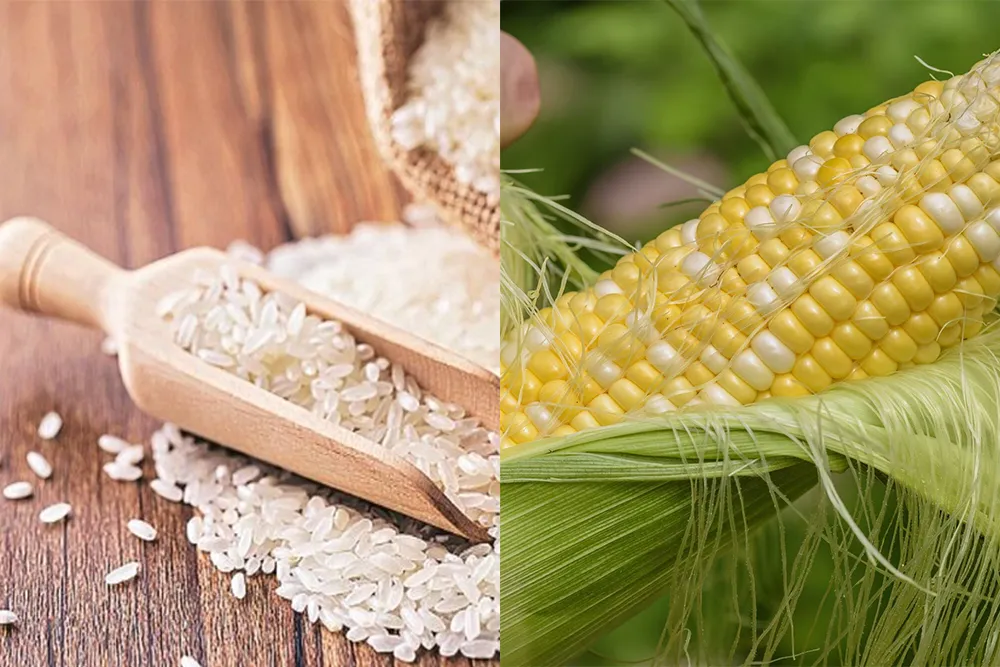
In recent years, North Korea’s food markets have been identified by sharp price fluctuations and persistent shortages. Some Markets surveys carried out by local monitoring groups state that staple grains like rice and corn can rise and fall suddenly due to seasonal harvest, government interventions and cross-border trade dynamics. Amid this, the market rice price in North Korea has been dropping since December. However, the price of corn, which is a staple for low-income earners, has been moving up. As per Daily NK’s regular survey of North Korean market prices, 1 kilogram of rice traded for 18,000 North Korean won in Pyongyang on Jan 4. Interestingly, the recent price was 11.4 %, lower than the one reported in early December. Notably, the reason behind falling prices at North Korean Markets is none other than the arrival of this year’s rice crop at markets in early December. However, corn prices are rising sharply.
Indonesia Begins Large-Scale Rice Field Recovery After Floods
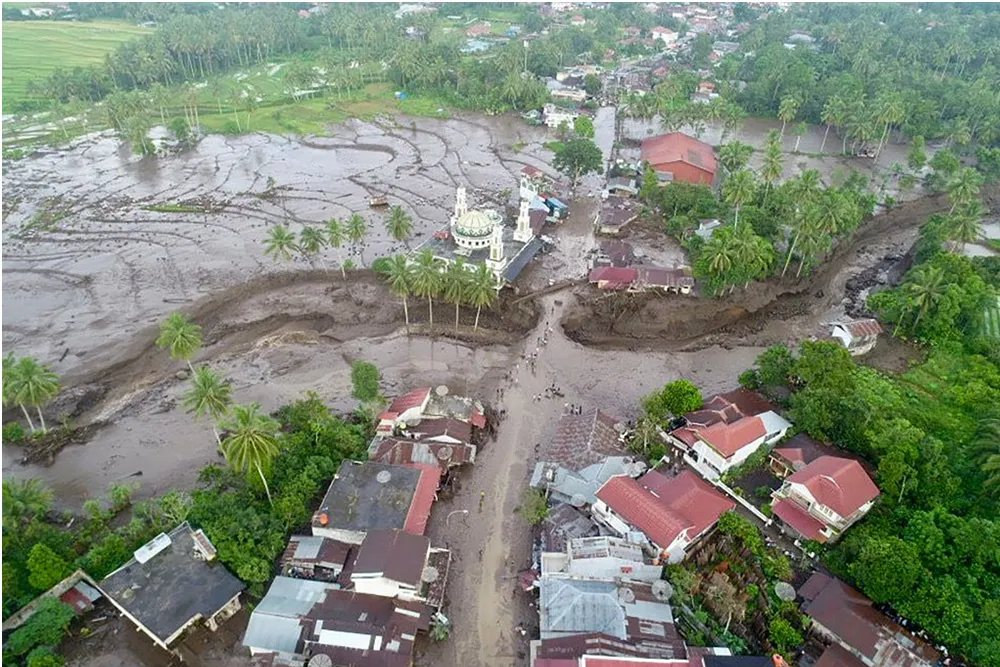
Aceh, North Sumatra and West Sumatra, Indonesia, witnessed heavy rainfall from Tropical Cyclone Senyar triggered devastating Floods and landslides, causing over 1,100 deaths along with displacement and significant damage. Now, Indonesia’s Agriculture Ministry has begun rehabilitating and replanting rice fields damaged by floods and landslides, which intends to restore food output, safeguard farmers' incomes and ensure timely planting. Notably, Agriculture minister Andi Sulaiman stated that during an inspection in Pinto Makmur Village, North Aceh, on Thursday. Moreover, he added that the government had entered a rehabilitation phase covering rice fields, irrigation systems, and other facilities, along with work focused on lightly to severely damaged land to maximise recovery efficiency. Additionally, the rehabilitation is being implemented through labour-intensive programs that directly involve landowners and land residents, along with daily wages paid by the Central government to create temporary rural employment.
Share this article
Article Info
Read Time
3 min read
Published
16 Jan 2026
Author
Megha Bajaj
Category
News