Rice Farmers Sell Paddy, India Protects Rice in EU FTA: Today’s Top Rice News
Rice Farmers Sell Paddy, India Protects Rice in EU FTA: Today’s Top Rice News
By Megha Bajaj
Rice Farmers Seek To Sell Paddy To Repay Harvesting Costs in Myanmar
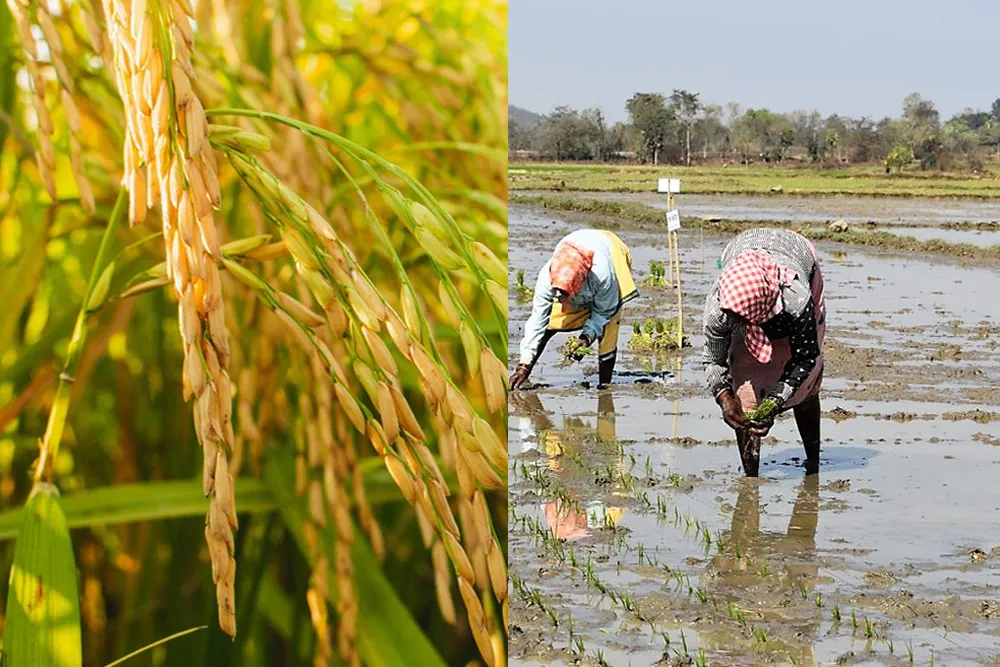
In Myanmar, Rice Farmers in village tracts in the eastern part of Demoso Township, Karenni State, report that they are still facing difficulties repaying harvesting and machine rental fees, as there are no buyers for the paddy they have cultivated. Apparently, they are seeking to sell their rice soon. Commodity prices have surged, making daily living harder for these farmers. Undoubtedly, local rice mills exist, but most are not currently purchasing paddy, and brokers have not shown up to purchase it. To pacify this situation, the Karenni state interim Executive Council plans to initiate buying milled rice in February at set prices to help farmers cover their expenses and prepare for the next planting season.
Pakistan raises market-access concerns with Turkiye, looks for zero tariff on basmati exports
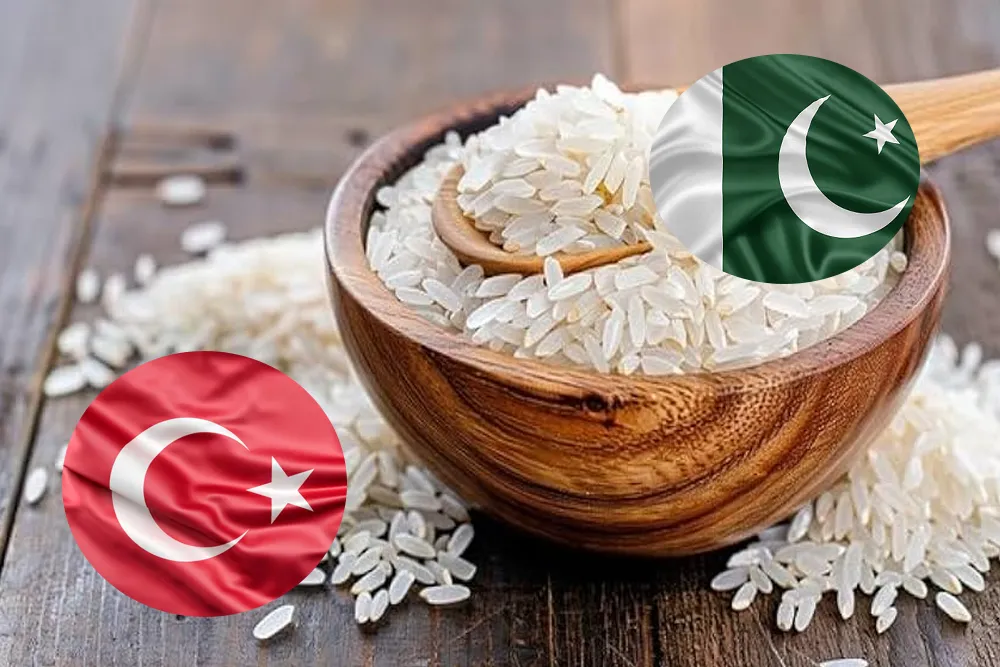
After becoming the world’s third-largest rice exporter, Pakistan is modifying its strategy to improve rice exports. Moreover, the country is doing efforts to boost rice exports by eyeing on other countries like Philipinnes and Turkiye. Recently, it has raised market-access concerns with Turkiye amid tough global competition. During a meeting between Commerce Minister Jam Kamal Khan and Turkish Ambassador Dr Irfan Neziroglu. Pakistan seeks to improve utilisation of the existing 18,000 metric ton rice tariff quota, simpler import procedures and the possibility of zero or reduced tariffs on basmati rice. Pakistan assured sufficient exportable surplus and proposed competitive pricing support to match global rates with a strong harvest this season. Both nations agreed to increase technical skills, boost government-to-government and private-sector trade channels, & increase cooperation to increase rice trade and overall bilateral commerce.
India safeguards Dairy, Rice in the EU Free Trade Agreement
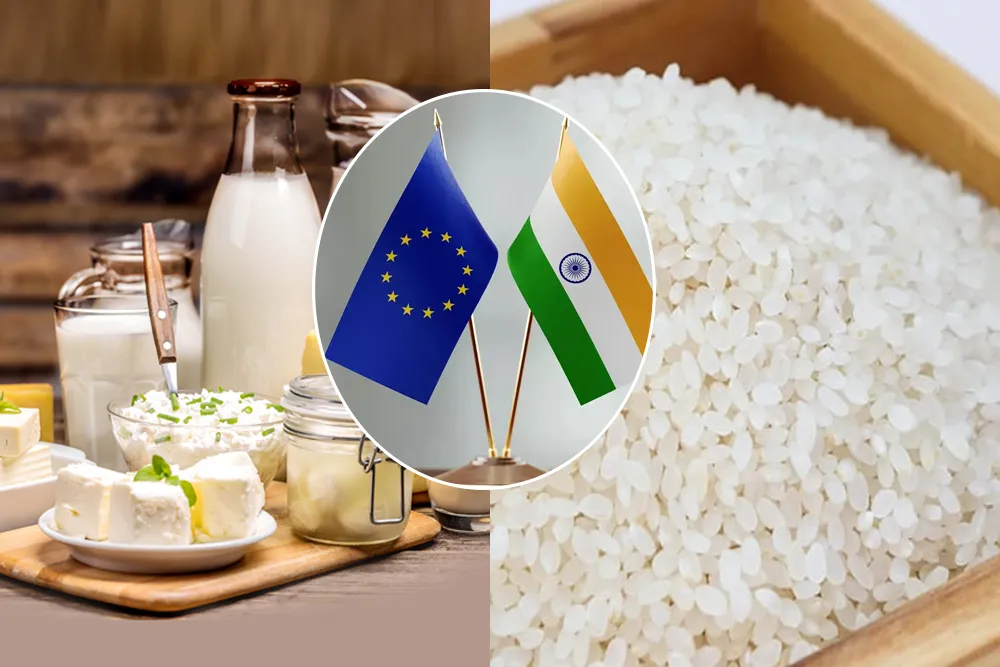
India and the European Union have signed a free trade agreement, hailing it as the mother of all deals. It’s a big milestone for both sides on January 27, indicating a decisive shift in how both sides approach economic partnerships in an increasingly fragmented global trade environment. Amid this, India has ensured that significant sensitive products, including dairy, rice, wheat, pulses, tea and coffee, remain fully safeguarded in its newly negotiated Free Trade Agreement (FTA) with the European Union (EU) by not granting any import duty concessions on these items to safeguard farmers’ livelihoods and domestic markets. In addition, sensitive sectors such as beef and poultry, fish and seafood, maize and edible oils are also excluded from dairy cuts. The deal, whose negotiations were recently concluded, will likely be signed and implemented later this year and still provides preferential access for various Indian agricultural exports such as tea, coffee, spices and table grapes into EU markets.
Rangpur Farmers Busy With Boro Rice Planting Amid Enhanced Weather
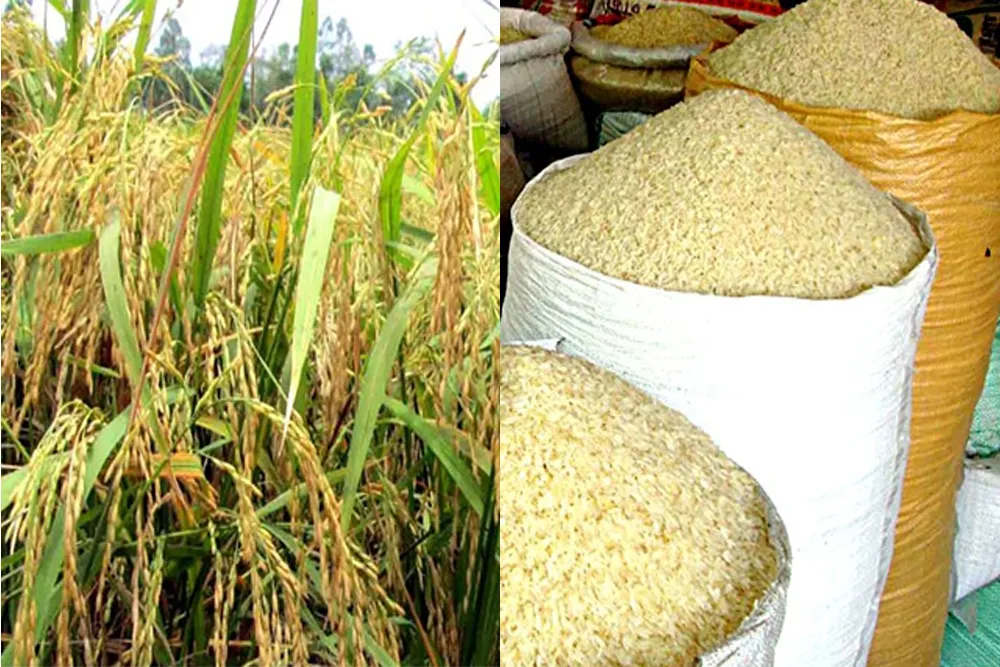
Farmers in the Rangpur region in Bangladesh are actively planting Boro rice seedlings with increasing momentum following enhanced weather conditions, Officials of the department of agricultural extension stated the interim government has taken sufficient steps to assist the farmers and make the intensive Boro rice cultivation programme successful and surge rice production in the current Rabi season. Moreover, the DAE and other agriculture-related departments, organisations and institutions are providing the latest technologies to farmers to increase rice production at reduced cost by adapting to the adverse impact of climate change for boosting food security. In addition, enthusiastic farmers have already prepared Boro rice seedbeds on 27, 713 hectares of land, exceeding the fixed target of preparing the same on 23, 175 hectares by 4,538 hectares of land or 19.58 per cent in the region during the current 2025-2026 Rabi season. At the same time, transplantation of the Boro rice seedling is nearing completion on the low-lying lands, bils and riverine areas as harvest of the crop will be completed there by May next rainy season. The department has set a record target of producing 23,08,715 tonnes of clean Boro rice from 5,09,094 hectares of land for the Rangpur agricultural region this season. Furthermore, enthusiastic farmers are showing more interest in applying organic fertilisers and balanced fertilisers to their Boro rice crop fields more and more to get better yield and hygienic rice production this season.
Share this article
Article Info
Read Time
4 min read
Published
31 Jan 2026
Author
Megha Bajaj
Category
News